
Introduction
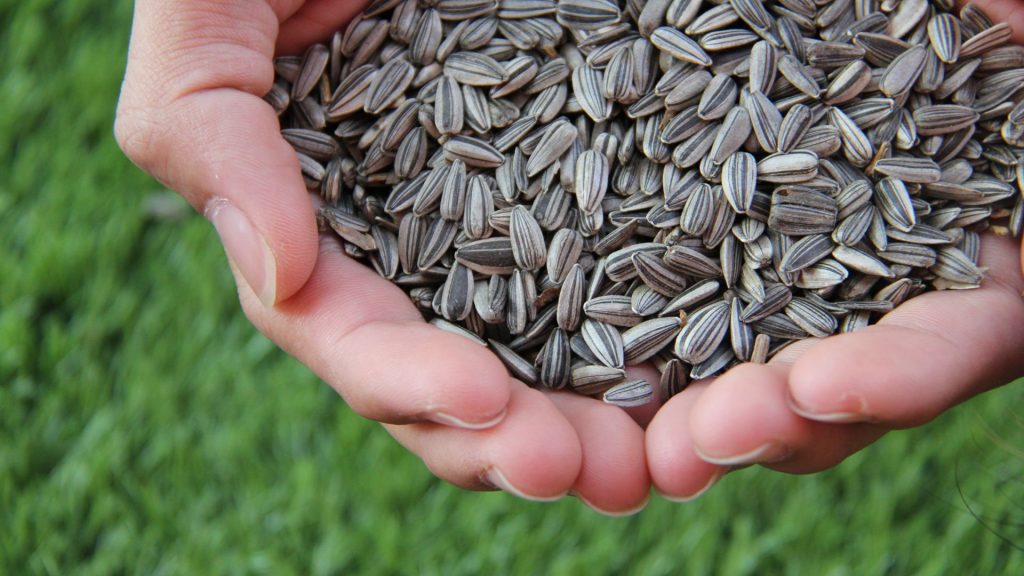
High quality sunflower seeds, Helianthus annuus, represent a critical input for the edible oil, confectionery, and animal feed industries. This technical guide details the agronomic, biochemical, and processing considerations for sunflower seeds destined for industrial use. Sunflower seeds are not simply a commodity; variations in oil content, fatty acid profile, protein composition, and levels of contaminants directly impact downstream processing efficiency and final product quality. This document outlines the key factors influencing seed quality, from genetic selection and cultivation practices to post-harvest handling and storage, providing a comprehensive overview for procurement managers, processing engineers, and quality control specialists. The industry faces significant challenges in maintaining consistent quality due to climatic variations, pest pressures, and evolving consumer demands for specific oil profiles (e.g., high oleic acid content). Understanding these factors and the associated analytical methods is crucial for mitigating risk and optimizing supply chain performance.
Material Science & Manufacturing
Sunflower seeds are comprised of three primary components: the kernel (approximately 50-60% by weight), the hull (20-30%), and residual moisture (typically 8-12%). The kernel is the source of sunflower oil, a triglyceride mixture with varying proportions of linoleic, oleic, palmitic, and stearic acids. The hull, primarily cellulose and lignin, is a byproduct often used for fuel or animal bedding. Seed development proceeds through stages of embryo formation, endosperm accumulation of storage proteins (primarily globulins and albumins), and oil biosynthesis. The physical properties of the seed, including hardness, density, and moisture content, are significantly affected by genetic factors, growing conditions (temperature, water availability, solar radiation), and maturity stage at harvest. Manufacturing begins with seed cleaning to remove foreign material (stalks, leaves, weed seeds). Subsequent dehulling separates the kernel from the hull, often employing impact and friction-based methods. Kernel drying is critical to reduce moisture content to prevent mold growth and maintain oil quality during storage. Finally, oil extraction is achieved via mechanical pressing (expelling) or solvent extraction (typically hexane). Precise control of temperature and pressure during oil extraction is essential to minimize oxidation and preserve the desirable fatty acid profile. Seed quality is heavily impacted by the presence of mycotoxins, particularly aflatoxins, requiring rigorous monitoring and control measures throughout the entire production chain.
Performance & Engineering
The performance of sunflower seeds, particularly concerning oil yield and quality, is governed by a complex interplay of factors. Oil content is typically evaluated via Soxhlet extraction or near-infrared (NIR) spectroscopy. Fatty acid composition is determined by gas chromatography (GC), providing critical data on the levels of linoleic, oleic, palmitic, and stearic acids. High oleic sunflower oil, for example, exhibits superior oxidative stability and is preferred for frying applications. Protein content is quantified using Kjeldahl or Dumas methods, impacting the value of the seed meal for animal feed. Seed hardness, a key parameter influencing dehulling efficiency, is measured using impact testers or compression devices. Environmental resistance focuses on minimizing lipid peroxidation through antioxidant addition or controlled atmosphere storage. Compliance requirements include adherence to maximum permissible levels of mycotoxins (aflatoxins, ochratoxins) as stipulated by regulatory bodies like the European Food Safety Authority (EFSA) and the US Food and Drug Administration (FDA). Functional implementation involves optimizing processing parameters (temperature, pressure, solvent ratio) to maximize oil yield while minimizing degradation. Force analysis during dehulling is important to prevent kernel damage and maximize oil recovery. Furthermore, logistical performance, including bulk density and flowability, impacts storage and transportation costs.
Technical Specifications
| Parameter | Unit | Typical Range (Standard Grade) | High Quality Grade |
|---|---|---|---|
| Oil Content (Dry Basis) | % | 42-48 | 48-52 |
| Kernel Moisture Content | % | 8-10 | 7-9 |
| Free Fatty Acids (as Oleic Acid) | % | ≤1.0 | ≤0.5 |
| Hull Content | % | ≤10 | ≤5 |
| Linoleic Acid Content | % of Total Fatty Acids | 55-70 | 50-65 (High Oleic: <10) |
| Aflatoxin B1 | ppb | ≤20 | ≤5 |
Failure Mode & Maintenance
Sunflower seeds are susceptible to several failure modes impacting their quality and usability. Lipid oxidation, induced by heat, light, and the presence of trace metals, leads to rancidity and reduced oil quality. This manifests as an increase in free fatty acids and the formation of undesirable flavor compounds. Mechanical damage during harvesting, dehulling, or storage can cause kernel cracking, increasing the surface area exposed to oxidation and facilitating microbial contamination. Mold growth, particularly Aspergillus species, results in aflatoxin contamination, rendering the seeds unusable for human consumption and potentially harmful to livestock. Insect infestation can cause direct seed damage and introduce allergenic proteins. Proper maintenance practices are crucial for preventing these failures. This includes controlled storage conditions (temperature ≤15°C, relative humidity ≤65%), regular monitoring for insect activity and mold growth, and proper cleaning and sanitation of processing equipment. Employing effective antioxidant strategies, such as adding tocopherols or packaging under inert gas, can minimize lipid oxidation. Implementing robust quality control measures, including regular aflatoxin testing, is essential for ensuring product safety. Preventative maintenance on dehulling equipment minimizes kernel damage. Long-term storage requires periodic aeration to prevent moisture buildup and condensation.
Industry FAQ
Q: What is the significance of the iodine value in sunflower oil, and how does it relate to oil stability?
A: The iodine value measures the degree of unsaturation in the oil – a higher iodine value indicates a greater number of double bonds in the fatty acid chains. Unsaturated fatty acids are more prone to oxidation, leading to rancidity. Therefore, a lower iodine value generally correlates with greater oil stability. High oleic sunflower oil, with its reduced linoleic acid content, exhibits a significantly lower iodine value and superior oxidative stability compared to traditional sunflower oils.
Q: How do different harvesting methods (direct combine vs. staged harvesting) impact seed quality?
A: Direct combine harvesting is more efficient but can result in higher levels of immature seeds and foreign material, potentially leading to increased moisture content and vulnerability to mold growth. Staged harvesting, where the crop is swathed and allowed to dry before combining, generally yields seeds with lower moisture content and improved quality, but is more labor-intensive and weather-dependent.
Q: What are the implications of varying levels of phospholipids in sunflower oil for downstream refining processes?
A: Phospholipids, or gums, can cause problems during refining, leading to emulsion formation and increased refining costs. Higher phospholipid levels require more intensive degumming processes. Seed genetics and processing conditions (e.g., temperature control during extraction) influence phospholipid content.
Q: What analytical methods are used to determine the presence of pesticide residues in sunflower seeds?
A: Gas chromatography-mass spectrometry (GC-MS) and liquid chromatography-mass spectrometry (LC-MS) are the primary analytical techniques employed to detect and quantify pesticide residues. These methods are highly sensitive and can identify a wide range of pesticide compounds, ensuring compliance with regulatory limits.
Q: How does storage temperature affect the shelf life of sunflower seeds, and what are the recommended storage conditions?
A: Storage temperature is a critical factor influencing seed shelf life. Higher temperatures accelerate lipid oxidation, protein degradation, and microbial growth. Recommended storage conditions involve maintaining a temperature of ≤15°C and a relative humidity of ≤65%. Proper aeration and packaging in moisture-proof containers are also essential for maximizing shelf life.
Conclusion
High-quality sunflower seeds are a complex agricultural product demanding stringent control throughout the entire value chain. Achieving optimal oil yield and quality necessitates a thorough understanding of the interplay between genetics, agronomic practices, processing parameters, and storage conditions. Variations in seed composition directly impact downstream refining processes and the characteristics of the final oil product.
Continued research and development focused on breeding high-oleic varieties, optimizing harvesting and drying techniques, and implementing advanced quality control measures are crucial for meeting evolving consumer demands and maintaining a sustainable supply of high-quality sunflower seeds. The importance of minimizing mycotoxin contamination and maximizing oxidative stability cannot be overstated, requiring a proactive and preventative approach to quality assurance.
