Introduction
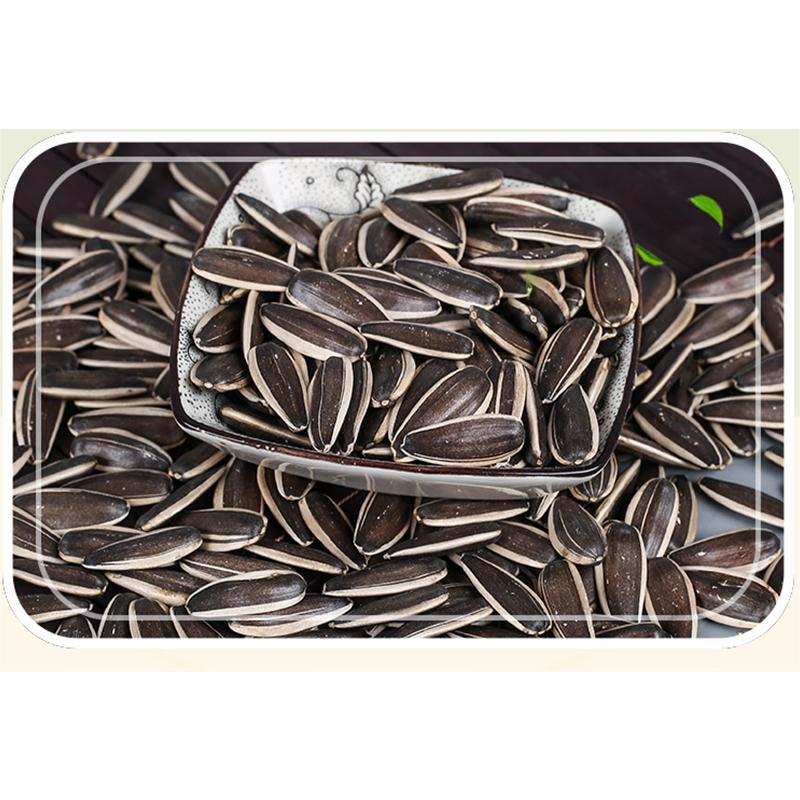
Sunflower seeds ( Helianthus annuus) represent a significant agricultural commodity, positioned within the oilseed and edible seed industries. Their quality directly impacts downstream processing for oil extraction, confectionary applications, and animal feed. This guide details the critical factors governing the procurement of high-quality sunflower seeds, emphasizing biochemical composition, physical characteristics, and industry best practices to mitigate risk and ensure optimal performance in intended applications. Core performance indicators include oil content, protein levels, moisture content, hull percentage, and the presence of extraneous matter. The industry faces challenges relating to consistent genetic purity, mycotoxin contamination, and maintaining optimal storage conditions to preserve seed viability and nutritional value. Procurement managers must understand these nuances to secure a reliable supply chain.
Material Science & Manufacturing
Sunflower seeds are comprised of a complex matrix of lipids (primarily linoleic and oleic acids), proteins, carbohydrates, and fiber, encased within a hull (pericarp). Seed quality begins with genetics, influencing oil composition and yield. Cultivar selection is paramount, focusing on traits like high oleic content (for improved oxidative stability) and disease resistance. Manufacturing – encompassing planting, harvesting, drying, and processing – critically affects seed quality. Harvesting at optimal maturity (approximately 9-12% moisture content) is crucial to minimize shattering and mycotoxin development (primarily aflatoxins). Drying utilizes forced-air systems, carefully controlled to avoid thermal damage to proteins and lipids. Seed cleaning removes debris, broken seeds, and weed seeds, employing sieves, aspirators, and gravity separators. Hull percentage, determined by sieve analysis, impacts oil extraction efficiency. Chemical compatibility considerations include pesticide residue levels, which must adhere to stringent regulatory limits (see Standards & Regulations). The physical properties of the seed—size, shape, density—affect sorting efficiency and downstream processing parameters. Seed coating materials (e.g., polymers) can enhance handling characteristics and protect against fungal growth during storage, but compatibility with food-grade standards is essential.
Performance & Engineering
The performance of sunflower seeds is intricately linked to their biochemical composition and physical integrity. Oil content, typically ranging from 42-58%, dictates the yield of oil extraction processes. Oil quality, characterized by fatty acid profile (oleic/linoleic ratio), iodine value, and peroxide value, impacts the suitability for various applications (edible oil, biodiesel). Protein content (18-25%) affects the nutritional value for animal feed and potential for protein isolate production. Moisture content is a critical parameter; exceeding 8% significantly increases the risk of fungal growth and aflatoxin contamination. Mechanical strength – specifically, hull resistance to cracking during processing – is vital for efficient dehulling. Force analysis during dehulling indicates optimal equipment settings to minimize seed damage and maximize oil recovery. Environmental resistance relates to seed viability under varying storage temperatures and humidity levels. Packaging materials play a role in maintaining seed quality, requiring barrier properties against moisture and oxygen. Compliance requirements include adherence to food safety regulations (e.g., HACCP, GMP) and pesticide residue limits established by regulatory bodies. Germination rate, a key indicator of seed viability, is essential for seeds intended for replanting.
Technical Specifications
| Parameter | Unit | Typical Range (High Quality Seeds) | Testing Method |
|---|---|---|---|
| Oil Content (Dry Basis) | % | 48 – 58 | Soxhlet Extraction (AOCS Official Method) |
| Protein Content (Dry Basis) | % | 18 – 25 | Kjeldahl Method (AOCS Official Method) |
| Moisture Content | % | 6.0 – 8.0 | Oven Drying Method (AACC Method) |
| Hull Percentage | % | 20 – 30 | Sieve Analysis |
| Aflatoxin B1 | ppb | < 20 | ELISA or HPLC |
| Germination Rate | % | > 85 | Standard Germination Test (ISTA Procedure) |
Failure Mode & Maintenance
Failure modes in sunflower seeds primarily relate to degradation of oil quality, loss of viability, and contamination. Oxidative rancidity, driven by lipid peroxidation, is a major concern, exacerbated by high temperatures and exposure to oxygen. Aflatoxin contamination, resulting from fungal growth ( Aspergillus flavus), poses a significant health hazard. Mechanical damage during harvesting and processing can lead to broken seeds, increasing susceptibility to mold growth and reducing oil yield. Delamination – separation of the hull from the kernel – impacts dehulling efficiency. Fatigue cracking, though less common, can occur during prolonged storage due to temperature fluctuations. Maintenance strategies include proper drying and storage conditions (low temperature, low humidity), effective pest control, and rigorous quality control testing for aflatoxins and oil quality parameters. Regular inspection for signs of mold growth or insect infestation is critical. Implementation of a robust first-in, first-out (FIFO) inventory management system minimizes storage duration and reduces the risk of degradation. Periodic oil quality analysis, including peroxide value and acid value measurements, provides an early warning of oxidative deterioration.
Industry FAQ
Q: What is the significance of the oleic/linoleic acid ratio in sunflower oil, and how does it impact seed procurement decisions?
A: The oleic/linoleic acid ratio is a critical quality parameter. High-oleic sunflower oil (HO sunflower oil) exhibits superior oxidative stability due to the monounsaturated nature of oleic acid. This translates to a longer shelf life and reduced risk of rancidity. Procurement managers should prioritize seeds with a high oleic content (>70%) for applications requiring extended shelf stability or high-temperature processing. Lower ratios necessitate the addition of antioxidants and may limit application suitability.
Q: How can we reliably assess the risk of aflatoxin contamination in sunflower seed shipments?
A: Reliable assessment requires pre-shipment testing using sensitive methods like ELISA (Enzyme-Linked Immunosorbent Assay) or HPLC (High-Performance Liquid Chromatography). Supplier qualification is crucial; vendors should demonstrate a robust quality control system and provide Certificates of Analysis (COAs) documenting aflatoxin levels. Visual inspection for mold growth, although not definitive, can provide an initial indication of potential contamination. Storage conditions at the origin and during transit must also be verified to ensure they minimize the risk of fungal development.
Q: What are the key considerations for determining the acceptable level of foreign material (FM) in sunflower seed lots?
A: The acceptable level of FM (defined as any material other than sunflower kernels) depends on the intended end use. Higher tolerances may be acceptable for animal feed applications, while confectionary or oil extraction for food-grade applications require stricter limits. Specifications should clearly define FM categories (e.g., weed seeds, stems, leaves, stones) and corresponding maximum percentages. Visual inspection and sieve analysis are commonly used for FM assessment.
Q: How does seed moisture content impact long-term storage stability?
A: Seed moisture content is arguably the most critical factor influencing storage stability. High moisture content (>8%) promotes fungal growth and aflatoxin production. It also accelerates lipid oxidation, leading to rancidity. Optimal storage requires moisture content below 8%, ideally 6-7%, achieved through proper drying techniques. Storage facilities must be well-ventilated and protected from moisture ingress. Regular monitoring of moisture content during storage is essential.
Q: What is the role of genetic purity in ensuring consistent seed quality?
A: Genetic purity refers to the absence of off-type seeds (seeds not belonging to the specified cultivar). Maintaining genetic purity is paramount for achieving consistent oil content, fatty acid profiles, and agronomic characteristics. Procurement managers should source seeds from reputable suppliers who employ rigorous seed breeding and quality control programs to ensure genetic integrity. Seed certifications (e.g., registered seed) can provide assurance of genetic purity.
Conclusion
The procurement of high-quality sunflower seeds demands a comprehensive understanding of the interplay between genetic factors, manufacturing processes, and biochemical properties. Rigorous quality control, encompassing moisture content assessment, aflatoxin testing, and oil quality analysis, is essential to mitigate risk and ensure the suitability of seeds for intended applications. Strategic supplier selection, based on demonstrated adherence to industry best practices and compliance with regulatory standards, is a cornerstone of a reliable supply chain.
Looking ahead, advancements in seed breeding techniques, focusing on enhanced oil content, improved disease resistance, and optimized fatty acid profiles, will continue to drive improvements in sunflower seed quality. Implementing blockchain technology for traceability and transparency within the supply chain can further enhance trust and accountability. Continued research into effective aflatoxin mitigation strategies remains a critical priority to safeguard public health and ensure the long-term sustainability of the sunflower seed industry.
