Introduction
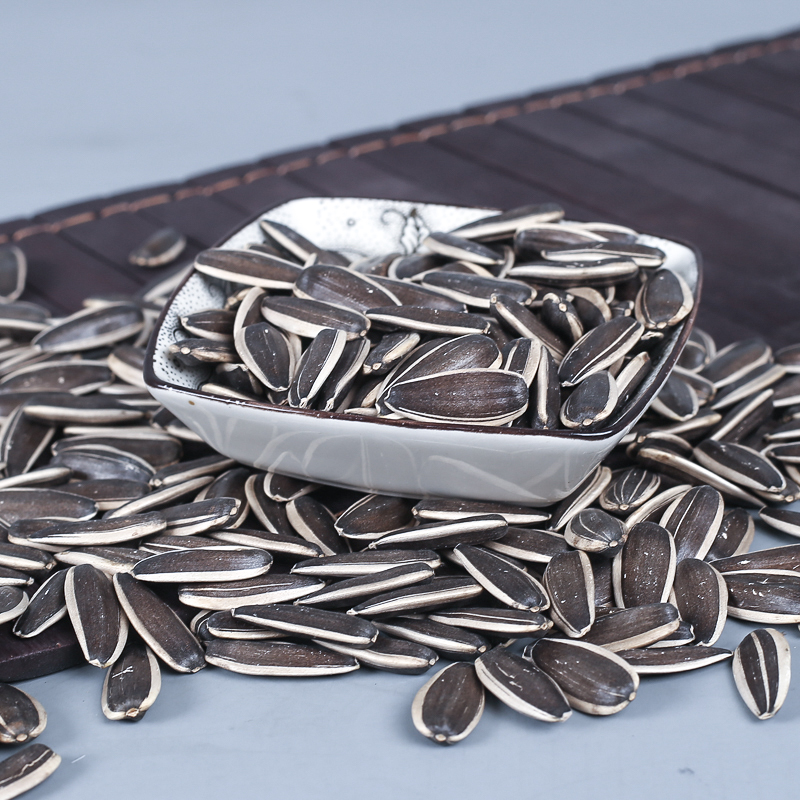
High quality sunflower seeds ( Helianthus annuus) represent a critical input in the edible oil, confectionary, and birdseed industries. Their technical position within the agricultural supply chain is as a primary processed product, bridging the gap between agricultural cultivation and downstream manufacturing. Core performance characteristics are defined by oil content, protein levels, hull percentage, and germination rate – all of which directly impact processing efficiency and end-product quality. Seed quality significantly influences oil yield, flavor profile, and the nutritional value of derived products. The industry faces consistent challenges in maintaining consistent seed quality due to variations in growing conditions, pest pressures, and post-harvest handling. Therefore, a thorough understanding of seed composition, quality control parameters, and storage protocols is essential for ensuring economic viability and consumer satisfaction. These seeds are not simply a commodity; they are a complex biological material requiring precise characterization and management.
Material Science & Manufacturing
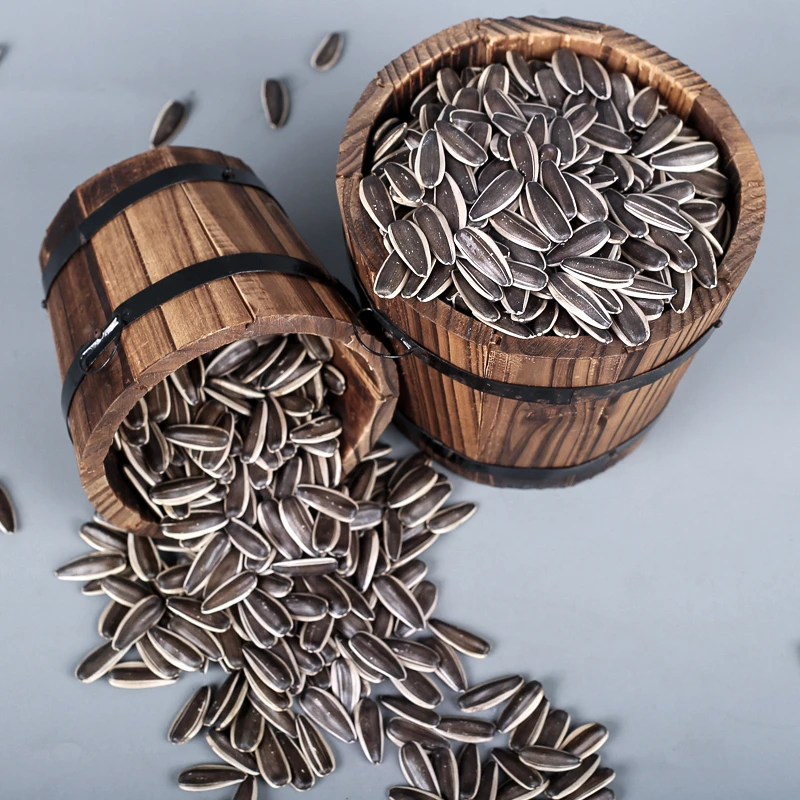
Sunflower seeds are composed primarily of carbohydrate, protein, lipid (oil), and fiber, encased within a hull (pericarp). The lipid component, typically 40-60% of seed weight, consists largely of linoleic acid (omega-6) and oleic acid (omega-9) triglycerides. Protein content ranges from 15-25%, with notable amino acids like methionine and tryptophan. Carbohydrates, primarily starch, contribute 10-20% to the seed’s composition. The hull, containing cellulose and lignin, constitutes 20-30% of the seed weight, impacting oil extraction efficiency. Manufacturing begins with harvesting when seed moisture content reaches approximately 10-14%. Drying is crucial to prevent fungal growth and maintain seed viability. Mechanical harvesting employs combines adjusted for minimal seed damage. Post-harvest processing involves cleaning to remove debris (chaff, stems, leaves) using air separation and screening techniques. Seed sizing is performed to ensure uniformity for optimal oil extraction. Dehulling, a critical step for confectionary seeds, is achieved through impact dehullers; parameter control – impact speed, gap width, and feed rate – directly affects hull removal efficiency and kernel damage. Oil extraction is predominantly carried out through mechanical pressing (expelling) or solvent extraction (typically hexane). Solvent extraction yields higher oil recovery but requires stringent solvent removal protocols to meet food safety standards.
Performance & Engineering
The performance of sunflower seeds is fundamentally linked to their physical integrity and biochemical composition. Force analysis during oil pressing focuses on compressive strength of the seed and resistance to deformation. Hull strength dictates the energy required for dehulling, and excessive force leads to kernel fracture, reducing yield and quality. Environmental resistance is primarily concerned with moisture absorption and oxidation. High moisture content promotes fungal growth ( Aspergillus flavus producing aflatoxins) and lipid peroxidation, leading to rancidity. Packaging materials play a critical role in mitigating these effects. Compliance requirements center around food safety regulations (FDA, EFSA), including maximum permissible levels of contaminants (aflatoxins, heavy metals), solvent residues, and pesticide residues. Germination rate, a key performance indicator for seed used in agricultural applications, is assessed through standardized germination tests (ISTA protocols). Functional implementation – specifically, the suitability of the seed for oil extraction versus confectionary use – is determined by hull percentage and kernel size. A low hull percentage and uniform kernel size are preferred for confectionary applications, while higher oil content is paramount for oil production.
Technical Specifications
| Oil Content (%) | Protein Content (%) | Hull Percentage (%) | Germination Rate (%) |
|---|---|---|---|
| 48-58 | 20-28 | 25-35 | 85-95 |
| 40-50 | 18-25 | 30-40 | 75-85 |
| 52-62 | 22-30 | 20-30 | 90-98 |
| 45-55 | 19-27 | 28-38 | 80-90 |
| 50-60 | 21-29 | 22-32 | 88-96 |
| 42-52 | 17-26 | 32-42 | 70-80 |
Failure Mode & Maintenance
Sunflower seeds are susceptible to several failure modes. Lipid Oxidation is a primary concern, leading to rancidity and reduced oil quality. This is accelerated by exposure to oxygen, light, and elevated temperatures. Aflatoxin Contamination by Aspergillus flavus is a serious food safety risk, particularly during prolonged storage in humid conditions. Mechanical Damage during harvesting, dehulling, or handling causes kernel fractures, reducing oil yield and impacting seed viability. Insect Infestation by storage pests (e.g., weevils) leads to seed weight loss and contamination. Moisture Absorption promotes fungal growth and lipid hydrolysis. Maintenance strategies include controlled atmosphere storage (low oxygen, low temperature), the use of appropriate packaging materials (moisture barriers, UV protection), regular monitoring for aflatoxins and insect pests, and proper sanitation practices in storage facilities. Seed treatments with fungicides can help prevent fungal growth during storage. Ensuring adequate ventilation and maintaining low humidity levels are essential for preventing moisture absorption. Implementing a first-in, first-out (FIFO) inventory system minimizes storage time and reduces the risk of degradation.
Industry FAQ
Q: What is the optimal moisture content for long-term sunflower seed storage?
A: The optimal moisture content for long-term storage is below 8%. Maintaining this level significantly inhibits fungal growth and enzymatic activity, preserving oil quality and germination viability. Regularly monitoring moisture levels using calibrated moisture meters is crucial.
Q: How does hull percentage impact the profitability of sunflower seed processing?
A: Higher hull percentage reduces the overall oil yield and increases processing costs associated with dehulling. A lower hull percentage translates to a higher oil-to-seed ratio, improving profitability. Seed varieties with lower hull percentages are generally preferred, particularly for confectionary applications.
Q: What are the key indicators of aflatoxin contamination, and how can it be mitigated?
A: Visible mold growth (typically greenish or yellowish) on the seeds, a musty odor, and elevated aflatoxin levels detected through laboratory analysis (HPLC or ELISA) are key indicators. Mitigation strategies include pre-harvest application of atoxigenic Aspergillus flavus strains, proper drying and storage practices, and strict quality control measures.
Q: What is the significance of linoleic to oleic acid ratio in sunflower oil, and how does it relate to seed quality?
A: The linoleic to oleic acid ratio influences the oil’s oxidative stability and nutritional profile. High-oleic sunflower oil (HO sunflower oil), with a higher oleic acid content, exhibits greater resistance to oxidation and is preferred for applications requiring longer shelf life and improved heat stability. Seed varieties are specifically bred to enhance oleic acid content.
Q: What are the standard methods for assessing sunflower seed germination rate?
A: Germination rate is typically assessed using standardized procedures outlined by the International Seed Testing Association (ISTA). This involves placing a defined number of seeds under controlled conditions (temperature, moisture, light) and counting the number of seeds that germinate within a specified timeframe (usually 7 days).
Conclusion
High quality sunflower seeds represent a complex agricultural product where performance is determined by a confluence of material science, manufacturing processes, and stringent quality control. Maintaining optimal oil content, minimizing hull percentage, and preventing aflatoxin contamination are paramount to achieving economic viability and ensuring food safety. The industry’s ongoing challenges necessitate continuous improvement in breeding programs, harvesting techniques, and storage protocols.
The future of sunflower seed production lies in developing seed varieties with enhanced oil quality (high oleic acid), improved disease resistance, and reduced hull content. Adopting precision agriculture techniques, including sensor-based monitoring of moisture levels and pest pressures, will further optimize yield and quality. Continued adherence to international standards and the implementation of robust quality assurance systems are crucial for maintaining consumer confidence and expanding market opportunities.
