Introduction
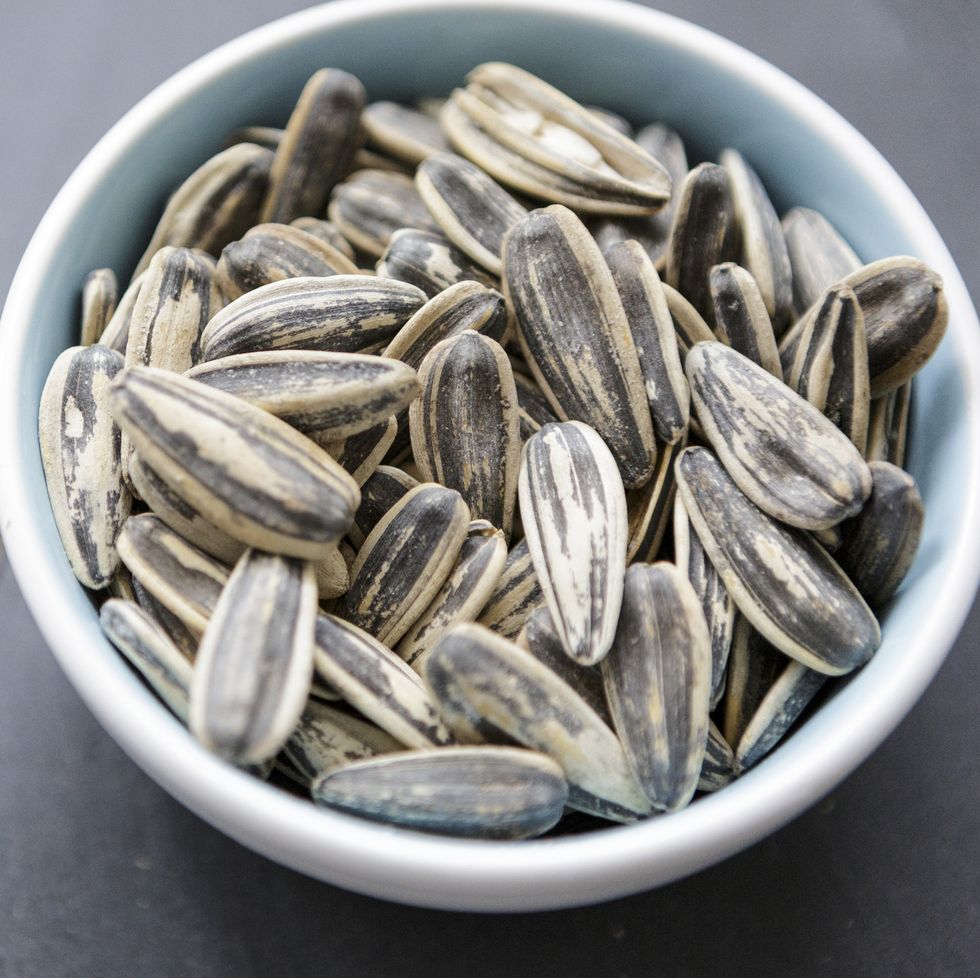
High quality sunflower seeds, original roasted and salted, represent a significant segment within the broader snack food industry, positioned as a convenient, nutrient-rich, and palatable option for consumers. The industrial chain begins with sunflower seed cultivation, encompassing varietal selection for high oil content and kernel size, followed by harvesting, drying, and grading. Subsequent processing involves cleaning, de-hulling, roasting – a critical step impacting flavor and texture – salting, and packaging. Core performance characteristics revolve around consistent kernel size, low moisture content to ensure shelf-stability and optimal crunch, consistent salt adhesion, and minimal levels of undesirable compounds like peroxides which indicate rancidity. This guide provides an in-depth analysis of the material science, manufacturing processes, performance engineering, potential failure modes, and relevant standards governing the production of premium roasted and salted sunflower seeds, addressing critical quality control parameters for B2B stakeholders.
Material Science & Manufacturing
The primary raw material, sunflower seeds ( Helianthus annuus), possess a complex biochemical composition. The kernel consists of approximately 40-50% oil, primarily linoleic acid (a polyunsaturated omega-6 fatty acid) and oleic acid (a monounsaturated omega-9 fatty acid). Protein content ranges from 18-24%, with carbohydrates accounting for approximately 10-15%. The shell (hull) is comprised primarily of cellulose and lignin. Critical physical properties include seed density (approximately 0.9 g/cm³), moisture content (ideally below 10% for storage), and oil absorption capacity. Manufacturing begins with seed cleaning, removing foreign matter like stems, leaves, and debris. De-hulling is typically achieved through mechanical abrasion, ensuring minimal kernel damage. Roasting, typically conducted between 120-180°C for 15-30 minutes, induces Maillard reactions responsible for flavor development and reduces moisture content. Salt adhesion is optimized through controlled application of a saline solution, often containing anti-caking agents like sodium ferrocyanide. Packaging utilizes materials offering moisture and oxygen barriers (see Section 4). Parameter control during roasting – temperature, time, and airflow – is paramount, as over-roasting leads to burnt flavors and nutrient degradation, while under-roasting results in a soft, unappealing texture. The hulling process must balance efficient removal with minimizing kernel breakage to maximize yield and quality.
Performance & Engineering
Performance of roasted sunflower seeds is assessed through several key engineering considerations. Shear force analysis determines the textural characteristics – the ‘crunch’ – crucial for consumer acceptance. This is directly correlated with moisture content and roasting parameters. Environmental resistance focuses on preventing oxidative rancidity. Linoleic acid is highly susceptible to oxidation, leading to off-flavors and reduced nutritional value. Packaging materials (discussed in Section 4) play a critical role in minimizing oxygen exposure. Salt adhesion strength is engineered to ensure consistent seasoning delivery throughout consumption. This is optimized through control of solution concentration, application method (spraying vs. tumbling), and kernel surface morphology. Compliance requirements center around food safety regulations (see Section 7) regarding permissible levels of heavy metals, pesticides, and acrylamide (formed during high-temperature roasting). The engineering of the roasting process involves heat transfer analysis to ensure uniform roasting throughout the batch, preventing localized burning or under-cooking. Force analysis on the de-hulling equipment is vital to minimize kernel damage and optimize throughput. Controlling the water activity (aw) is important for preventing microbial growth.
Technical Specifications
| Parameter | Specification | Test Method | Acceptance Criteria |
|---|---|---|---|
| Moisture Content | ≤ 8.0% | Oven Drying Method (e.g., AOAC 925.10) | Visual inspection and instrument reading |
| Oil Content | 45 – 52% (dry weight basis) | Soxhlet Extraction (e.g., AOAC 920.39) | Laboratory analysis report |
| Kernel Size (Average Diameter) | 10 – 14 mm | Sieve Analysis | Percentage within specified range |
| Salt Content | 1.2 – 1.8% | Argentometric Titration | Laboratory analysis report |
| Peroxide Value (Indicator of Rancidity) | ≤ 5.0 meq O₂/kg | Titration Method (e.g., AOCS Cd 8-53) | Laboratory analysis report |
| Acrylamide Content | ≤ 150 ppb | GC-MS | Laboratory analysis report; complies with regulatory limits |
Failure Mode & Maintenance
Sunflower seeds are susceptible to several failure modes. Rancidity, as previously mentioned, is a primary concern, accelerated by exposure to oxygen, light, and elevated temperatures. Kernel cracking during processing or handling can reduce visual appeal and create dust. Insufficient roasting results in a soft, undesirable texture. Inconsistent salt adhesion leads to uneven flavor distribution. Packaging failure – punctures, tears, or inadequate sealing – compromises product integrity and accelerates spoilage. Failure analysis often involves microscopy to assess kernel damage, peroxide value analysis to quantify rancidity, and sensory evaluation to determine textural and flavor defects. Maintenance of processing equipment – roasters, hullers, graders – is crucial. Regular cleaning prevents buildup of seed debris and reduces the risk of contamination. Calibration of temperature sensors and control systems ensures accurate roasting parameters. Inspection of conveyor belts and rollers prevents damage to kernels. Preventative maintenance schedules, including lubrication of moving parts, extend equipment lifespan and minimize downtime. Proper storage of raw materials and finished products – cool, dry, and dark conditions – is essential for preserving quality.
Industry FAQ
Q: What factors contribute most significantly to the development of off-flavors in roasted sunflower seeds?
A: The primary contributor is lipid oxidation, specifically the rancidity of unsaturated fatty acids (linoleic and oleic acid). This is accelerated by exposure to oxygen, light, heat, and the presence of metal ions. Proper packaging with oxygen barriers and the use of antioxidants can mitigate this. Inadequate roasting can also result in undesirable flavors due to incomplete Maillard reaction development.
Q: How do you ensure consistent salt adhesion across all kernels?
A: Consistent salt adhesion is achieved through precise control of several parameters. These include the concentration of the saline solution, the application method (typically spraying), the temperature of the kernels during salting, and the tumbling speed. We also utilize anti-caking agents in the salt solution to enhance adhesion and prevent clumping.
Q: What are the critical parameters to monitor during the roasting process?
A: The critical parameters are roasting temperature, roasting time, airflow rate, and seed bed depth. Temperature must be carefully controlled to ensure even roasting and prevent burning. Roasting time directly impacts flavor development and moisture content. Airflow facilitates heat transfer and removes moisture. Seed bed depth influences heat penetration and uniformity.
Q: What type of packaging materials are best suited for preserving the quality of roasted and salted sunflower seeds?
A: Multi-layer films offering excellent oxygen and moisture barrier properties are essential. Typically, these include a layer of polyethylene terephthalate (PET) for strength, a layer of aluminum foil for oxygen barrier, and a layer of polyethylene (PE) for sealing. Nitrogen flushing within the package further reduces oxygen content, extending shelf life.
Q: How do you manage acrylamide formation during the roasting process?
A: Acrylamide formation is a concern during high-temperature roasting. We mitigate this by optimizing roasting parameters – minimizing temperature and time – while still achieving desired flavor and texture. We also control the levels of reducing sugars in the raw materials and implement regular testing to ensure compliance with regulatory limits.
Conclusion
The production of high quality roasted and salted sunflower seeds is a complex process demanding meticulous control over material science, manufacturing parameters, and quality assurance procedures. Consistent kernel size, optimized moisture content, and effective prevention of oxidative rancidity are paramount to delivering a product that meets consumer expectations for taste, texture, and shelf-life. The implementation of robust analytical testing – including peroxide value analysis, moisture content determination, and salt content quantification – is essential for maintaining product integrity.
Future advancements in sunflower seed processing may focus on innovative roasting technologies that minimize acrylamide formation while maximizing flavor development, alongside the development of more sustainable and biodegradable packaging materials. Furthermore, advancements in seed breeding to increase oleic acid content would increase oxidative stability and extend shelf life. Continued adherence to rigorous quality control standards and international regulations remains fundamental to the long-term success of this industry segment.
