Introduction
High-quality organic sunflower seeds (Helianthus annuus) represent a critical input for the edible oil, confectionary, and avian feed industries. Positioned as a foundational component within the agricultural supply chain, their value derives from a complex interplay of genetic lineage, agronomic practices, and post-harvest processing. This technical guide provides an in-depth analysis of sunflower seed characteristics, encompassing material science aspects related to kernel composition, manufacturing methodologies impacting seed quality, performance metrics relevant to oil yield and nutritional content, potential failure modes during storage and transport, and relevant industry standards. The primary industry pain points revolve around achieving consistent seed quality, maximizing oil content, mitigating mycotoxin contamination, and ensuring traceability throughout the supply chain. Sunflower seeds, unlike commodity grains, exhibit significant variability based on hybrid selection and environmental factors, demanding rigorous quality control protocols.
Material Science & Manufacturing
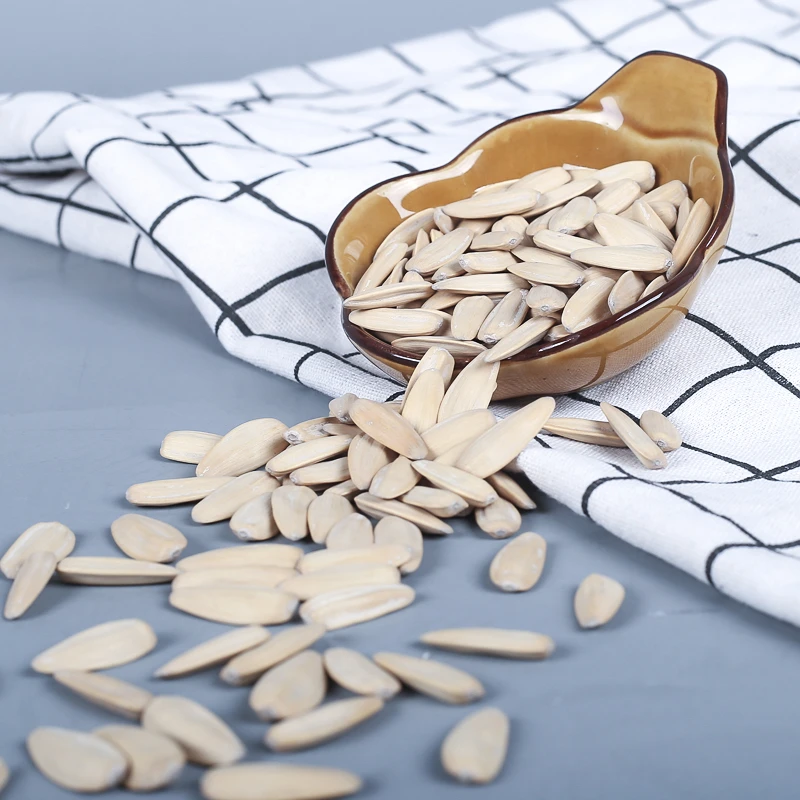
Sunflower seeds are comprised of three primary components: the kernel (cotyledon), the hull (pericarp), and the embryo. The kernel constitutes approximately 65-75% of the seed weight and is the source of oil. Kernel oil content typically ranges from 42-58%, influenced by genetics and growing conditions. The hull, around 20-25%, provides physical protection and contributes to fiber content. The embryo, about 5-10%, is essential for germination. Chemically, the kernel lipids are primarily triglycerides, with linoleic acid (a polyunsaturated omega-6 fatty acid) being the dominant fatty acid. Manufacturing begins with hybrid seed selection based on desired oil content, fatty acid profile, and disease resistance. Planting depth and density are crucial parameters impacting germination rates. Harvesting is timed based on physiological maturity, indicated by a dark coloration of the seed back and a moisture content of approximately 18-20%. Post-harvest processing involves cleaning, drying (to reduce moisture content to 9-10% for storage), dehulling (removing the hull to increase oil yield and improve kernel quality), and grading based on size and density. Parameter control during drying is paramount; excessive temperatures can lead to protein denaturation and reduced oil quality. Dehulling efficiency directly impacts oil yield and kernel integrity. Seed treatment with fungicides is often employed to prevent fungal growth during storage.
Performance & Engineering
Sunflower seed performance is evaluated based on several key engineering parameters. Oil yield, expressed as a percentage of seed weight, is the primary metric. Oil quality, assessed by fatty acid profile (linoleic, oleic, stearic acids) and peroxide value (indicating oxidation), is critical for edible oil applications. Kernel hardness, measured using impact testers, influences dehulling efficiency and seed breakage during processing. Moisture content, monitored using near-infrared spectroscopy, is a crucial indicator of storage stability. Environmental resistance factors include tolerance to drought, heat stress, and fungal pathogens. Compliance requirements include adherence to organic certification standards (USDA Organic, EU Organic) which mandates the absence of synthetic pesticides and fertilizers. The structural integrity of the seed is vital for minimizing damage during handling and transport. Force analysis of the seed under compression reveals its resistance to cracking, a key factor influencing oil extraction efficiency. Furthermore, the seed's response to vibrational stresses during transportation must be considered to prevent kernel damage and maintain seed viability. Proper seed packaging, employing moisture-barrier films, is essential for maintaining seed quality during extended storage.
Technical Specifications
| Parameter | Unit | Typical Range (High Quality Organic) | Test Method |
|---|---|---|---|
| Oil Content | % (Dry Basis) | 48-55 | AOAC Official Method 985.04 |
| Moisture Content | % | 8-10 | AOAC Official Method 925.10 |
| Kernel Hardness | N | 10-20 | ICC 153/1 |
| Protein Content | % (Dry Basis) | 18-24 | Kjeldahl Method (AOAC 978.05) |
| Linoleic Acid Content | % of Total Fatty Acids | 55-70 | Gas Chromatography (AOCS Cd 14-90) |
| Peroxide Value | meq O2/kg | < 5 | AOCS Cd 8-53 |
Failure Mode & Maintenance
Sunflower seeds are susceptible to several failure modes. Mycotoxin contamination (aflatoxins, zearalenone) is a significant concern, particularly during prolonged storage in humid conditions. This results from fungal growth and can render the seeds unfit for consumption. Lipid oxidation, leading to rancidity and reduced oil quality, occurs due to exposure to oxygen, light, and elevated temperatures. Physical damage (cracking, chipping) during handling and processing reduces oil yield and increases the risk of insect infestation. Insect infestation (storage pests) can cause significant seed loss and contamination. Germination failure due to improper storage conditions or seed aging also represents a failure mode. Maintenance strategies include strict moisture control during storage (below 9%), temperature management (below 20°C), regular monitoring for mycotoxins and insect pests, and the use of airtight storage containers. Preventative fungicide treatments can mitigate fungal growth. Proper cleaning and grading protocols minimize physical damage. Seed viability testing should be performed periodically to ensure germination rates are within acceptable limits. Packaging should prioritize moisture barrier properties and UV protection.
Industry FAQ
Q: What are the critical factors differentiating organic sunflower seeds from conventionally grown seeds in terms of seed composition and potential contaminants?
A: Organic sunflower seeds are distinguished by the absence of synthetic pesticides, herbicides, and fertilizers during cultivation. This typically results in slightly lower yields but potentially higher levels of certain beneficial compounds, such as antioxidants. A primary concern with conventional seeds is residue from agrochemicals. Organic certification mandates rigorous testing for prohibited substances. Organic seeds also require strict adherence to traceability protocols to ensure the integrity of the organic supply chain.
Q: How does the hull percentage affect the oil extraction efficiency and the overall quality of the extracted oil?
A: A higher hull percentage reduces the oil content per unit weight of seed, decreasing extraction efficiency. The hull itself does not contribute to oil yield. Furthermore, the presence of hull fragments in the oil can affect its color and clarity, necessitating additional refining steps. Dehulling prior to oil extraction is therefore essential for maximizing oil yield and quality.
Q: What is the acceptable range for peroxide value in organic sunflower oil intended for human consumption, and what factors influence this value during storage?
A: The acceptable range for peroxide value in organic sunflower oil intended for human consumption is generally below 5 meq O2/kg, as stipulated by industry standards. Factors influencing peroxide value during storage include temperature, exposure to oxygen and light, and the presence of trace metals. Storage in cool, dark, and airtight containers is crucial for minimizing oxidation.
Q: Can you elaborate on the importance of linoleic and oleic acid ratios in sunflower oil and their implications for nutritional value and stability?
A: The ratio of linoleic (omega-6) to oleic (omega-9) fatty acids significantly impacts the oil's nutritional profile and stability. High-linoleic sunflower oil is rich in essential fatty acids but is more prone to oxidation. High-oleic sunflower oil, with a lower linoleic acid content, exhibits greater oxidative stability and a longer shelf life. The desired ratio depends on the intended application; high-oleic oil is preferred for frying and high-heat cooking.
Q: What are the standard protocols for detecting and mitigating aflatoxin contamination in organic sunflower seeds, and what regulatory limits are enforced?
A: Aflatoxin contamination is detected using ELISA (Enzyme-Linked Immunosorbent Assay) or HPLC (High-Performance Liquid Chromatography) methods. Mitigation strategies include proper drying, storage in low-humidity environments, and the use of permitted antifungal agents (within organic certification guidelines). Regulatory limits for aflatoxin in sunflower seeds vary by country; however, the European Union generally sets a limit of 2 ppb (parts per billion), and the US FDA limit is also 2 ppb. Seeds exceeding these limits are deemed unfit for human consumption.
Conclusion
The production of high-quality organic sunflower seeds demands meticulous attention to detail across the entire value chain, from hybrid selection and agronomic practices to post-harvest processing and storage. Understanding the material science principles governing seed composition and the engineering parameters impacting oil yield and quality is paramount for achieving consistent performance. The challenges of maintaining seed integrity, preventing mycotoxin contamination, and adhering to stringent organic certification standards necessitate robust quality control protocols and proactive maintenance strategies.
Future advancements in sunflower seed technology will likely focus on developing hybrids with improved oil content, enhanced disease resistance, and optimized fatty acid profiles. Furthermore, the implementation of precision agriculture techniques and real-time monitoring systems will enable more efficient resource utilization and minimize crop losses. Continued research into novel storage methods and natural antifungal agents will be crucial for mitigating the risk of mycotoxin contamination and ensuring the long-term sustainability of the organic sunflower seed industry.
