Introduction
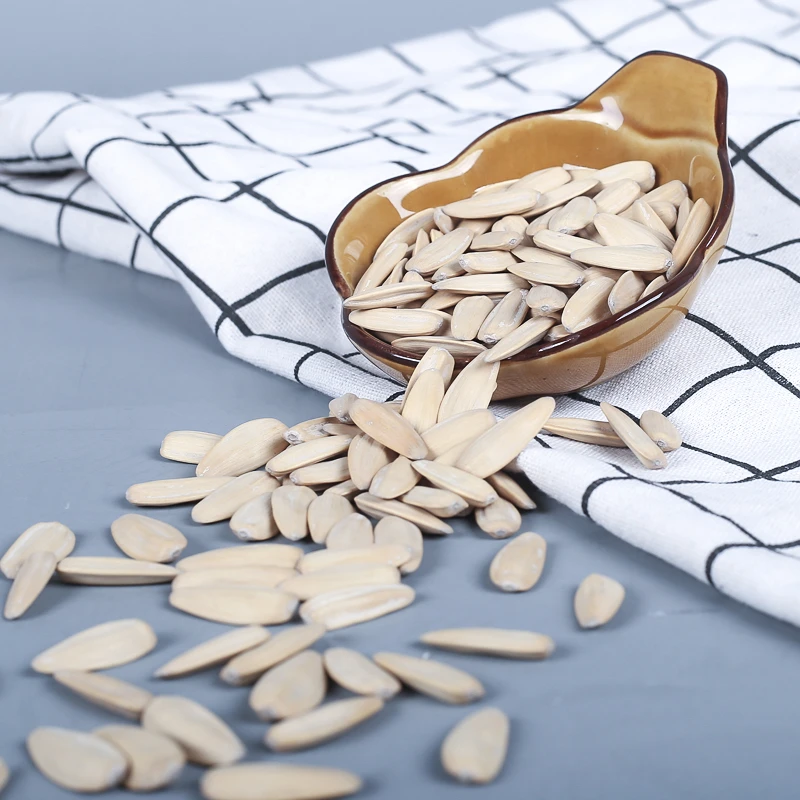
High quality sunflower seeds, derived from Helianthus annuus, represent a significant agricultural commodity with applications spanning human nutrition, animal feed, and oil production. Their technical position within the food and agricultural supply chain is characterized by stringent requirements for genetic purity, oil content, protein profile, and freedom from contaminants. The core performance criteria governing their value are directly linked to these quantifiable attributes, influencing processing efficiency and the quality of derived products. This guide provides a detailed technical overview of sunflower seed quality, covering material science, manufacturing processes, performance parameters, failure modes, and relevant industry standards. A key industry pain point is maintaining consistent seed quality across varying environmental conditions and mitigating the impact of mycotoxin contamination, which necessitates robust quality control measures throughout the entire production cycle. Further challenges include optimizing oil yield while preserving essential fatty acids and maintaining genetic stability for consistent agronomic performance.
Material Science & Manufacturing
Sunflower seeds are biologically complex structures comprised of several key components: the hull (pericarp), kernel (cotyledon), and embryo. The hull, primarily cellulose and lignin, provides physical protection. The kernel is rich in oil (40-50% by weight), protein (18-24%), and fiber. The oil composition is dominated by linoleic acid (typically 60-70%) and oleic acid (10-30%), with minor contributions from palmitic and stearic acids. Manufacturing begins with hybrid seed selection focused on high yield, disease resistance, and desirable oil profiles. Cultivation practices (soil composition, irrigation, fertilization) significantly impact seed quality. Harvesting timing is critical; premature harvest results in low oil content, while delayed harvest increases susceptibility to bird damage and pre-harvest sprouting. Post-harvest processing involves cleaning, drying (to a moisture content of 9-10%), dehulling (optional, depending on end-use), and grading. Drying is crucial to prevent fungal growth and mycotoxin production. Dehulling improves oil yield and kernel appearance but can also reduce nutritional value. Key parameter control during processing includes maintaining optimal drying temperatures (below 45°C to preserve oil quality) and minimizing mechanical damage to the kernel which can lead to lipid oxidation. Seed coating with polymers containing fungicides and insecticides is also a common practice to protect seeds during storage and germination.
Performance & Engineering
The performance of sunflower seeds is assessed through a combination of physical, chemical, and biological analyses. Physical properties include kernel size, shape, and weight, which influence planting uniformity and processing efficiency. Chemical analyses focus on oil content (determined via Soxhlet extraction or NMR), oil quality (assessed by fatty acid profile using gas chromatography), protein content (Kjeldahl method), and moisture content (oven drying). Biological performance is evaluated through germination rate and seedling vigor tests. Environmental resistance is a critical performance factor; seeds must withstand varying temperatures, humidity levels, and exposure to pathogens. Compliance requirements include adherence to regulations regarding genetically modified organisms (GMOs) and maximum residue levels (MRLs) for pesticides and herbicides. Functional implementation relies on consistent seed quality for optimal oil extraction efficiency, protein isolate production, and livestock feed formulation. Force analysis during shelling and processing needs to consider kernel strength and hull fracture resistance to minimize damage. Furthermore, the stability of the oil during storage is a critical engineering consideration, dictating the need for antioxidants and appropriate packaging materials. Seed hardness also influences milling and cracking processes, directly affecting oil yield and throughput.
Technical Specifications
| Parameter | Unit | Standard Grade | Premium Grade |
|---|---|---|---|
| Oil Content (Dry Basis) | % | 40-45 | 46-52 |
| Protein Content (Dry Basis) | % | 18-20 | 21-24 |
| Moisture Content | % | ≤9.0 | ≤8.0 |
| Kernel Soundness | % | ≥95 | ≥98 |
| Hull Content | % | ≤8 | ≤5 |
| Foreign Matter | % | ≤1 | ≤0.5 |
Failure Mode & Maintenance
Sunflower seeds are susceptible to several failure modes. Biological degradation, primarily fungal growth (e.g., Aspergillus and Fusarium), leading to mycotoxin contamination (aflatoxins, fumonisins), is a major concern. This is exacerbated by improper drying and storage conditions. Physical damage during harvesting and processing (cracking, chipping) reduces seed quality and oil yield. Lipid oxidation, triggered by exposure to oxygen, light, and heat, causes rancidity and reduces nutritional value. Genetic deterioration during prolonged storage can lead to reduced germination rates and seedling vigor. Insect infestation can cause significant losses. Maintenance strategies include implementing strict quality control measures throughout the supply chain, ensuring proper drying and storage conditions (low temperature, low humidity, airtight containers), utilizing antifungal treatments, and employing insect control measures. Regular monitoring for mycotoxin contamination is essential. Seed coating with protective polymers can minimize damage during handling and storage. Controlled atmosphere storage (nitrogen flushing) can reduce lipid oxidation. Proper inventory management (first-in, first-out) minimizes storage duration and the risk of deterioration. Selection of disease-resistant varieties and proper field sanitation are crucial preventative measures.
Industry FAQ
Q: What are the key differences between oilseed and confectionary sunflower seed varieties, and how do these impact processing requirements?
A: Oilseed varieties are bred for high oil content and typically have smaller kernel size and black hull. Processing focuses on efficient oil extraction. Confectionary varieties have larger kernels, a lighter-colored hull, and a higher protein content. They require more gentle handling to avoid kernel damage and are often dehulled before consumption. Moisture content requirements are also stricter for confectionary seeds to maintain optimal flavor and texture.
Q: How do different drying methods (sun drying vs. mechanical drying) affect seed quality and mycotoxin levels?
A: Sun drying is cost-effective but prone to inconsistencies and contamination, increasing the risk of fungal growth and mycotoxin accumulation. Mechanical drying, using controlled temperature and airflow, offers superior quality control and minimizes mycotoxin formation, but requires higher energy input. The drying temperature is critical; excessively high temperatures can damage proteins and reduce oil quality.
Q: What analytical techniques are used to assess the fatty acid profile of sunflower oil, and what are the implications for its end-use applications?
A: Gas chromatography (GC) is the primary technique used to determine the fatty acid composition. The ratio of linoleic to oleic acid influences oil stability and nutritional value. High linoleic acid oils are prone to oxidation but offer beneficial health properties. High oleic acid oils are more stable and suitable for high-temperature applications. The presence of saturated fatty acids impacts oil viscosity and melting point.
Q: How does seed storage duration and conditions impact germination rate and seedling vigor?
A: Prolonged storage, especially under unfavorable conditions (high temperature and humidity), leads to a decline in germination rate and seedling vigor due to deterioration of seed viability. Seed aging results in loss of embryo cell function and reduced enzyme activity. Proper storage in cool, dry, and airtight containers minimizes these effects. Seed treatments can also help to maintain viability during storage.
Q: What regulatory limits exist for mycotoxin levels in sunflower seeds destined for human consumption and animal feed?
A: Regulatory limits for aflatoxins (produced by Aspergillus) vary by country. The EU sets a maximum level of 2 µg/kg for total aflatoxins in sunflower seeds for direct human consumption. For animal feed, limits are typically lower. Fusarium toxins (e.g., fumonisins) also have regulatory limits, although these are less commonly monitored in sunflower seeds than aflatoxins. Compliance with these regulations is crucial for market access.
Conclusion
High quality sunflower seeds are a complex product demanding rigorous control throughout the entire production chain, from breeding and cultivation to harvesting, processing, and storage. Maintaining optimal oil content, protein levels, and minimizing mycotoxin contamination are paramount for achieving premium grade seeds. The technical specifications outlined in this guide provide a framework for evaluating seed quality and ensuring consistent performance in downstream applications.
Future advancements in sunflower seed technology will likely focus on developing improved drying techniques, enhancing genetic resistance to fungal pathogens, and optimizing oil profiles for specific end-use requirements. Adherence to international standards and continuous monitoring of seed quality are essential for maintaining market competitiveness and ensuring the safe and sustainable production of this valuable agricultural commodity.
