Introduction
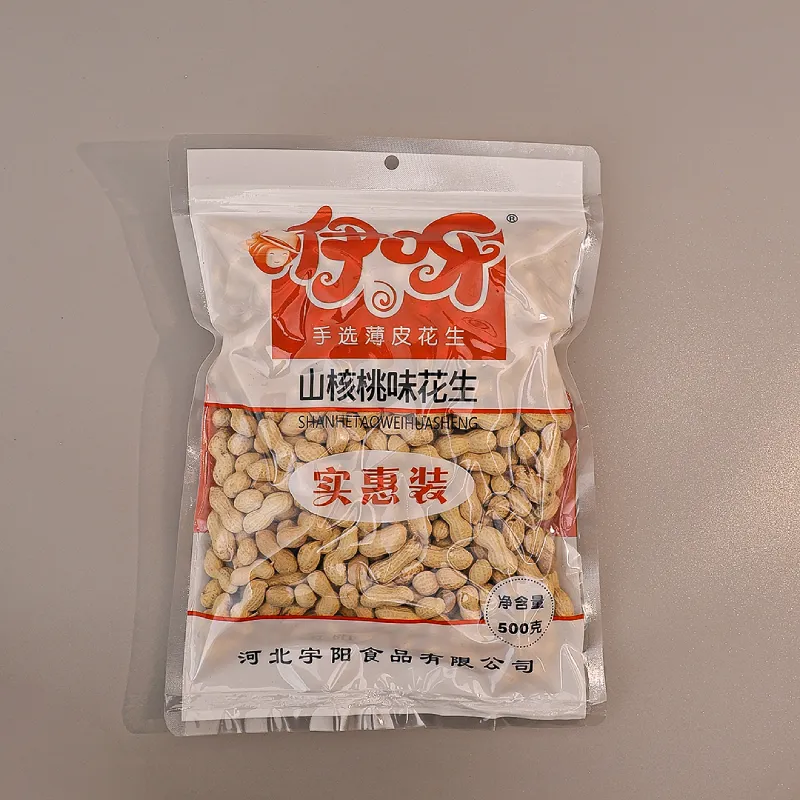
Sunflower seed individual packets represent a critical component of the agricultural supply chain, transitioning a bulk commodity into a readily consumable retail product. These packets are more than simple containers; they are engineered systems designed to protect seed viability, maintain quality attributes, and facilitate convenient distribution. This guide provides an in-depth analysis of the materials, manufacturing processes, performance characteristics, potential failure modes, and industry standards governing high-quality sunflower seed packets. The industry faces persistent challenges related to moisture control, pest resistance, and maintaining germination rates during prolonged storage. The selection of appropriate packaging materials and sealing techniques is paramount to addressing these concerns, directly impacting economic viability for seed producers and consumer satisfaction.
Material Science & Manufacturing
The primary material for sunflower seed packets is typically a multi-layer laminate structure, balancing barrier properties with cost-effectiveness. Common base materials include biaxially oriented polypropylene (BOPP), polyester (PET), and polyethylene (PE). BOPP offers excellent tensile strength and clarity, while PET provides superior moisture barrier properties. PE layers are often incorporated for sealing capability. Metallization (typically aluminum) is frequently applied to one or more layers to enhance oxygen and light barrier properties, crucial for preserving seed quality and preventing rancidity. Ink formulations used for printing must be non-toxic and adhere effectively to the laminate structure without compromising barrier performance. Manufacturing involves a series of processes: film extrusion, metallization (if applicable), printing (flexographic or rotogravure), lamination, pouch formation (typically using form-fill-seal technology), sealing, and quality control. Key parameter control points include laminate thickness consistency, metallization layer uniformity, ink adhesion strength, seal integrity (measured by peel strength and hot tack), and moisture content of the film materials. The adhesives used in lamination must exhibit compatibility with the film substrates and maintain bond strength over a range of temperatures and humidity levels. The manufacturing process needs to ensure the absence of pinholes or defects in the laminate structure, as these can compromise barrier properties.

Performance & Engineering
The performance of a sunflower seed packet is dictated by its ability to protect the seeds from environmental stressors. A key engineering consideration is moisture vapor transmission rate (MVTR), which must be minimized to prevent seed germination issues and fungal growth. Oxygen transmission rate (OTR) is also critical, as oxygen can lead to lipid oxidation and rancidity, reducing seed viability and palatability. The mechanical properties of the packet, specifically tensile strength and tear resistance, determine its ability to withstand handling and transportation stresses. Force analysis during filling, sealing, and distribution reveals peak loads and potential failure points. The seal strength must exceed the weight of the packaged seeds plus a safety factor to prevent burst seals. Compliance requirements, dictated by agricultural regulations, often specify permissible levels of residual solvents and heavy metals in the packaging materials. Furthermore, the packet design must accommodate accurate seed weighing and filling within specified tolerances. The choice of pouch style (e.g., three-side seal, center seal, stand-up pouch) impacts headspace volume and oxygen scavenging capabilities. Specific considerations for high-oil content sunflower varieties necessitate enhanced barrier properties to mitigate oxidative degradation. Burst pressure testing and drop testing are standard engineering protocols to evaluate packet integrity.
Technical Specifications
| Parameter | Units | Typical Value | Test Method |
|---|---|---|---|
| Moisture Vapor Transmission Rate (MVTR) | g/m²/day | <5 | ASTM E96 |
| Oxygen Transmission Rate (OTR) | cc/m²/day | <1 | ASTM D3985 |
| Tensile Strength (MD) | MPa | >25 | ASTM D882 |
| Seal Strength (Peel) | N/25mm | >8 | ASTM F88 |
| Burst Strength | psi | >150 | ASTM D3787 |
| Laminate Thickness | µm | 80-120 | ISO 534 |
Failure Mode & Maintenance
Common failure modes for sunflower seed packets include seal failures leading to seed leakage, pinhole punctures compromising barrier properties, delamination of the laminate structure reducing overall strength, and degradation of the metallized layer diminishing oxygen and light protection. Fatigue cracking can occur during handling and transportation, particularly at corners and stress concentration points. Oxidation of the laminate materials over time can decrease barrier performance. Environmental factors like high humidity and temperature accelerate these degradation processes. Maintenance focuses on preventative measures during manufacturing, including rigorous quality control checks for seal integrity, laminate defects, and metallization uniformity. Proper storage of the packets in cool, dry conditions minimizes environmental degradation. Seed producers should conduct regular shelf-life studies to assess packet performance over time and identify potential failure trends. Root cause analysis of field failures (e.g., reported burst seals) is essential for process improvement. Implementing robust tracking and traceability systems allows for rapid identification and recall of defective batches. In some cases, the use of desiccants within the packet can mitigate moisture-related failures, especially for seeds with high moisture sensitivity.
Industry FAQ
Q: What is the impact of laminate material selection on seed germination rates?
A: Laminate material selection directly impacts seed germination rates primarily through control of moisture and oxygen levels. High MVTR and OTR materials allow moisture ingress and oxygen exposure, leading to reduced germination rates and seed viability. Using a laminate with a metallized layer and appropriate polymer selection (e.g., PET) minimizes these effects, preserving germination potential.
Q: How do you ensure consistent seal integrity across a high-volume production line?
A: Consistent seal integrity is ensured through continuous monitoring of sealing parameters (temperature, pressure, dwell time), regular calibration of sealing equipment, and frequent quality control checks using peel strength and burst testing. Statistical process control (SPC) is employed to identify and address any deviations from established standards.
Q: What is the role of ink adhesion in long-term packet performance?
A: Poor ink adhesion can lead to ink transfer onto the seeds, potentially affecting their quality and palatability. More importantly, compromised ink adhesion can indicate underlying issues with laminate surface treatment, potentially affecting barrier properties. Selecting inks specifically formulated for laminate substrates and conducting adhesion tests are crucial.
Q: What are the regulatory requirements for food contact materials used in sunflower seed packets?
A: Regulatory requirements vary by region, but generally, materials in contact with food must comply with regulations such as those established by the FDA (US), EFSA (Europe), and equivalent bodies in other countries. These regulations specify limits for residual solvents, heavy metals, and other potentially harmful substances.
Q: How do you mitigate the risk of oxidative degradation in high-oil sunflower seeds?
A: Mitigating oxidative degradation involves using a laminate with extremely low OTR, incorporating oxygen scavengers within the packet, and storing the seeds in cool, dark conditions. Nitrogen flushing prior to sealing can further reduce oxygen levels inside the packet.
Conclusion
The integrity of sunflower seed packets is inextricably linked to the preservation of seed quality and ultimately, the success of agricultural operations. A comprehensive understanding of material science, manufacturing processes, and performance characteristics is essential for producing packets that consistently meet the stringent demands of the industry. The key to success lies in selecting appropriate materials, meticulously controlling manufacturing parameters, and adhering to rigorous quality control protocols.
Future advancements in packaging technology may involve the integration of active packaging systems, such as oxygen and ethylene scavengers, and the development of bio-based and biodegradable laminate structures. Continued research and development focusing on enhancing barrier properties, improving seal integrity, and minimizing environmental impact will be crucial for maintaining the competitiveness and sustainability of the sunflower seed industry.
