Introduction
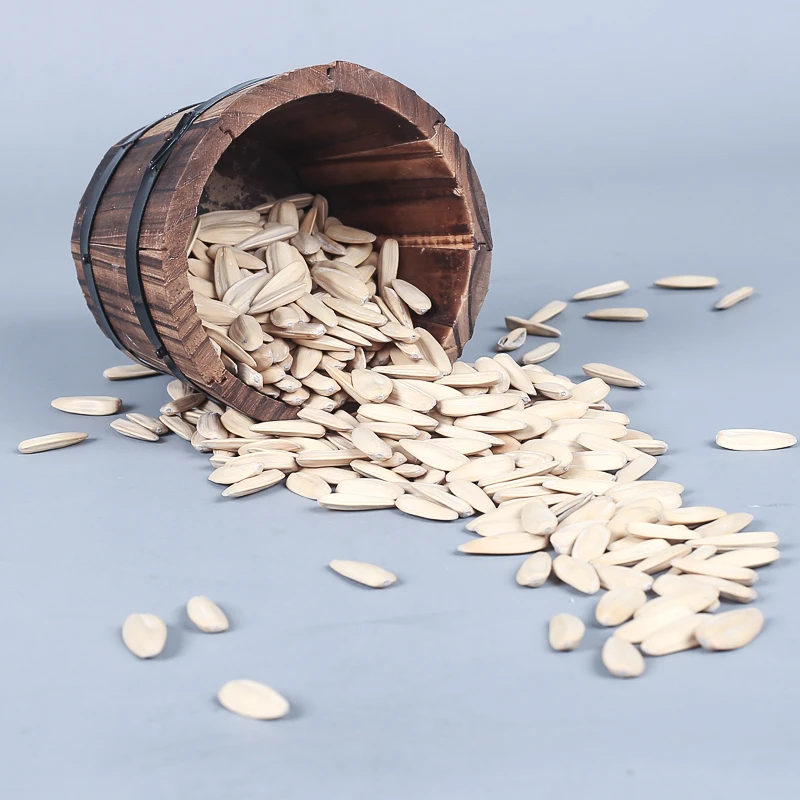
Sunflower seeds in the shell (Helianthus annuus) represent a significant segment of the global snack food and agricultural commodities market. Technically positioned between raw agricultural production and consumer packaged goods, these seeds undergo rigorous quality control to ensure palatability, safety, and consistent oil content. Core performance characteristics include kernel weight, shell strength, oil percentage, moisture content, and freedom from defects like broken kernels or foreign materials. The increasing demand for healthy snacks and the expanding market for plant-based proteins drive the need for high-quality seeds, demanding a sophisticated understanding of the entire value chain from breeding and cultivation to post-harvest handling and processing. The primary industry pain point centers around achieving consistent quality across varying growing seasons and geographical locations, compounded by challenges in mitigating mycotoxin contamination and maintaining optimal storage conditions to prevent rancidity.
Material Science & Manufacturing
The primary raw material is the sunflower seed itself, composed of a kernel (cotyledon) containing approximately 40-55% oil, 20-25% protein, and 15-20% carbohydrates, encased within a protective shell (pericarp). The shell’s composition is predominantly cellulose and lignin, providing structural integrity. The quality of the kernel oil is critical, determined by the fatty acid profile, specifically the linoleic (omega-6) and oleic (omega-9) acid content. Manufacturing begins with seed selection based on variety (confectionary vs. oilseed) and genetic potential. Cultivation practices, including fertilization and irrigation, significantly impact seed size and oil content. Post-harvest processing involves drying to a specific moisture content (typically 8-10%) to inhibit microbial growth and enzymatic activity. This is often achieved through forced-air drying, monitored by temperature and humidity sensors. Further processing involves cleaning to remove debris, grading by size and density, and optical sorting to eliminate discolored or damaged seeds. Shell strength is determined by impact resistance testing, measuring the force required to fracture the shell. Parameter control during drying is crucial; excessively high temperatures degrade oil quality, while insufficient drying leads to mold growth. Seed coating with food-grade materials, like calcium carbonate, is sometimes employed to enhance visual appeal and provide a protective layer.
Performance & Engineering
The performance of sunflower seeds in the shell is largely dictated by the structural integrity of the shell and the chemical stability of the kernel oil. Force analysis during handling (transport, packaging, consumer opening) focuses on shell fracture resistance to minimize kernel breakage. Environmental resistance encompasses stability to temperature fluctuations and humidity levels. Prolonged exposure to elevated temperatures accelerates lipid oxidation, resulting in rancidity and off-flavors. High humidity promotes mold growth and mycotoxin production. Compliance requirements involve adherence to food safety regulations (e.g., FDA in the US, EFSA in Europe) regarding pesticide residues, heavy metal content, and mycotoxin limits (aflatoxins, ochratoxins). Functional implementation – namely, the ease of shelling and the palatability of the kernel – are key performance indicators. Shelling force is optimized through seed variety selection and appropriate drying protocols. Oil stability is enhanced through the inclusion of natural antioxidants (e.g., vitamin E) during cultivation or post-harvest processing. Packaging materials play a critical role in maintaining optimal moisture levels and protecting against light exposure, further contributing to shelf life and product quality.
Technical Specifications
| Parameter | Unit | Specification (Grade A) | Testing Method |
|---|---|---|---|
| Kernel Oil Content | % (Dry Weight Basis) | 48-55% | Soxhlet Extraction (AOCS Official Method) |
| Moisture Content (Kernel) | % | ≤ 8.0% | Oven Drying Method (AACC Method 915.1) |
| Kernel Damage (Broken/Chipped) | % | ≤ 5.0% | Visual Inspection & Mechanical Separation |
| Foreign Material | % | ≤ 1.0% | Visual Inspection & Screening |
| Aflatoxin B1 | ppb | ≤ 20 ppb | HPLC-Fluorescence Detection (AOCS Official Method) |
| Shell Strength (Fracture Resistance) | N | ≥ 100 N | Instron Universal Testing Machine |
Failure Mode & Maintenance
Sunflower seeds in the shell are susceptible to several failure modes. Lipid Oxidation/Rancidity: Exposure to oxygen, light, and elevated temperatures initiates free radical chain reactions, degrading the oil and producing undesirable flavors. Mycotoxin Contamination: Fungal growth, particularly Aspergillus flavus and Aspergillus parasiticus, produces aflatoxins, posing a significant health risk. This is exacerbated by inadequate drying and improper storage. Shell Fracture: Mechanical stress during handling and transportation can cause shell cracking, leading to kernel damage and increased susceptibility to insect infestation. Insect Infestation: Storage pests can damage kernels, reducing quality and causing economic losses. Moisture Absorption: Hygroscopic nature of the kernel leads to moisture absorption from the environment if packaging is compromised, accelerating spoilage. Maintenance strategies involve proper drying to ≤ 8% moisture content, storage in cool, dry, and dark conditions, packaging in moisture-barrier materials (e.g., metallized films), regular monitoring for mycotoxin levels and insect activity, and implementing a First-In, First-Out (FIFO) inventory system. The addition of antioxidants (e.g., tocopherols) can extend shelf life by inhibiting lipid oxidation.
Industry FAQ
Q: What is the primary factor influencing the shelf life of sunflower seeds in the shell?
A: The primary factor influencing shelf life is the control of lipid oxidation. Exposure to oxygen, light, and heat accelerates rancidity, diminishing the quality of the kernel oil. Proper packaging with a moisture and oxygen barrier, combined with cool and dark storage, is crucial for extending shelf life.
Q: What are the regulatory limits for aflatoxins in sunflower seeds destined for the European market?
A: The European Union regulations (Regulation (EC) No 1881/2006) set a maximum limit of 2 µg/kg (2 ppb) for total aflatoxins (B1, B2, G1, and G2) in sunflower seeds intended for direct human consumption.
Q: How does the drying process impact the quality of sunflower seeds?
A: Incorrect drying significantly impacts quality. Insufficient drying leads to increased moisture content, promoting mold growth and mycotoxin production. Excessively high drying temperatures degrade the oil quality, leading to rancidity and reduced nutritional value. Optimal drying involves controlled temperature and airflow to reach a moisture content of 8-10% without damaging the kernel.
Q: What is the significance of kernel size and uniformity?
A: Kernel size and uniformity are important for processing efficiency and consumer acceptance. Larger, more uniform kernels generally have a higher oil content and are easier to shell. Variations in size can lead to inconsistent roasting or flavoring during further processing.
Q: What are the key differences between confectionary and oilseed sunflower varieties regarding quality parameters?
A: Confectionary varieties prioritize kernel size, shell strength, and hull color for consumer appeal. They typically have a higher oil content and lower fiber content compared to oilseed varieties. Oilseed varieties, conversely, are bred for maximum oil yield and are not necessarily optimized for direct consumption; shell strength and kernel size are less critical.
Conclusion
The production of high-quality sunflower seeds in the shell necessitates a holistic approach, encompassing meticulous attention to detail from seed genetics and agricultural practices to post-harvest processing and storage. Maintaining optimal moisture content, preventing mycotoxin contamination, and ensuring shell integrity are paramount. The technical specifications outlined underscore the importance of quantifiable metrics for quality control.
Future advancements in breeding programs focusing on enhanced oil stability, increased shell strength, and improved resistance to fungal diseases will further elevate the quality and shelf life of this valuable commodity. Continued investment in innovative packaging technologies and optimized storage protocols will be essential for meeting the growing global demand for healthy and safe sunflower seeds.
