Introduction
High-quality sunflower seeds, specifically those intended for oil production, confectionary use, and birdseed, represent a significant commodity in the global agricultural market. Their technical position within the food and feed chain is as a primary processed ingredient, requiring rigorous quality control from breeding and cultivation through harvesting, drying, dehulling, and storage. Core performance indicators revolve around oil content, protein content, fatty acid profile (oleic, linoleic), moisture content, hulling percentage, and freedom from mycotoxins and other contaminants. The increasing demand for healthier oils and sustainable agricultural practices necessitates a detailed understanding of sunflower seed quality parameters. This guide provides an in-depth technical overview of high-quality sunflower seed production, covering material science, manufacturing processes, performance characteristics, potential failure modes, and relevant industry standards.
Material Science & Manufacturing
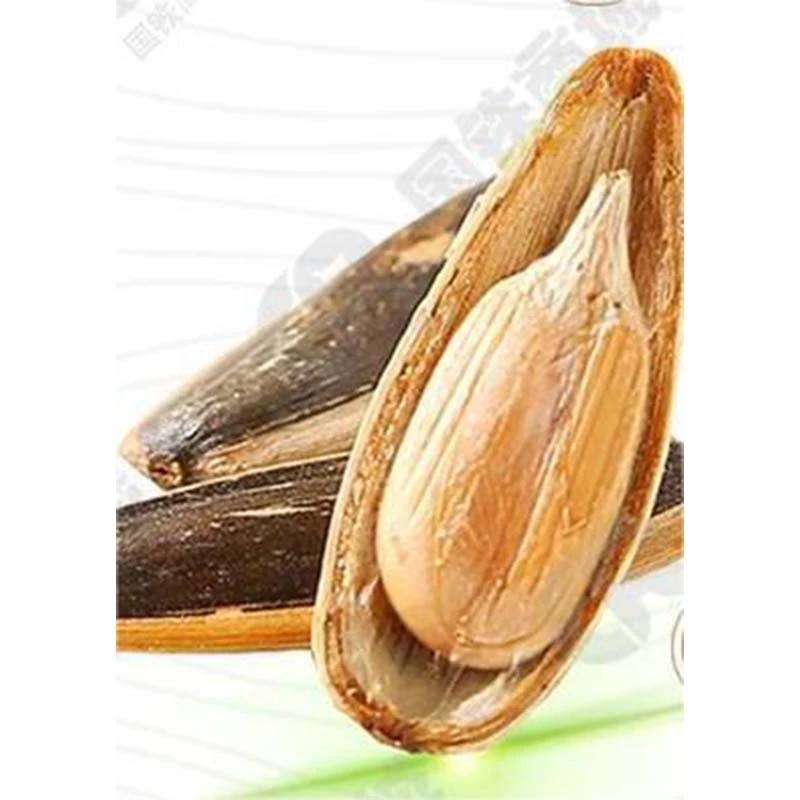
Sunflower seeds ( Helianthus annuus ) are comprised of several key components: the seed coat (hull), the kernel (cotyledon), and the embryo. The kernel constitutes roughly 50-65% of the seed’s weight and is the primary source of oil. The hull, composed of cellulose and lignin, provides physical protection during growth and harvest but is removed during processing for oil extraction and confectionary purposes. Chemically, the kernel consists primarily of triglycerides (90-95%), proteins (15-25%), phospholipids, waxes, sterols, and tocopherols (Vitamin E). The fatty acid profile is critical, with oleic and linoleic acids being the dominant components.
Manufacturing begins with cultivar selection, focusing on traits like oil content, disease resistance, and yield. Seed production involves controlled pollination to maintain genetic purity. Harvesting is typically performed when the back of the seed head turns yellow-brown, and moisture content reaches approximately 18-22%. Mechanical harvesting employs combines equipped with specialized heads to thresh the seeds. Post-harvest processing includes cleaning to remove debris, drying to reduce moisture content to 8-10% for safe storage, and dehulling to separate the kernel from the hull. Dehulling efficiency is a key parameter, typically measured as the percentage of kernels successfully removed from their hulls. This is achieved through impact and friction using specialized dehulling machinery. Parameter control during drying is paramount, as excessive temperatures can damage oil quality and reduce germination rates. Control of air velocity and temperature are essential. Seed storage requires maintaining low temperature (below 15°C) and humidity (below 65%) to prevent spoilage and maintain viability.
Performance & Engineering
Sunflower seed performance is heavily reliant on the integrity of the kernel. Force analysis focuses on kernel hardness, which affects dehulling efficiency and oil yield. Hardness is measured using compression tests and is correlated with the composition of the seed coat. Environmental resistance is crucial during growth and storage. Exposure to moisture, temperature fluctuations, and insect infestation can lead to seed deterioration. The seed coat acts as a barrier against moisture uptake, but prolonged exposure can lead to fungal growth and mycotoxin contamination. Proper drying and storage are essential for mitigating these risks. Compliance requirements vary by region but typically include regulations regarding mycotoxin levels (aflatoxins, ochratoxins), pesticide residues, and genetically modified organism (GMO) content. The oil extraction process, typically employing mechanical pressing or solvent extraction (hexane), requires careful engineering to maximize oil yield and minimize residual solvent levels in the oil. Oil refining further removes impurities and improves oil stability.
Technical Specifications
| Parameter | Unit | Specification (High Quality Oilseed Variety) | Specification (High Quality Confectionary Variety) |
|---|---|---|---|
| Oil Content (Dry Basis) | % | >48 | >40 |
| Protein Content (Dry Basis) | % | 18-22 | 20-25 |
| Oleic Acid Content | % of Total Fatty Acids | >60 | 40-60 |
| Linoleic Acid Content | % of Total Fatty Acids | <30 | 30-50 |
| Moisture Content | % | <10 | <8 |
| Hulling Percentage | % | >95 | >98 |
| Aflatoxin B1 | ppb | <5 | <2 |
Failure Mode & Maintenance
Sunflower seeds are susceptible to several failure modes. Fatigue cracking of the seed coat can occur during handling and processing, leading to kernel damage and reduced oil yield. Delamination of the kernel can result from improper drying or storage, weakening the structural integrity of the seed. Degradation of oil quality occurs due to oxidation, hydrolysis, and enzymatic reactions, leading to rancidity and reduced nutritional value. This is accelerated by high temperatures and exposure to oxygen. Oxidation is a primary concern during storage, leading to the formation of peroxides and aldehydes. Insect infestation by storage pests like the sunflower weevil can cause significant damage and contamination. Mycotoxin contamination is a major safety concern, particularly from Aspergillus species producing aflatoxins.
Maintenance involves implementing rigorous quality control measures throughout the production chain. This includes proper drying techniques, controlled storage conditions (low temperature and humidity), regular pest monitoring and control, and adherence to sanitation protocols. Preventative maintenance of harvesting and processing equipment is critical to minimize mechanical damage. Regular laboratory analysis for mycotoxins and oil quality parameters is essential for ensuring product safety and compliance. Implementing a First-In, First-Out (FIFO) inventory management system is crucial to minimize storage time and reduce the risk of deterioration.
Industry FAQ
Q: What is the primary difference in quality parameters between sunflower seeds destined for oil production versus confectionary use?
A: Seeds for oil production prioritize high oil content and a favorable fatty acid profile (specifically high oleic acid for stability). Hulling percentage is less critical. Confectionary seeds require larger kernel size, a lighter-colored kernel, and very high hulling percentage for ease of consumption. Lower mycotoxin levels are also paramount for confectionary use due to direct human consumption.
Q: How significantly does moisture content impact long-term storage stability?
A: Moisture content is arguably the most critical factor. Even slight increases in moisture content can exponentially accelerate fungal growth and mycotoxin production. Maintaining a moisture content below 10% is essential for preventing spoilage during extended storage. Proper drying post-harvest is therefore vital.
Q: What analytical methods are commonly used to assess oil quality in sunflower seeds?
A: Common methods include gas chromatography (GC) for fatty acid profile determination, peroxide value (PV) determination to assess oxidative rancidity, acid value (AV) to measure free fatty acid content, and iodine value (IV) to determine the degree of unsaturation. Moisture content is determined using Karl Fischer titration or oven drying.
Q: What are the typical preventative measures to mitigate aflatoxin contamination?
A: Preventative measures include selecting disease-resistant varieties, implementing proper agronomic practices to minimize plant stress, avoiding mechanical damage during harvesting, rapid and thorough drying to reduce moisture content, and proper storage conditions with low temperature and humidity. Regular testing for aflatoxins is also crucial.
Q: How does the hulling process affect the final oil yield and quality?
A: Efficient hulling is crucial for maximizing oil yield, as the hulls contain negligible oil. However, aggressive hulling can damage the kernels, leading to increased free fatty acids and reduced oil quality. Optimizing hulling parameters (impact velocity, friction, and clearance) is essential to balance hulling efficiency and kernel integrity.
Conclusion
High-quality sunflower seed production is a complex process requiring meticulous attention to detail across the entire value chain. From cultivar selection and agronomic practices to post-harvest handling, drying, and storage, each step significantly influences the final product's quality, safety, and economic value. Understanding the material science underpinning seed composition, coupled with rigorous control of manufacturing parameters, is essential for maximizing oil yield, minimizing mycotoxin contamination, and meeting stringent industry standards.
Future developments are likely to focus on breeding for improved oil profiles (e.g., high-oleic, high-linoleic), enhanced disease resistance, and optimized harvesting characteristics. Advancements in storage technologies, such as controlled atmosphere storage, could further extend shelf life and maintain oil quality. Continued research and development, alongside adherence to internationally recognized standards, will be crucial for ensuring the sustainable production of high-quality sunflower seeds to meet the growing global demand.
