Introduction
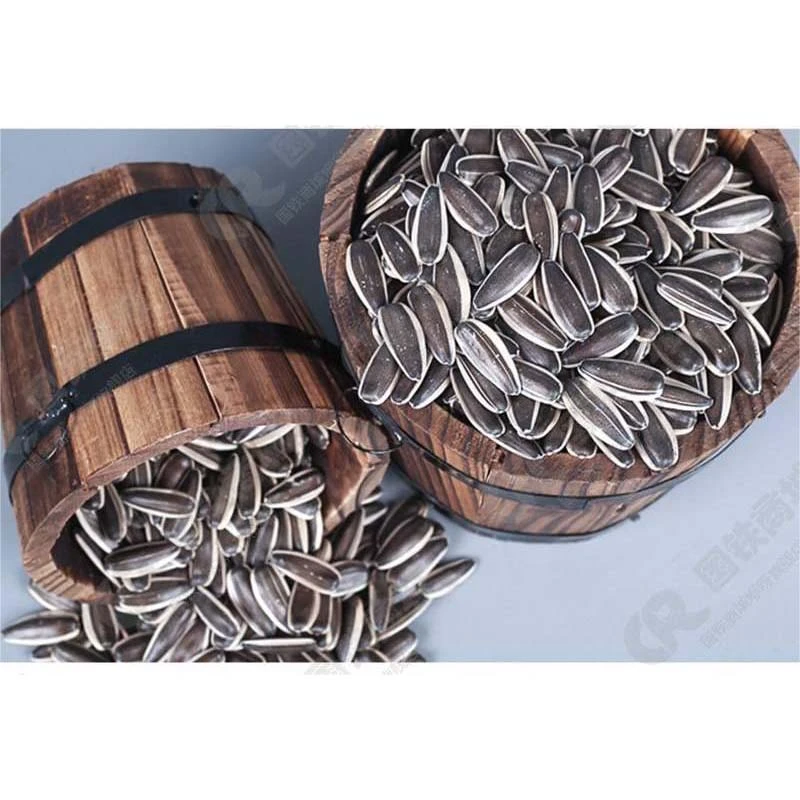
Sunflower seeds in shell (Helianthus annuus) represent a significant commodity in the agricultural sector, functioning as both a direct consumption food product and a crucial input for oil extraction. Their technical position within the food processing chain resides between primary agricultural production and secondary processing – snack food manufacturing and edible oil refinement. The core performance characteristics defining high-quality seeds encompass kernel content (weight percentage of kernel within the shell), kernel oil content, moisture content, foreign matter content, and overall seed integrity. These parameters directly influence processing efficiency, oil yield, and the final sensory attributes of derived products. A primary industry pain point centers around consistent quality control, specifically minimizing the presence of damaged kernels, shell fragments, and aflatoxins, all impacting both consumer safety and processing costs. Furthermore, maintaining optimal moisture content for extended storage presents a logistical challenge, as deviations lead to increased susceptibility to mold growth and reduced germination rates for seeds intended for further breeding programs.
Material Science & Manufacturing
The sunflower seed comprises three primary components: the kernel (embryo), the shell (pericarp and testa), and the hull (hull tissue surrounding the kernel). The kernel’s composition is dominated by lipids (40-55%), primarily linoleic acid (a polyunsaturated omega-6 fatty acid), followed by protein (20-25%), carbohydrates (10-15%), and fiber. The shell is largely composed of cellulose, hemicellulose, and lignin, providing structural integrity. Manufacturing begins with controlled cultivation practices, influencing seed size, oil content, and shell thickness. Harvesting techniques – mechanical vs. manual – impact seed damage rates. Post-harvest processing includes cleaning (removal of debris, stalks, and leaves), drying (reducing moisture content to 8-10% using forced-air systems, with temperature control critical to prevent protein denaturation), dehulling (mechanical separation of kernel from shell – impact dehulling and roller dehulling are common methods, parameter control including roller speed and gap size are vital), grading (size and density sorting), and finally, quality control via optical sorting and chemical analysis. Shell strength is a crucial parameter, directly correlated to its cellulose content and lignin cross-linking. Insufficient drying leads to increased moisture content, facilitating enzymatic activity and accelerating lipid oxidation, resulting in rancidity. Kernel oil content is heavily influenced by genetics, growing conditions (sunlight, temperature, water availability), and the application of fertilizers, particularly potassium.
Performance & Engineering
The structural integrity of the shell is paramount for protecting the kernel during handling, storage, and transportation. Force analysis reveals that shell fracture strength varies significantly with moisture content and the direction of applied force. Higher moisture content reduces fracture resistance. Engineering considerations include designing storage silos and transportation containers to minimize impact forces and prevent shell breakage. Environmental resistance centers around moisture control and preventing infestation by storage pests (e.g., beetles, moths). Modified atmosphere packaging (MAP), utilizing nitrogen gas, is employed to reduce oxygen levels and inhibit insect respiration. Compliance requirements mandate adherence to maximum permissible levels of aflatoxins (produced by Aspergillus fungi) as defined by regulatory bodies like the FDA (Food and Drug Administration) and the EU. Heat treatment (roasting) is utilized to inactivate enzymes and reduce microbial load, but precise temperature control is necessary to avoid detrimental effects on oil quality and sensory attributes. Furthermore, seed grading based on size and density ensures uniformity in roasting and subsequent processing, maximizing efficiency and product consistency. The moisture vapor transmission rate (MVTR) of packaging materials is a critical performance factor; low MVTR materials are essential for maintaining seed dryness and preventing mold growth during long-term storage.
Technical Specifications
| Parameter | Unit | Grade A (High Quality) | Grade B (Standard Quality) |
|---|---|---|---|
| Kernel Content | % (Weight) | 62-68 | 58-62 |
| Kernel Oil Content | % (Weight) | 48-55 | 45-50 |
| Moisture Content (Kernel) | % | 8.0-10.0 | 10.0-12.0 |
| Foreign Matter Content | % (Weight) | < 1.0 | < 2.0 |
| Broken/Damaged Kernels | % (Count) | < 2.0 | < 5.0 |
| Aflatoxin Levels (B1, B2, G1, G2) | ppb | < 5 | < 10 |
Failure Mode & Maintenance
Failure modes in sunflower seeds in shell can be categorized as physical, chemical, and biological. Physical failures include shell cracking during handling and transportation, leading to kernel damage and increased susceptibility to insect infestation. Chemical failures primarily involve lipid oxidation (rancidity) due to exposure to oxygen, light, and elevated temperatures, resulting in off-flavors and reduced nutritional value. Biological failures are caused by fungal growth (e.g., Aspergillus, Penicillium) and insect infestation. Aflatoxin production by Aspergillus species is a critical concern, posing a health hazard. Maintenance strategies focus on preventative measures. These include proper drying and storage conditions (low temperature, low humidity, airtight containers), the application of protective coatings (e.g., food-grade waxes) to reduce moisture absorption, and the use of insect traps and fumigants. Regular inspection for signs of insect activity or mold growth is crucial. For seeds intended for oil extraction, minimizing kernel damage is essential to optimize oil yield. Failure analysis involves assessing the root cause of deterioration – was it improper drying, insect infestation, or prolonged exposure to heat and light? Predictive maintenance, involving monitoring temperature and humidity levels during storage, enables proactive intervention before significant quality degradation occurs.
Industry FAQ
Q: What is the acceptable level of moisture content in sunflower seeds intended for long-term storage?
A: The recommended moisture content for long-term storage of sunflower seeds is between 8.0% and 10.0%. Higher moisture levels significantly increase the risk of mold growth, enzymatic activity, and insect infestation, leading to quality degradation and potential aflatoxin contamination. Regular monitoring and controlled-atmosphere storage are crucial to maintain this level.
Q: How does the shell thickness impact the shelf life and handling of sunflower seeds?
A: Shell thickness provides a physical barrier against moisture absorption, insect penetration, and kernel damage. Thicker shells generally offer better protection and contribute to a longer shelf life. However, excessively thick shells can increase processing costs during dehulling. An optimal shell thickness is determined by balancing protection with processing efficiency.
Q: What are the primary methods for controlling aflatoxin contamination in sunflower seeds?
A: Controlling aflatoxin contamination requires a multi-faceted approach. This includes selecting aflatoxin-resistant seed varieties, implementing proper pre-harvest and post-harvest practices (adequate drying, minimizing kernel damage), utilizing storage methods that inhibit fungal growth (low temperature, low humidity, controlled atmosphere), and potentially applying post-harvest treatments (e.g., sorting, cleaning) to remove contaminated seeds. Regular testing for aflatoxin levels is essential.
Q: What is the significance of kernel oil content in sunflower seeds from a buyer’s perspective?
A: Kernel oil content is a critical quality parameter for buyers, particularly those involved in oil extraction. Higher oil content translates to a greater oil yield per unit of seed, resulting in lower processing costs and increased profitability. It's a primary factor in determining the price and overall value of the seeds.
Q: What dehulling methods are commonly used, and what are their respective advantages and disadvantages?
A: Impact dehulling and roller dehulling are the two predominant methods. Impact dehulling utilizes a rapid impact force to separate the kernel from the shell, offering high throughput but potentially causing more kernel damage. Roller dehulling employs compression between rollers, providing gentler separation with lower kernel damage but potentially lower throughput. The optimal method depends on the seed characteristics and desired processing efficiency.
Conclusion
High-quality sunflower seeds in shell are defined by a complex interplay of physical, chemical, and biological characteristics. Maintaining optimal kernel content, oil content, and moisture levels, while minimizing foreign matter and aflatoxin contamination, are paramount for ensuring product integrity and processing efficiency. Understanding the material science of the seed components, coupled with rigorous control of manufacturing processes – from cultivation to storage – is critical for mitigating failure modes and maximizing yield.
The industry continually seeks advancements in seed breeding for improved aflatoxin resistance and enhanced oil content, alongside innovations in storage technologies and packaging materials to prolong shelf life and maintain quality. Adherence to international standards and rigorous quality control protocols remain essential for building trust and ensuring the safe and reliable supply of sunflower seeds in shell to the global market.
