Introduction
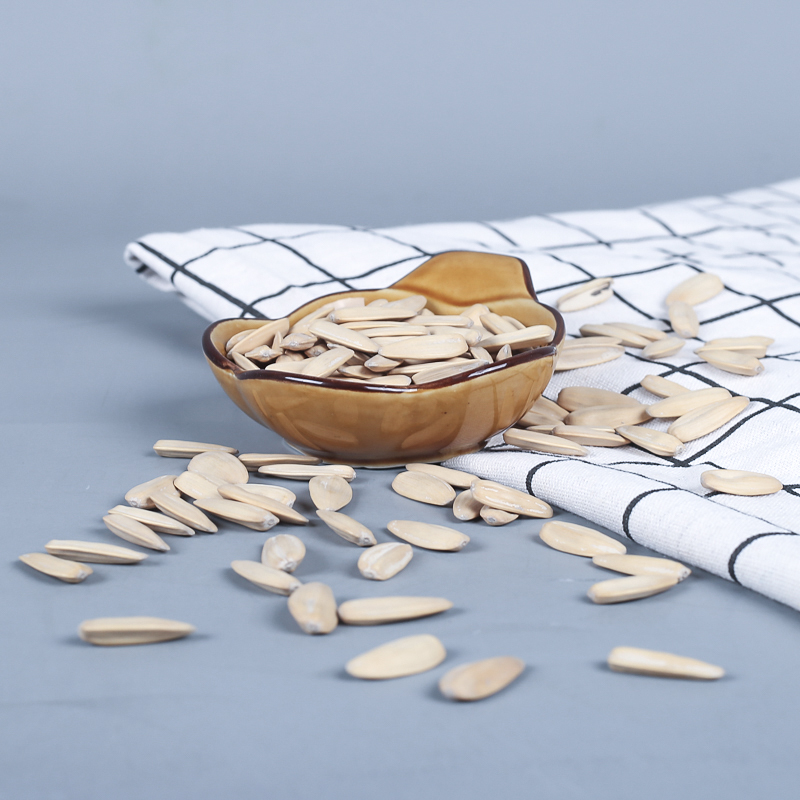
High-quality sunflower seeds for salad applications represent a specialized segment within the broader sunflower seed industry. These seeds are not simply commodity products; they are engineered for specific textural and flavor profiles intended for direct consumption in fresh salads. Their technical position lies within the agricultural processing and food ingredient supply chain, demanding stringent quality control from cultivation through post-harvest handling and processing. Core performance characteristics revolve around kernel size uniformity, oil content, hull integrity (or lack thereof for hulled varieties), absence of defects, and a mild, palatable flavor. The industry faces key pain points concerning consistent seed size and shape to ensure even distribution in salads, preventing rancidity through optimized oil stabilization, minimizing shell fragments in hulled seeds, and achieving compliance with increasingly strict food safety regulations.
Material Science & Manufacturing
Sunflower seeds (Helianthus annuus) comprise three primary components: the hull (pericarp), the kernel (cotyledon), and the germ. The hull is largely cellulose and lignin, providing structural protection. The kernel constitutes the edible portion, comprised predominantly of lipids (40-50% oil), protein (20-25%), carbohydrates (15-20%), and fiber. The oil composition is critical, largely consisting of linoleic acid (omega-6) and oleic acid (omega-9) with minor contributions from palmitic and stearic acids. Manufacturing begins with cultivar selection, focusing on traits like high oil content, large kernel size, and low hull adherence. Harvesting occurs at optimal maturity, followed by drying to reduce moisture content to approximately 8-10% to prevent mold growth. Hulled seeds undergo dehulling, often employing rubber rolls or abrasive techniques. Quality control involves optical sorting to remove discolored, damaged, or foreign material. Stabilization techniques, such as vitamin E addition or nitrogen flushing, are employed to mitigate lipid oxidation. Parameters like seed moisture content during drying (maintained below 14% to inhibit aflatoxin production) and dehulling pressure (optimized to maximize kernel recovery while minimizing damage) are rigorously controlled.
Performance & Engineering
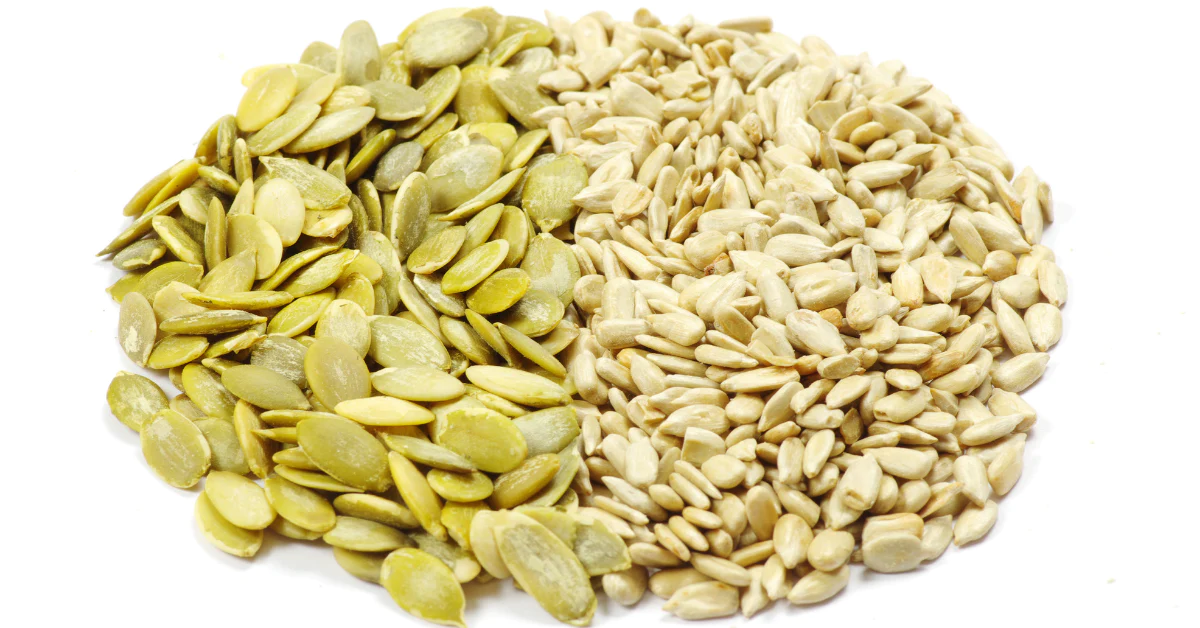
Performance in salad applications hinges on several engineering considerations. Firstly, textural integrity is paramount; seeds must retain their crunch without shattering excessively during mixing or consumption. This is linked to kernel density and moisture content. Force analysis reveals that optimal kernel hardness requires a balance between oil content and protein matrix structure. Environmental resistance, specifically resistance to moisture uptake, is crucial to maintain crispness during storage and use. Hydrophobic coatings, though rarely applied directly, can be enhanced through genetic selection and optimized drying processes. Compliance requirements center around food safety standards (see Section 7). Specifically, limits on aflatoxins, pesticide residues, and heavy metals must be met. Functional implementation necessitates consistent seed size and shape for even distribution in salad dressings and among other ingredients, minimizing settling or clumping. The seeds’ buoyancy in dressings also influences their presentation and overall salad aesthetic.
Technical Specifications
| Parameter | Unit | Hulled Seeds (Typical Range) | In-Shell Seeds (Typical Range) |
|---|---|---|---|
| Kernel Moisture Content | % | 6.0 – 8.0 | 8.0 – 10.0 |
| Oil Content (Dry Basis) | % | 50 – 58 | 45 – 55 |
| Kernel Size (Diameter) | mm | 8 – 12 | N/A |
| Kernel Hardness (Compression Force) | N | 5 – 10 | N/A |
| Hull Adherence (Hulled Seeds) | % (Kernel Surface Covered) | < 5 | N/A |
| Peroxide Value (Oil) | meq O2/kg | < 2.0 | < 3.0 |
Failure Mode & Maintenance
Failure modes for sunflower seeds in salad applications primarily stem from lipid oxidation (rancidity), moisture absorption leading to softening, and physical damage during handling. Rancidity is initiated by enzymatic hydrolysis and exacerbated by exposure to oxygen and light. This manifests as off-flavors and reduced nutritional value. Moisture absorption, particularly in humid environments, diminishes crispness and promotes microbial growth. Physical damage, such as cracking or chipping, can occur during harvesting, processing, or transportation. Failure analysis reveals that inadequate drying, improper storage conditions (high temperature and humidity), and abrasive handling contribute significantly to these failures. Maintenance solutions involve storing seeds in airtight containers in a cool, dark, and dry environment. Antioxidant addition (Vitamin E) and controlled atmosphere packaging (nitrogen flushing) can extend shelf life. Regular monitoring of peroxide values is essential to detect early stages of rancidity. Implementing gentle handling procedures throughout the supply chain minimizes physical damage.
Industry FAQ
Q: What is the acceptable level of aflatoxin in sunflower seeds intended for salad use?
A: The acceptable level of total aflatoxins is tightly regulated. In the US, the FDA sets a limit of 20 parts per billion (ppb). The European Union has a similar limit of 2 ppb for total aflatoxins, and stricter regulations may apply for specific subpopulations. Regular testing using ELISA or HPLC methods is crucial to ensure compliance.
Q: How does the variety of sunflower seed impact its suitability for salads?
A: Variety selection is critical. Varieties bred for confectionary use (snack seeds) typically have larger kernel sizes and a milder flavor profile, making them more appealing for salads. High-oleic varieties, with increased levels of oleic acid, exhibit enhanced oxidative stability and a longer shelf life. The hull-tightness of the variety also influences the efficiency of the dehulling process and the final product quality.
Q: What are the key differences between hulled and in-shell sunflower seeds for salad applications?
A: Hulled seeds provide convenience and a more palatable texture for direct consumption. However, the dehulling process can introduce kernel damage and increase the risk of rancidity due to exposed oil. In-shell seeds offer a longer shelf life and require minimal processing, but necessitate shelling by the consumer. The choice depends on consumer preference and desired product characteristics.
Q: What packaging materials are best suited to maintain the quality of sunflower seeds during storage?
A: Packaging should provide a barrier against oxygen, moisture, and light. Multi-layer films incorporating aluminum foil or metallized polyester offer excellent protection. Airtight seals are essential. Modified atmosphere packaging (MAP) with nitrogen flushing further extends shelf life by displacing oxygen. The packaging material should also be food-grade and compliant with relevant regulations.
Q: How can you ensure consistent seed size and shape for optimal salad presentation?
A: Implementing a rigorous grading and sorting process is essential. This involves using optical sorters to remove seeds that fall outside the specified size and shape parameters. Maintaining consistent growing conditions, including irrigation and fertilization, also contributes to uniform seed development. Careful harvesting and processing techniques minimize mechanical damage that can affect seed shape.
Conclusion
The production of high-quality sunflower seeds for salad applications demands a comprehensive understanding of material science, agricultural practices, and processing techniques. Maintaining optimal oil content, minimizing kernel damage, and ensuring compliance with stringent food safety standards are paramount. The key lies in selecting appropriate cultivars, controlling processing parameters, and implementing effective storage and packaging solutions.
Future development in this field will likely focus on enhancing oxidative stability through genetic engineering and exploring innovative coating technologies to improve moisture resistance and extend shelf life. The drive for sustainable agricultural practices and reduced food waste will also play a crucial role in shaping the future of sunflower seed production for salad use.
