Introduction
High quality sunflower seeds in bulk represent a critical input for a diverse range of industries, including food processing (human consumption and confectionary), animal feed production, and increasingly, biofuel and industrial oil extraction. The technical significance stems from the seed’s precise oil content, protein profile, fatty acid composition, and germination rate, all impacting downstream processing efficiency and final product quality. This guide details the material science, manufacturing processes, performance characteristics, potential failure modes, and essential industry standards governing bulk sunflower seed quality, designed for procurement professionals, quality control engineers, and processing plant managers. The seeds are categorized based on their oil content (high oleic, linoleic, mid-oleic) and size, with specific standards dictating permissible levels of moisture, foreign material, and damaged kernels. Ensuring seed quality is paramount to mitigating risks associated with rancidity, mycotoxin contamination, and inefficient oil extraction.
Material Science & Manufacturing
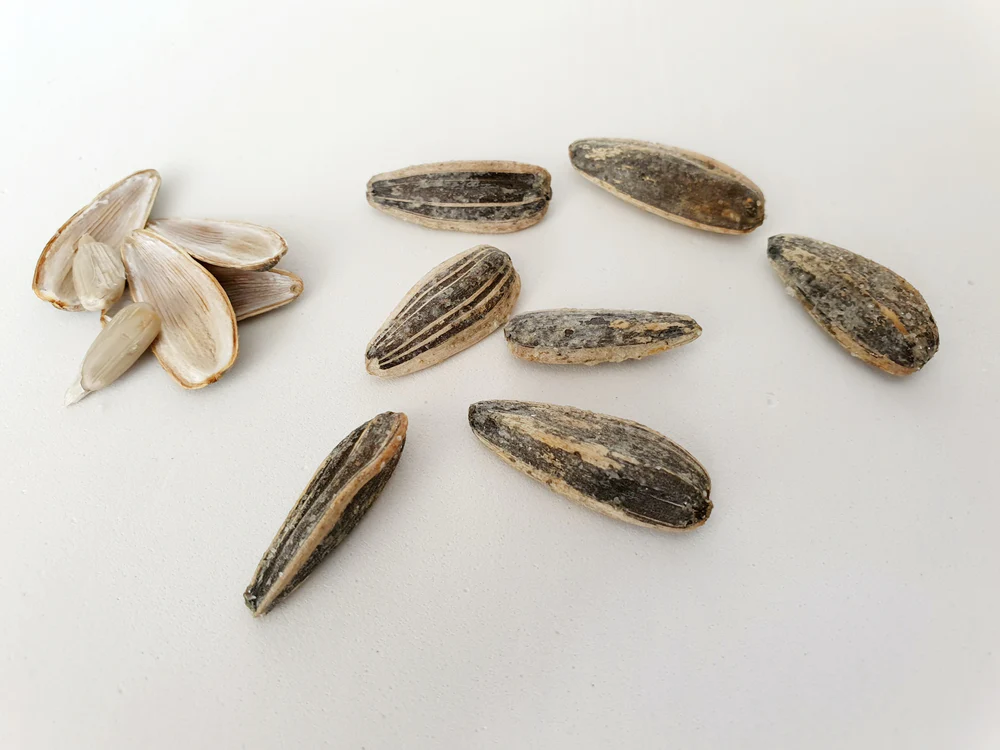
Sunflower seeds ( Helianthus annuus) are primarily composed of carbohydrate (20-30%), protein (18-25%), fat (35-55%), and fiber (5-10%). The oil content varies considerably based on genotype and growing conditions. High oleic varieties, increasingly favored, contain predominantly oleic acid (C18:1), providing superior oxidative stability. Linoleic varieties are rich in linoleic acid (C18:2), a polyunsaturated fatty acid. The seed coat, or hull, provides physical protection and contains lignin and cellulose. Manufacturing begins with hybrid seed selection optimized for specific oil profiles and agronomic traits. Cultivation practices, including irrigation, fertilization (particularly nitrogen, phosphorus, and potassium), and pest control, significantly influence seed composition. Harvesting is critical; delayed harvesting leads to field losses and increased seed moisture. Post-harvest processing includes cleaning (removal of stalks, leaves, and debris), drying (to ≤8.5% moisture content, typically using forced-air dryers), dehulling (optional, depending on end-use - e.g., confectionary seeds require dehulling), grading (by seed size using screens), and bulk storage. Parameter control during drying is crucial; excessive temperatures degrade oil quality and protein. Dehulling efficiency impacts yield and kernel integrity. Proper storage conditions (temperature <15°C, humidity <65%, adequate ventilation) minimize lipid oxidation and fungal growth.
Performance & Engineering
The performance of sunflower seeds is largely dictated by their physical and chemical properties. Oil yield (percentage of oil extracted from the kernel) is a primary performance indicator, influenced by seed density and oil content. Kernel hardness, measured using penetrometers, affects dehulling efficiency and breakage rates. Germination rate, essential for seed propagation, is assessed using standardized germination tests. Environmental resistance is critical, particularly to moisture, temperature fluctuations, and insect infestation. Seed storage facilities must be engineered to maintain optimal temperature and humidity levels. Compliance requirements include adherence to food safety regulations (e.g., HACCP), pesticide residue limits (established by regulatory bodies like the EPA and EU), and mycotoxin thresholds (aflatoxins, ochratoxins). Functional implementation involves designing efficient seed handling systems in processing plants, optimized for minimizing dust generation and seed damage. Seed size uniformity improves processing efficiency and product consistency. Seed coat integrity impacts the efficiency of oil extraction; cracked seeds yield lower oil recovery rates.
Technical Specifications
| Parameter | High Oleic Variety | Linoleic Variety | Standard Tolerance |
|---|---|---|---|
| Oil Content (Dry Basis, %) | >50 | >40 | ±2% |
| Oleic Acid Content (%, of total fatty acids) | >75 | <20 | ±5% |
| Linoleic Acid Content (%, of total fatty acids) | <20 | >60 | ±5% |
| Moisture Content (%) | <8.5 | <8.5 | ±0.5% |
| Foreign Material (%) | <1.0 | <1.0 | ±0.2% |
| Damaged Kernels (%) | <2.0 | <2.0 | ±0.5% |
Failure Mode & Maintenance
Sunflower seeds are susceptible to several failure modes during storage and processing. Lipid oxidation, leading to rancidity and off-flavors, is a major concern, accelerated by high temperatures, humidity, and exposure to oxygen. Mycotoxin contamination, particularly by Aspergillus species, poses a significant food safety risk. Mechanical damage (cracking, chipping) during handling and processing reduces oil yield and kernel quality. Insect infestation can lead to significant losses and contamination. Proper maintenance protocols include regular inspection of storage facilities for leaks, pests, and temperature/humidity deviations. Implementing a first-in, first-out (FIFO) inventory management system minimizes storage duration. Regular monitoring of seed quality parameters (oil content, moisture, mycotoxin levels) is crucial. The use of oxygen absorbers and inert gas blanketing (nitrogen) can slow down lipid oxidation. Preventative pest control measures, including sanitation and the use of approved insecticides, are essential. Promptly addressing any signs of mold growth or insect activity is critical to preventing widespread contamination.
Industry FAQ
Q: What is the significance of the acid value in sunflower seed oil, and what acceptable limits should be observed?
A: The acid value is a measure of the free fatty acids present in the oil, indicating the extent of hydrolysis (breakdown of triglycerides). A high acid value signifies oil deterioration and potential rancidity. Acceptable limits typically fall below 0.3 mg KOH/g oil for high-quality oil. Higher values indicate degradation during processing or storage and may render the oil unsuitable for certain applications.
Q: How does the seed variety (high oleic vs. linoleic) impact the storage stability of sunflower oil?
A: High oleic sunflower oil exhibits significantly superior storage stability due to the lower degree of unsaturation of oleic acid compared to linoleic acid. The double bonds in linoleic acid are more susceptible to oxidation, leading to rancidity. High oleic oil can be stored for longer periods without significant deterioration, reducing the need for antioxidants and minimizing quality loss.
Q: What are the critical control points in sunflower seed processing to minimize aflatoxin contamination?
A: Critical control points include pre-harvest monitoring of fields for fungal infections, proper drying of seeds to ≤8.5% moisture content immediately after harvest, thorough cleaning to remove contaminated kernels, and appropriate storage conditions (low temperature, low humidity). Regular testing for aflatoxin levels is also essential throughout the processing chain.
Q: What are the typical specifications for kernel size and how do they influence processing efficiency?
A: Kernel size is typically specified using screen sizes. Common sizes range from 16/64" to 20/64". Uniform kernel size is crucial for efficient dehulling, cracking, and oil extraction. Variability in size can lead to incomplete processing, increased breakage, and lower oil yields.
Q: What is the role of antioxidants in preserving the quality of sunflower seeds and their oil during storage?
A: Antioxidants, such as tocopherols (vitamin E) and ascorbic acid, are added to sunflower seeds and oil to inhibit lipid oxidation. They act as radical scavengers, preventing the chain reaction that leads to rancidity. The optimal concentration of antioxidants depends on the oil’s composition and storage conditions.
Conclusion
The quality of bulk sunflower seeds is a complex interplay of genetics, agronomic practices, and post-harvest handling. Understanding the material science – specifically the lipid composition and physical properties of the seeds – is fundamental to optimizing processing efficiency and maximizing oil yield. Rigorous adherence to industry standards for moisture content, foreign material, and mycotoxin levels is non-negotiable for ensuring food safety and maintaining product integrity.
The increasing demand for high oleic sunflower oil underscores the importance of selecting seed varieties with superior oxidative stability. Investing in robust storage infrastructure and implementing proactive maintenance protocols are essential for preventing degradation and ensuring a consistent supply of high-quality seeds. Further research into novel processing techniques and antioxidant strategies will continue to enhance the preservation and value of this critical agricultural commodity.
