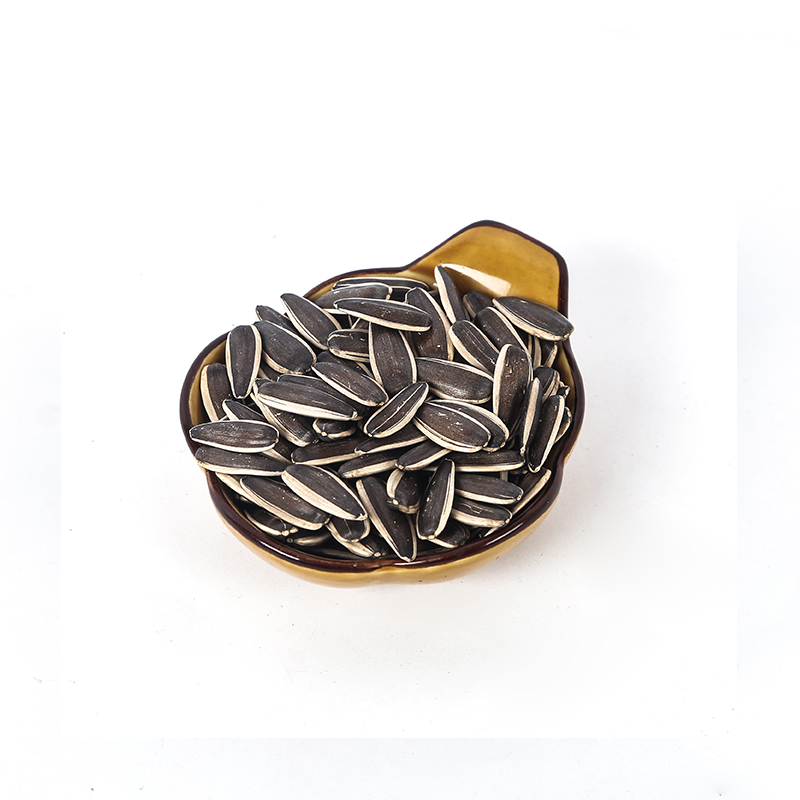
Introduction
Hulled sunflower seeds represent a significant segment of the global oilseed processing industry, serving as both a direct human food source and a crucial component in animal feed formulations. This technical guide provides an in-depth analysis of high-quality hulled sunflower seeds, encompassing their material science, manufacturing processes, performance characteristics, potential failure modes, and relevant industry standards. The hulling process, while seemingly simple, critically impacts seed integrity, oil yield, and the presence of detrimental compounds. The demand for hulled sunflower seeds is driven by increasing consumer awareness of their nutritional benefits – high levels of Vitamin E, linoleic acid, and protein – and their versatility in culinary applications. Achieving "high quality" necessitates stringent control throughout the entire supply chain, from cultivar selection and harvesting to processing, storage, and packaging. This document aims to provide a comprehensive technical resource for procurement managers, processing engineers, and quality control personnel involved in the sunflower seed industry.
Material Science & Manufacturing
Sunflower seeds ( Helianthus annuus) are inherently complex biological systems. The raw seed comprises approximately 35-55% oil, 20-25% protein, 15-20% carbohydrate, and 5-10% moisture, with the remainder constituting minerals and fiber. The oil composition is dominated by linoleic acid (typically 60-70%) and oleic acid (15-30%), impacting oxidative stability and nutritional value. The seed coat, or hull, is composed primarily of cellulose and lignin, providing structural integrity but hindering direct consumption. The manufacturing process begins with harvesting at optimal maturity (typically 8-10% moisture content) to minimize cracking and maximize oil yield. Cleaning removes foreign matter like stems, leaves, and stones. The core process is hulling, typically achieved through impact, friction, or a combination of both. Impact hulling utilizes rotating discs or hammers to fracture the hull, while friction hulling employs abrasive surfaces. Key parameters include impeller speed, feed rate, and clearance between hulling surfaces. Overly aggressive hulling results in kernel damage and increased oil loss; insufficient hulling leaves excessive hull fragments. Following hulling, seeds undergo cleaning (air separation, screening) to remove hull fragments. Drying is critical to reduce moisture content to 6-8% for long-term storage, preventing mold growth and lipid peroxidation. Grading sorts seeds based on size, density, and color, ensuring uniformity. The chemical compatibility of materials used in processing equipment (stainless steel 304/316, food-grade polymers) is paramount to prevent contamination and maintain seed quality. Improper selection can lead to leaching of undesirable compounds.

Performance & Engineering
The performance of hulled sunflower seeds is assessed by several key engineering parameters. Kernel breakage, expressed as a percentage of total weight, is a critical indicator of processing efficiency and impacts market value. Oil content, measured using Soxhlet extraction or NMR, dictates the economic viability of the seeds. Free fatty acid (FFA) content, determined via titration, reflects the extent of lipid hydrolysis and influences flavor and stability. Peroxide value (PV), another measure of lipid oxidation, indicates the degree of rancidity. Hulled sunflower seeds are subject to significant force during processing and handling. Compressive strength of the kernel dictates its resistance to fracturing. The angle of repose, a measure of flowability, influences conveying and packaging efficiency. Environmental resistance is a concern during storage and transportation. High humidity promotes mold growth and mycotoxin production (e.g., aflatoxins). Temperature fluctuations accelerate lipid oxidation. Packaging materials must provide a barrier against moisture, oxygen, and light. Compliance requirements vary by region. In the EU, Regulation (EC) No 1881/2006 sets maximum levels for contaminants in foodstuffs. US FDA regulations govern food safety and labeling. Adherence to these standards is essential for market access. Finite element analysis (FEA) can be used to optimize hulling equipment design, minimizing kernel damage and maximizing throughput.
Technical Specifications
| Parameter | Unit | Grade A | Grade B |
|---|---|---|---|
| Oil Content (Dry Basis) | % | >50 | 45-50 |
| Moisture Content | % | <8 | 8-9 |
| Kernel Breakage | % | <5 | 5-10 |
| Free Fatty Acids (as Oleic Acid) | % | <0.5 | 0.5-1.0 |
| Peroxide Value | meq O2/kg | <5 | 5-10 |
| Foreign Matter | % | <1 | 1-2 |
Failure Mode & Maintenance
Hulled sunflower seeds are susceptible to several failure modes. Fatigue cracking can occur during prolonged storage due to cyclic temperature and humidity variations, compromising kernel integrity. Delamination, the separation of the cotyledons, results from excessive mechanical stress during hulling or handling. Lipid oxidation leads to rancidity, characterized by off-flavors and reduced nutritional value. This is accelerated by exposure to oxygen, light, and high temperatures. Mycotoxin contamination, particularly by Aspergillus species, poses a serious health risk. Proper storage conditions – low temperature (5-10°C), low humidity (<65%), and protection from light – are crucial to mitigate these issues. Regular cleaning of processing equipment prevents the buildup of seed debris and microbial contamination. Preventive maintenance programs should include inspection and replacement of worn parts in hulling machines (impellers, screens) to minimize kernel damage. Monitoring peroxide value and FFA content provides an early warning of lipid oxidation. Periodic sampling and analysis for mycotoxins are essential for food safety. Effective pest control measures prevent insect infestation and subsequent seed damage. Implementation of a Hazard Analysis and Critical Control Points (HACCP) system is recommended to ensure consistent product quality and safety.
Industry FAQ
Q: What is the primary cause of high kernel breakage during hulling?
A: High kernel breakage is typically attributed to excessive hulling intensity. This can stem from overly high impeller speeds, improper clearance settings between hulling surfaces, or a feed rate that exceeds the processing capacity of the equipment. Additionally, inconsistent seed maturity and moisture content can contribute to increased breakage.
Q: How does moisture content impact the long-term storage stability of hulled sunflower seeds?
A: Moisture content is a critical factor. High moisture content (>8%) promotes the growth of molds and bacteria, leading to spoilage and mycotoxin production. It also accelerates enzymatic activity, contributing to lipid hydrolysis and rancidity. Maintaining a low moisture content (<6-8%) is essential for long-term storage stability.
Q: What are the implications of high FFA levels in hulled sunflower seeds?
A: Elevated FFA levels indicate that the triglycerides in the seed oil have undergone hydrolysis, releasing free fatty acids. This results in a decline in oil quality, off-flavors, and reduced oxidative stability. High FFA levels can also affect the suitability of the seeds for certain applications, such as oil extraction.
Q: What preventative measures can be taken to minimize mycotoxin contamination?
A: Effective mycotoxin control begins with pre-harvest management – selecting disease-resistant cultivars, minimizing insect damage, and avoiding stress during seed development. Proper harvesting and drying techniques are also crucial. During storage, maintaining low moisture content, ensuring adequate ventilation, and implementing effective pest control measures are essential. Regular monitoring for mycotoxins is recommended.
Q: What materials are most suitable for constructing processing equipment that comes into contact with hulled sunflower seeds?
A: Stainless steel 304 and 316 are the preferred materials due to their corrosion resistance, ease of cleaning, and non-reactivity with seed components. Food-grade polymers, such as polyethylene and polypropylene, can be used for certain components, provided they meet relevant food safety regulations and do not impart undesirable flavors or odors.
Conclusion
High-quality hulled sunflower seeds require meticulous attention to detail throughout the entire supply chain. From the fundamental material science of the seed itself – its oil composition, protein content, and moisture sensitivity – to the nuanced engineering of the hulling process, each stage presents critical control points. Maintaining optimal processing parameters, implementing robust storage conditions, and adhering to stringent quality control measures are essential to deliver a product that meets industry standards and consumer expectations.
The future of hulled sunflower seed production will likely focus on improving processing efficiency, minimizing waste, and enhancing nutritional value. Advancements in hulling technology, such as precision hulling systems and real-time monitoring of kernel damage, will be crucial. Developing cultivars with improved oil profiles and resistance to mycotoxin contamination will further enhance product quality and safety. Continued investment in research and development is essential to unlock the full potential of this valuable oilseed.
