Introduction
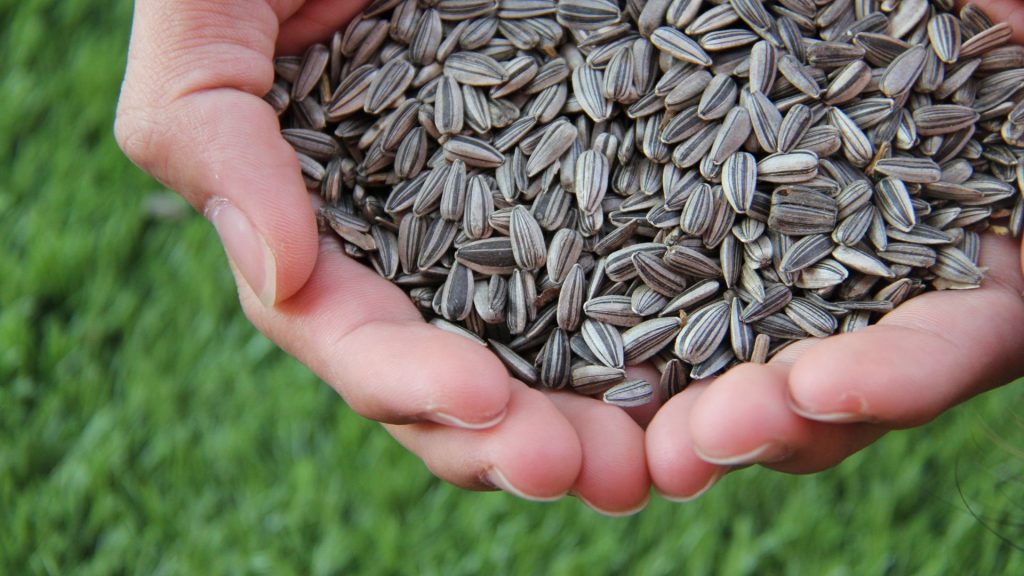
High quality sunflower seeds, Helianthus annuus, represent a crucial component of the global food supply, encompassing edible oil production, direct human consumption as a snack food, and increasingly, as a source of protein and valuable bioactive compounds. Their technical position within the agricultural supply chain sits at the intersection of agronomy, post-harvest processing, and food safety standards. Core performance characteristics are defined by oil content, protein profile, fatty acid composition, kernel size/density, and the absence of mycotoxins. A significant industry pain point revolves around maintaining genetic purity to ensure consistent oil yield and minimizing the risk of aflatoxin contamination during storage and processing, particularly in regions with high humidity. Another major concern is optimizing seed dormancy for consistent germination rates in various climate conditions. Finally, the increasing demand for non-GMO sunflower varieties necessitates rigorous traceability and quality control protocols throughout the entire production cycle.
Material Science & Manufacturing
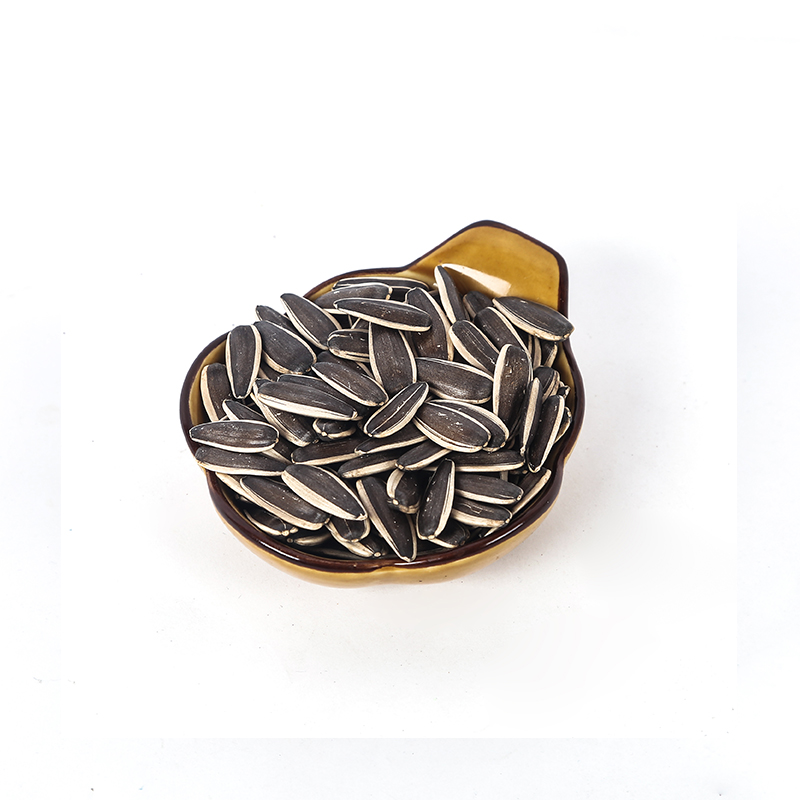
The primary raw material, the sunflower seed itself, comprises a hull (pericarp) containing roughly 20-30% of the seed’s weight, and a kernel (cotyledon) constituting 60-70%. The hull's composition is largely cellulose and lignin, providing structural integrity. The kernel is rich in oil (40-55%), proteins (18-25%), carbohydrates, and fiber. The oil primarily consists of triglycerides with varying proportions of linoleic acid, oleic acid, and palmitic acid – these fatty acid profiles dictate the oil's quality and suitability for various applications. Manufacturing begins with agronomic practices influencing seed composition. Post-harvest processing involves cleaning, drying (critical for preventing fungal growth and maintaining germination rates – typically to 8-10% moisture content), dehulling, and grading. Dehulling is achieved through mechanical processes utilizing impact and friction, requiring precise calibration to minimize kernel damage. Key parameters during drying include temperature control (typically below 45°C to preserve oil quality) and airflow to ensure uniform moisture reduction. Seed grading relies on size and density separation, often employing screens and air tables to categorize seeds based on quality. Storage conditions – temperature, humidity, and aeration – are paramount in preventing lipid oxidation and mycotoxin development. Advanced processing involves oil extraction via mechanical pressing or solvent extraction (typically hexane), followed by refining, bleaching, and deodorizing to achieve food-grade oil.
Performance & Engineering
The performance of sunflower seeds is intrinsically linked to their physical properties and chemical composition. Force analysis during dehulling necessitates understanding the fracture mechanics of the hull and kernel interface. Hull strength varies with variety and moisture content. Environmental resistance is a critical factor, specifically concerning seed viability and oil quality under varying temperature and humidity conditions. High humidity promotes fungal growth and mycotoxin production, while elevated temperatures accelerate lipid oxidation. Compliance requirements are extensive, including regulations set by the Food and Drug Administration (FDA) regarding mycotoxin limits (aflatoxins, ochratoxins) and labeling requirements for genetically modified organisms (GMOs). Functional implementation revolves around optimizing oil extraction efficiency, minimizing kernel damage during processing, and maintaining seed viability for agricultural applications. Seed coating technologies are increasingly employed to enhance germination rates, protect against pests and diseases, and deliver micronutrients. Furthermore, specialized packaging materials with controlled oxygen and moisture permeability are crucial for extending shelf life and preserving oil quality. Germination rate testing, standardized by organizations like the International Seed Testing Association (ISTA), provides a quantitative measure of seed performance.
Technical Specifications
| Parameter | Unit | Typical Value (High Quality Seeds) | Testing Method |
|---|---|---|---|
| Oil Content (Dry Basis) | % | 48-58 | AOAC Official Method 986.33 |
| Protein Content (Dry Basis) | % | 18-25 | Kjeldahl Method (AOAC 978.05) |
| Linoleic Acid Content | % of Total Fatty Acids | 50-70 | Gas Chromatography (GC-FID) |
| Oleic Acid Content | % of Total Fatty Acids | 15-40 | Gas Chromatography (GC-FID) |
| Moisture Content | % | 8-10 | Oven Drying Method (ISTA 7-2018) |
| Aflatoxin B1 (Maximum) | ppb | <20 | ELISA or HPLC |
Failure Mode & Maintenance
Failure modes in high quality sunflower seeds can manifest at several stages. During storage, the primary concern is lipid oxidation leading to rancidity and reduced oil quality. This is accelerated by exposure to oxygen, light, and high temperatures. Another critical failure mode is fungal contamination, particularly by Aspergillus species, resulting in aflatoxin production. This is prevalent in humid environments and poorly ventilated storage facilities. Kernel cracking during processing (dehulling, oil extraction) reduces oil yield and seed quality. Dehulling impacts can also cause micro-fractures leading to oil leakage. Loss of germination capacity is a significant failure mode for seeds intended for agricultural use, often resulting from improper drying or storage conditions. Maintenance solutions involve stringent quality control throughout the supply chain. This includes proper drying and cleaning of seeds, storage in temperature- and humidity-controlled environments (below 15°C and 65% RH), regular monitoring for aflatoxins and other mycotoxins, and the use of oxygen-impermeable packaging materials. Preventative maintenance of processing equipment (dehullers, extractors) is crucial to minimize kernel damage. Regular seed testing for germination rate and vigor is essential for maintaining agricultural quality. Implementing a robust Hazard Analysis and Critical Control Points (HACCP) system is vital for mitigating food safety risks.
Industry FAQ
Q: What are the key differences between high-oleic and high-linoleic sunflower oil in terms of stability and application?
A: High-oleic sunflower oil, containing predominantly oleic acid (typically >70%), exhibits significantly greater oxidative stability compared to high-linoleic sunflower oil. This is due to the single unsaturated bond in oleic acid, making it less susceptible to rancidity. High-oleic oil is ideal for frying and high-heat cooking applications due to its stability and neutral flavor. High-linoleic oil, rich in linoleic acid (typically >60%), is favored for salad dressings and other cold applications, offering a desirable flavor profile but with a shorter shelf life due to its susceptibility to oxidation.
Q: How is aflatoxin contamination monitored and controlled during sunflower seed production and storage?
A: Aflatoxin contamination is primarily monitored through regular sampling and testing using methods like ELISA (Enzyme-Linked Immunosorbent Assay) or HPLC (High-Performance Liquid Chromatography). Control measures include proper drying of seeds to reduce moisture content (below 8-10%), implementing good housekeeping practices in storage facilities to prevent mold growth, utilizing aeration systems to maintain consistent airflow, and applying antifungal treatments (where permitted by regulations). Suppliers must provide Certificates of Analysis verifying aflatoxin levels are below regulatory limits.
Q: What impact does the dehulling process have on the oil yield and quality of sunflower seeds?
A: The dehulling process significantly impacts both oil yield and quality. Inefficient dehulling, leading to excessive kernel damage, reduces oil yield and introduces free fatty acids, lowering oil quality. Optimal dehulling requires precise adjustment of impact and friction forces, minimizing kernel cracking. Gentle dehulling techniques, coupled with careful cleaning to remove hull fragments, maximize oil yield and preserve oil quality. Proper dehulling also removes compounds in the hull that can negatively affect oil flavor and color.
Q: What are the considerations when sourcing non-GMO sunflower seeds, and how can traceability be assured?
A: Sourcing non-GMO sunflower seeds requires verifying the seed’s lineage and ensuring segregation throughout the supply chain. This involves requesting documentation from suppliers, including seed certificates and affidavits attesting to non-GMO status. Traceability can be assured through a robust tracking system, from seed production to processing, utilizing lot numbers and maintaining detailed records. Third-party certification, such as the Non-GMO Project Verified, provides an additional layer of assurance.
Q: How do different storage conditions (temperature, humidity, packaging) affect the shelf life of sunflower seeds?
A: Storage conditions are critical for preserving seed quality and extending shelf life. Low temperature (below 15°C) significantly slows down lipid oxidation and fungal growth. Maintaining low humidity (below 65% RH) prevents mold development and preserves germination capacity. Oxygen-impermeable packaging, such as vacuum-sealed bags or modified atmosphere packaging, minimizes oxidation. Exposure to light should also be minimized as it can accelerate lipid degradation. Combining these factors – low temperature, low humidity, and oxygen barrier packaging – is essential for maximizing shelf life.
Conclusion
The production and quality control of high quality sunflower seeds are multifaceted, demanding careful attention to agronomic practices, post-harvest processing, and storage conditions. Maintaining optimal oil content, minimizing mycotoxin contamination, and ensuring genetic purity are paramount concerns for industry stakeholders. The technical specifications, encompassing oil and protein profiles, fatty acid composition, and moisture levels, serve as key indicators of product quality and suitability for various applications.
Future trends point towards increased demand for specialized sunflower varieties with enhanced nutritional profiles (e.g., higher vitamin E content) and improved agronomic traits (e.g., drought tolerance). The implementation of advanced monitoring technologies, such as hyperspectral imaging for rapid quality assessment and blockchain for enhanced traceability, will further optimize the sunflower seed supply chain. A continued focus on sustainable agricultural practices and stringent food safety standards will be essential for meeting the evolving needs of the global market.
