Introduction
High quality sunflower seeds ( Helianthus annuus ) represent a significant commodity within the agricultural and food processing industries. Their position in the value chain extends from agricultural production through oil extraction, confectionary applications, and animal feed. This guide provides an in-depth technical overview of sunflower seed quality parameters, manufacturing processes impacting seed performance, and critical considerations for procurement and application. Core performance characteristics encompass oil content, protein levels, hull percentage, germination rate, and freedom from contaminants. Industry pain points commonly revolve around inconsistent seed quality, mycotoxin presence, and challenges in maintaining genetic purity across large-scale production. The ability to consistently deliver seeds meeting stringent specifications is paramount for processors seeking optimized yield and product quality.
Material Science & Manufacturing
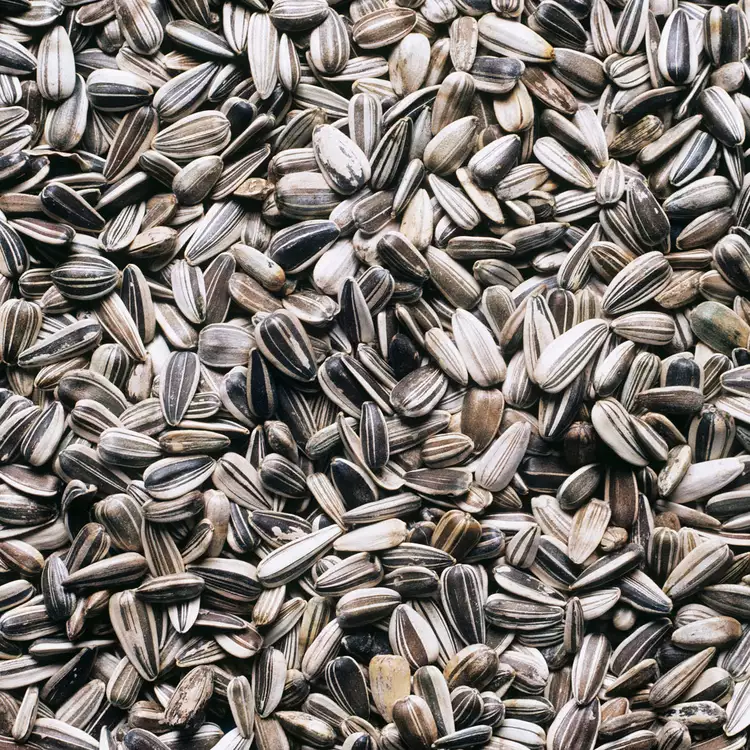
Sunflower seed composition is primarily governed by genetics, growing conditions, and post-harvest handling. The seed consists of the hull (pericarp, 30-50%), kernel (cotyledons, 40-60%), and embryo. The kernel is rich in oil (40-60%), primarily linoleic acid (C18:2) and oleic acid (C18:1), alongside proteins (18-25%) and fiber. Hull percentage directly impacts oil yield, with lower hull content being generally preferred. Raw material selection focuses on high-oleic or high-linoleic varieties based on intended application. Manufacturing begins with field harvesting, typically employing combine harvesters. Critical parameters during harvesting include minimizing mechanical damage to the seeds, controlling moisture content (ideally 8-10%), and preventing foreign material contamination. Post-harvest processing involves cleaning, drying, dehulling (for kernel production), and grading. Dehulling necessitates careful control of impact force and friction to maximize kernel recovery and minimize damage. Seed drying utilizes controlled-temperature airflow to reduce moisture content, preventing fungal growth and maintaining seed viability. Seed grading employs screens and air separators to remove undersized, oversized, and broken seeds, as well as foreign matter. Storage conditions, specifically temperature (below 15°C) and humidity (below 65%), are crucial to prevent lipid oxidation and maintain seed quality over extended periods.
Performance & Engineering
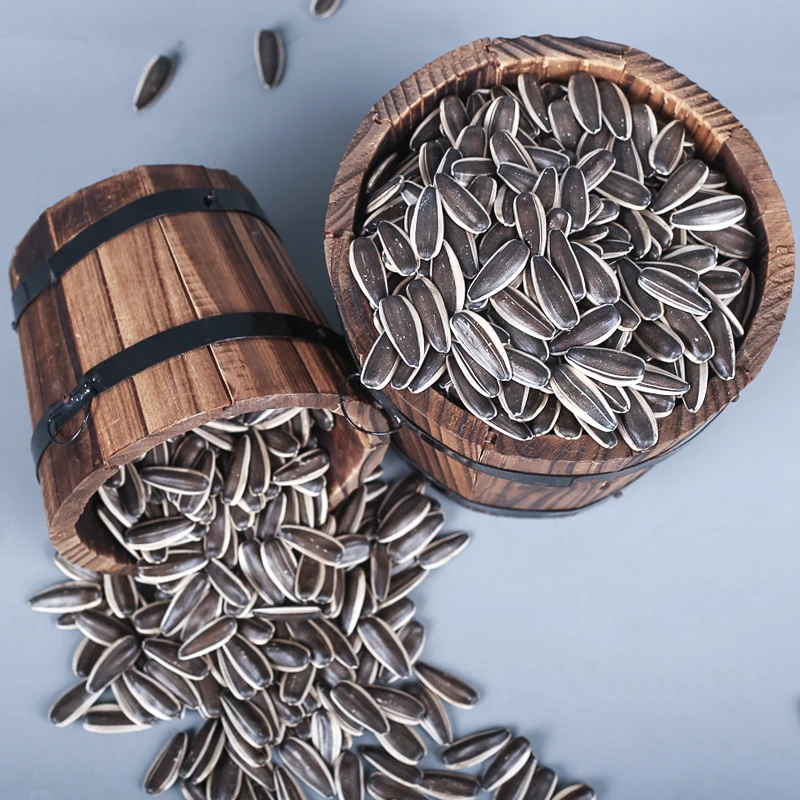
Sunflower seed performance is evaluated through several engineering metrics. Kernel hardness, measured using a penetrometer, correlates with oil extraction efficiency; harder kernels generally yield higher oil recovery. Seed density, determined through water displacement, is indicative of kernel fullness and maturity. Moisture content analysis, typically using a near-infrared (NIR) spectrophotometer, is critical for assessing storage stability. Germination rate, assessed through controlled laboratory conditions, quantifies seed viability for replanting purposes. Furthermore, the seeds’ resistance to cracking and chipping during handling and processing is vital. Force analysis during dehulling operations determines the optimal impact parameters to maximize kernel recovery while minimizing damage. Environmental resistance, specifically tolerance to temperature fluctuations and humidity, influences seed longevity during storage and transport. Compliance requirements vary by region, encompassing regulations pertaining to mycotoxin levels (aflatoxins, ochratoxins), pesticide residues, and genetically modified organism (GMO) labeling. Functional implementation involves optimizing seed size and shape for efficient processing in oil extraction plants or confectionary production lines.
Technical Specifications
| Parameter | Unit | High Quality Standard | Typical Range |
|---|---|---|---|
| Oil Content (Dry Basis) | % | ≥ 48% | 48 – 58% |
| Protein Content (Dry Basis) | % | ≥ 18% | 18 – 25% |
| Hull Percentage | % | ≤ 30% | 25 – 40% |
| Moisture Content | % | ≤ 9% | 8 – 12% |
| Germination Rate | % | ≥ 85% | 75 – 95% |
| Aflatoxin B1 | ppb | ≤ 20 ppb | 0 – 30 ppb |
Failure Mode & Maintenance
Sunflower seeds are susceptible to several failure modes. Lipid oxidation, driven by exposure to oxygen, light, and elevated temperatures, leads to rancidity and reduced oil quality. This can be mitigated by employing airtight storage containers and inert gas blanketing (nitrogen). Mycotoxin contamination, primarily from Aspergillus species, occurs during pre- and post-harvest stages, particularly in humid conditions. Strict adherence to proper drying and storage protocols is crucial. Mechanical damage during harvesting or processing can result in cracked kernels, increasing susceptibility to insect infestation and fungal growth. Fatigue cracking within the hull can occur due to repeated compression during handling. Infestation by storage pests (e.g., weevils, moths) leads to seed weight loss and quality degradation. Maintenance strategies involve regular inspection of storage facilities for pest activity, temperature and humidity monitoring, and implementation of preventative pest control measures. Seed treatment with appropriate fungicides may be necessary to prevent fungal growth during storage. Periodic laboratory analysis for mycotoxin levels and oil quality parameters is recommended.
Industry FAQ
Q: What is the significance of the oleic/linoleic acid ratio in sunflower seeds, and how does it impact processing?
A: The oleic/linoleic acid ratio directly affects the oxidative stability of the oil. High-oleic seeds produce oil with greater resistance to oxidation, extending shelf life and reducing the need for hydrogenation. This impacts processing by simplifying refining procedures and improving the final product's quality. High-linoleic oil, while more prone to oxidation, is preferred for certain applications requiring specific fatty acid profiles.
Q: How do different harvesting methods influence seed quality and yield?
A: Combine harvesting, while efficient, can cause mechanical damage to seeds if not properly calibrated. Direct combining (harvesting without swathing) is faster but increases the risk of seed damage and foreign material contamination. Swathing allows for controlled drying in the field before combining, reducing moisture content and improving seed quality, albeit at a higher cost.
Q: What are the critical control points for preventing aflatoxin contamination?
A: Critical control points include minimizing insect damage in the field, ensuring rapid and thorough drying after harvest, maintaining low storage humidity, and implementing regular sanitation practices in storage facilities. Regular testing for aflatoxin levels is essential throughout the supply chain.
Q: How does seed size distribution affect oil extraction efficiency?
A: A uniform seed size distribution optimizes oil extraction efficiency. A high proportion of broken or undersized seeds can lead to increased fines during extraction, reducing oil yield and increasing processing costs. Proper grading to remove oversized and undersized seeds is therefore crucial.
Q: What are the implications of GMO sunflower seed varieties for export markets?
A: Many export markets have strict regulations regarding GMO labeling and acceptance. Suppliers must clearly identify whether seeds are genetically modified and comply with the specific import requirements of the target country. Non-GMO certification may be required to access certain markets.
Conclusion
The quality of sunflower seeds is a multifaceted characteristic determined by genetics, agronomic practices, and post-harvest handling. Maintaining optimal oil content, minimizing hull percentage, and ensuring freedom from contaminants are critical for maximizing value throughout the supply chain. Effective quality control measures, encompassing rigorous testing and adherence to international standards, are essential for meeting the demanding requirements of processors and consumers.
Future trends in sunflower seed technology focus on developing varieties with enhanced oil quality (e.g., higher oleic acid content), improved disease resistance, and greater tolerance to environmental stresses. Furthermore, advancements in harvesting and processing technologies aim to minimize seed damage and optimize oil extraction efficiency. Continuous monitoring of regulatory changes and evolving consumer preferences will be crucial for ensuring the long-term sustainability of the sunflower seed industry.
