Introduction
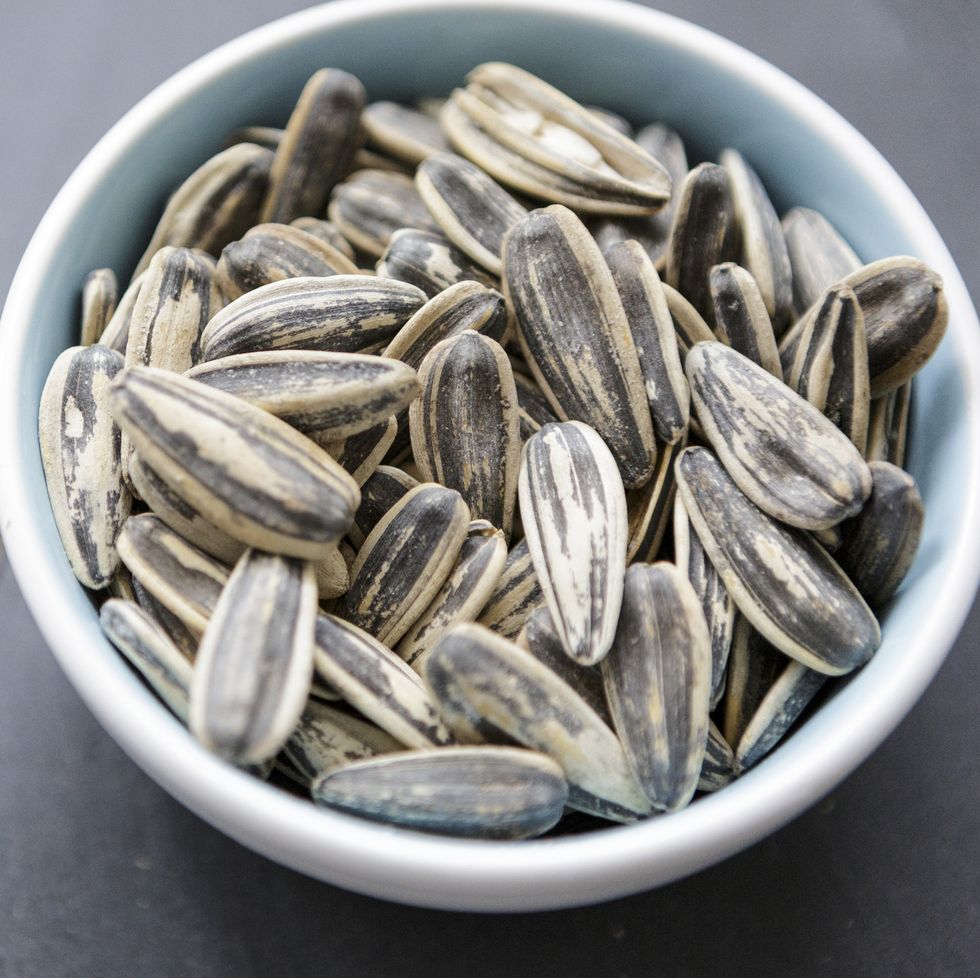
High quality sunflower seeds for sale in bulk represent a critical input commodity within the agricultural processing sector, extending its influence across food production, animal feed, and increasingly, biofuel industries. This technical guide details the characteristics defining seed quality, the manufacturing processes influencing performance, and crucial considerations for procurement, storage, and application. Sunflower seeds ( Helianthus annuus ) are categorized by oil content, kernel size, and hull percentage, all of which significantly impact downstream processing efficiency and final product quality. Meeting stringent international standards and consistent performance expectations requires a thorough understanding of the seed's biological attributes, mechanical properties, and potential degradation pathways. The global sunflower seed market demands consistent quality and traceability, making a comprehensive technical assessment vital for bulk purchasers.
Material Science & Manufacturing
Sunflower seed composition is predominantly comprised of oil (40-55%), protein (18-25%), carbohydrates (15-20%), and fiber (5-10%), with minor components contributing to flavor and nutritional value. The oil’s fatty acid profile – linoleic, oleic, and palmitic acids – dictates its suitability for various applications. Raw material selection emphasizes varieties exhibiting high oleic acid content for improved oxidative stability. Manufacturing commences with field cultivation, emphasizing proper soil composition, irrigation, and pest control. Post-harvest processing involves cleaning, drying, dehulling (depending on end use), and grading. Drying is critical, typically utilizing controlled-temperature air dryers to reduce moisture content from 20-25% to 8-10%, preventing fungal growth and preserving germination rates. Dehulling impacts oil extraction efficiency and affects the final product's appearance and texture. Seed grading employs sieving and density separation techniques to classify seeds based on size, weight, and shape. The precision of these processes, controlled by parameters like drying temperature, dehulling pressure, and sieve aperture size, directly determines the final seed quality and yield. Contamination from mycotoxins (aflatoxins, ochratoxins) is a significant concern, necessitating rigorous quality control measures throughout the entire process.

Performance & Engineering
The performance of sunflower seeds, particularly in oil extraction, is dictated by several engineering principles. Kernel hardness, assessed through impact resistance testing (typically using a Shatterometer), influences milling efficiency and oil yield. Hull strength dictates dehulling efficiency and minimizes kernel damage. Moisture content impacts the efficacy of mechanical pressing and solvent extraction processes. The oil extraction process involves applying force to rupture the oil-bearing cells within the kernel. Mechanical pressing generates heat, which can degrade oil quality; therefore, temperature control is paramount. Solvent extraction (typically using hexane) requires careful monitoring of solvent residues to comply with food safety regulations. Furthermore, the seed's physical properties impact storage stability. Bulk storage requires optimized ventilation to prevent temperature gradients and moisture condensation, mitigating the risk of spoilage and insect infestation. The seeds' bulk density (typically 650-750 kg/m³) is crucial for silo design and material handling systems. Resistance to cracking and chipping during transport is also a key performance indicator, influencing product loss and overall economic viability.
Technical Specifications
| Parameter | Unit | Specification (High Quality Seeds) | Testing Method |
|---|---|---|---|
| Oil Content | % (Dry Weight Basis) | 48-55 | Soxhlet Extraction (AOCS Official Method) |
| Moisture Content | % | 8-10 | Oven Drying (AACC Method 925) |
| Kernel Content | % | 60-70 | Visual Inspection & Weighing |
| Hull Content | % | 20-30 | Visual Inspection & Weighing |
| Broken Kernels | % | < 2 | Visual Inspection & Sieving |
| Foreign Matter | % | < 1 | Visual Inspection & Sieving |
Failure Mode & Maintenance
Sunflower seeds are susceptible to several failure modes during storage and processing. Lipid oxidation, leading to rancidity, is a primary concern, accelerated by exposure to oxygen, light, and elevated temperatures. The presence of unsaturated fatty acids makes the oil particularly vulnerable. Insect infestation (e.g., Sitophilus oryzae) can cause significant damage, reducing seed quality and introducing contaminants. Fungal growth, especially Aspergillus flavus and Aspergillus parasiticus, results in mycotoxin contamination, posing a serious health risk. Mechanical damage during handling and processing (cracking, chipping) reduces oil yield and increases fines. Prolonged storage without proper aeration can lead to self-heating and combustion. Maintenance strategies include implementing a strict storage protocol: maintaining low temperatures (below 15°C), controlling humidity (below 65%), ensuring adequate ventilation, and employing insect monitoring and control programs. Regular testing for mycotoxins and lipid oxidation levels is essential. Implementing a first-in, first-out (FIFO) inventory management system minimizes storage duration and reduces the risk of spoilage. Proper cleaning and sanitation of processing equipment prevent cross-contamination and maintain product integrity.
Industry FAQ
Q: What is the significance of the oleic acid content in sunflower seeds?
A: Higher oleic acid content (>70%) provides superior oxidative stability, resulting in a longer shelf life for the extracted oil. This is particularly important for applications requiring high-temperature processing or prolonged storage, such as frying oils and biofuels. Seeds with high oleic acid are less prone to rancidity and maintain better flavor profiles.
Q: What are the key indicators of seed viability for planting purposes?
A: Germination rate, determined through standardized germination tests (ISTA standards), is the primary indicator of viability. Seedling vigor, assessed by measuring root and shoot length, reflects the seed's ability to establish quickly. Moisture content is also crucial, as seeds that are too dry or too moist may exhibit reduced germination rates.
Q: What are the acceptable limits for mycotoxin contamination?
A: Regulatory limits for aflatoxins vary by country. The European Union sets a maximum permissible level of 2 ppb (parts per billion) for total aflatoxins in sunflower seeds. The US FDA has established action levels for aflatoxins in edible oils derived from sunflower seeds. Regular testing using ELISA or HPLC methods is crucial to ensure compliance.
Q: How does dehulling impact the quality of sunflower oil?
A: Dehulling increases the oil yield by removing the outer hull, which contains minimal oil. It also improves the oil's color and clarity, reducing the need for further refining. However, improper dehulling can damage the kernel, releasing free fatty acids and reducing oil quality.
Q: What are the optimal storage conditions for maintaining seed quality over extended periods?
A: The optimal conditions are a cool, dry, and well-ventilated environment. Maintaining a temperature below 15°C and a relative humidity below 65% is recommended. Seeds should be stored in airtight containers or silos to prevent moisture absorption and insect infestation. Regular monitoring of temperature, humidity, and pest activity is essential.
Conclusion
The quality of sunflower seeds for bulk sale is a multifaceted attribute determined by biological characteristics, meticulous manufacturing processes, and stringent quality control measures. Understanding the interplay between oil content, moisture levels, kernel integrity, and the potential for contamination is crucial for maximizing downstream processing efficiency and ensuring product safety. A thorough technical assessment, guided by internationally recognized standards and analytical methodologies, is essential for informed procurement and successful utilization.
Future developments will likely focus on breeding programs for increased oil yield, enhanced disease resistance, and improved fatty acid profiles. Advancements in storage technologies, such as modified atmosphere packaging and controlled humidity silos, will further enhance seed preservation. Continued refinement of analytical techniques for rapid and accurate quality assessment will be critical for maintaining the integrity of the sunflower seed supply chain.
