Introduction
High quality sunflower seeds for oil making represent a critical input material within the edible oil processing industry. Positioned upstream in the value chain, the seeds' characteristics dictate both the efficiency of oil extraction and the quality of the resultant oil. The primary performance indicators are oil yield (%), protein content (%), moisture content (%), and levels of free fatty acids (FFA). Contemporary agricultural practices increasingly focus on maximizing oleic acid content within sunflower oil, impacting its stability and health benefits. This guide provides a comprehensive technical overview of sunflower seed quality for oil production, encompassing material science, manufacturing considerations, performance parameters, potential failure modes, and relevant industry standards. Current market demands necessitate consistent seed quality to meet stringent food safety regulations and evolving consumer preferences for healthier oil options. The economic viability of oil production is heavily reliant on minimizing seed impurities and maximizing oil content, making a thorough understanding of these factors essential.
Material Science & Manufacturing
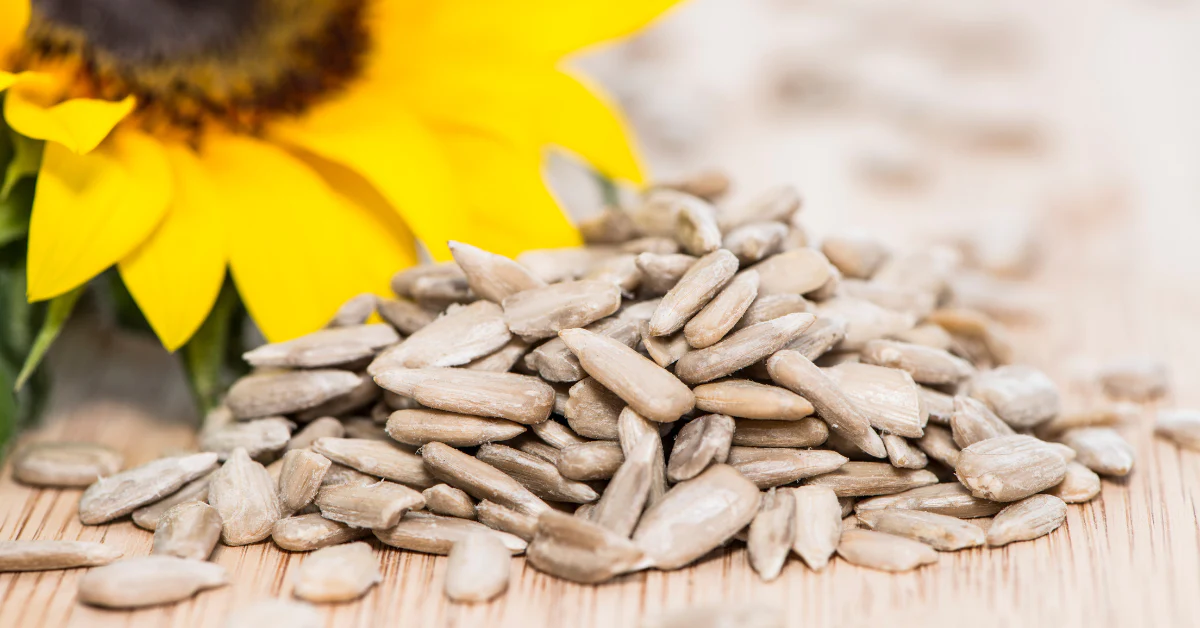
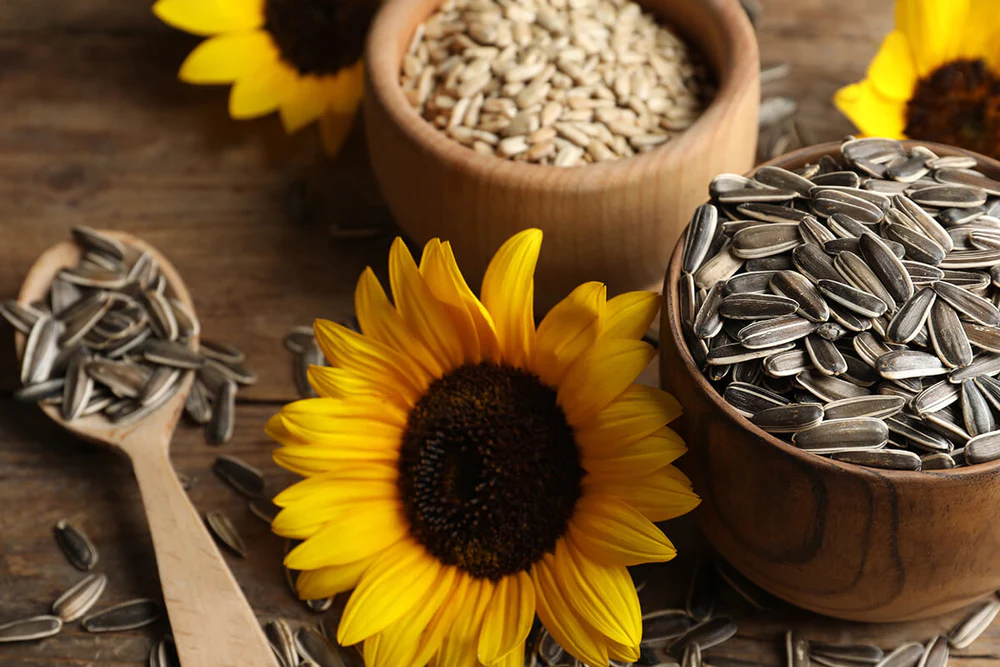
Sunflower seeds ( Helianthus annuus) are comprised of a hull (pericarp), kernel (cotyledons), and embryo. The hull constitutes approximately 20-30% of the seed’s weight and offers structural protection, while the kernel contains the majority of the oil (40-55% by weight). The oil itself is primarily composed of triglycerides, with varying proportions of linoleic acid, oleic acid, palmitic acid, and stearic acid. Raw material quality begins with genetic selection; modern cultivars are bred for high oleic and linoleic acid content, influencing oil stability and nutritional profile. Seed maturity at harvest is paramount. Premature harvesting results in high moisture content, promoting microbial growth and enzymatic degradation leading to increased FFA levels. Over-maturity, conversely, can lead to kernel cracking and increased susceptibility to weathering. Manufacturing processes include cleaning (removing debris, stems, leaves), dehulling (separating the hull from the kernel – impact dehullers and rubber roll dehullers are common), drying (reducing moisture content to ~9% for storage stability – often using fluid bed dryers), and pre-pressing or direct solvent extraction (hexane is the predominant solvent). Critical parameter control during drying involves temperature regulation (below 60°C to prevent protein denaturation) and airflow to ensure uniform moisture removal. Dehulling efficiency directly impacts oil yield, as the hull contributes negligible oil content and increases processing costs. Kernel density and size are also crucial, influencing pressing efficiency and solvent penetration.
Performance & Engineering
The performance of sunflower seeds in oil extraction is governed by several engineering principles. Shear stress analysis is crucial in optimizing pressing operations. Insufficient pressure yields incomplete oil release, while excessive pressure can cause kernel fracturing and increased fines production, hindering oil clarity. Environmental resistance during storage is primarily determined by moisture content and oxygen permeability. High moisture content accelerates lipid oxidation, leading to rancidity and reduced oil quality. Oxygen exposure promotes oxidative degradation of unsaturated fatty acids. Controlled atmosphere storage (nitrogen blanketing) and the addition of antioxidants (e.g., tocopherols) are employed to mitigate these effects. Compliance requirements related to seed quality stem from food safety standards (e.g., HACCP) and regulations concerning pesticide residues and mycotoxin levels. FFA levels must be maintained below permissible limits to prevent saponification during refining. Functional implementation focuses on maximizing oil recovery rate (typically 80-95% for well-processed seeds) and minimizing residual oil content in the seed cake (by-product). The oil's refractive index, viscosity, and color are all directly influenced by the seed’s composition and processing conditions. Force analysis during dehulling operations determines the optimal roll gap and pressure to minimize kernel damage and maximize hull removal.
Technical Specifications
| Parameter | Unit | High Quality Specification | Acceptable Range |
|---|---|---|---|
| Oil Content (Dry Basis) | % | >50 | 48-55 |
| Moisture Content | % | <9 | 9-11 |
| Free Fatty Acids (FFA) | % | <1.0 | 1.0-2.0 |
| Kernel Damage (Broken Kernels) | % | <3 | 3-5 |
| Hull Content | % | <5 | 5-8 |
| Impurities (Stems, Leaves, etc.) | % | <1 | 1-2 |
Failure Mode & Maintenance
Failure modes in sunflower seed quality for oil production manifest in several ways. Fatigue cracking of the kernel during handling and processing leads to increased fines and reduced oil yield. This is often exacerbated by improper drying and storage conditions. Delamination of the kernel can occur if moisture content fluctuates significantly, weakening the cellular structure. Degradation of the oil itself is a primary concern, driven by enzymatic hydrolysis (resulting in increased FFA) and lipid oxidation (leading to rancidity). Oxidation is accelerated by light, heat, and metal contaminants. Oxidation of unsaturated fatty acids causes color darkening, off-flavors, and reduced nutritional value. Microbial contamination (molds, yeasts) can produce mycotoxins, rendering the seeds unfit for consumption. Maintenance strategies involve strict adherence to recommended storage conditions (cool, dry, dark), regular monitoring of seed quality parameters (moisture, FFA, peroxide value), and implementation of preventative measures to minimize contamination. Proper cleaning of processing equipment is crucial to remove residual oil and prevent microbial growth. Seed storage facilities should be sealed and ventilated to control humidity and temperature. Regular inspection for insect infestation is also essential. The use of appropriate packaging materials (e.g., moisture-proof bags) can extend shelf life and maintain seed quality.
Industry FAQ
Q: What is the impact of varying linoleic/oleic acid ratios on oil stability and refining requirements?
A: Higher oleic acid content significantly improves oxidative stability, reducing the need for extensive refining processes like bleaching and deodorization. Oils with high linoleic acid content are more prone to oxidation and require more aggressive refining to remove peroxides and improve shelf life. The refining process impacts the final oil cost and quality.
Q: How do different dehulling methods affect oil yield and the presence of hull fragments in the kernel?
A: Impact dehullers generally yield a higher throughput but can cause more kernel damage, leading to increased fines. Rubber roll dehullers are gentler but may have lower throughput. The presence of hull fragments reduces oil yield and requires additional cleaning steps. Proper roll pressure and maintenance are critical for optimizing rubber roll dehuller performance.
Q: What are the acceptable limits for pesticide residues and mycotoxins in sunflower seeds intended for oil production, and how are these monitored?
A: Acceptable limits vary by country and are regulated by food safety authorities. Monitoring involves periodic sampling and laboratory analysis using techniques such as gas chromatography-mass spectrometry (GC-MS) for pesticides and enzyme-linked immunosorbent assay (ELISA) for mycotoxins. Compliance with these regulations is crucial for international trade.
Q: What is the optimal moisture content for long-term storage of sunflower seeds, and what are the consequences of exceeding this limit?
A: The optimal moisture content for long-term storage is <9%. Exceeding this limit promotes microbial growth, enzymatic activity, and lipid oxidation, leading to reduced oil quality, increased FFA levels, and potential mycotoxin formation. Controlled atmosphere storage can mitigate the risks associated with slightly elevated moisture levels.
Q: How does the initial genetic quality of the sunflower seeds impact the final oil yield and fatty acid profile?
A: Genetic quality is the foundational factor influencing oil yield and fatty acid composition. Breeders continually develop cultivars with improved oil content, optimized fatty acid profiles (e.g., high oleic), and increased resistance to diseases. Selecting seeds from reputable suppliers with documented genetic traits is essential for consistent oil quality and maximized production efficiency.
Conclusion
The production of high-quality sunflower oil is inextricably linked to the quality of the input seeds. A thorough understanding of the material science, manufacturing processes, and performance parameters discussed in this guide is crucial for optimizing oil yield, maintaining oil stability, and ensuring compliance with stringent food safety regulations. Factors such as seed maturity, moisture content, kernel damage, and fatty acid composition all play critical roles in determining the final oil quality.
Looking forward, advancements in seed breeding and processing technologies will continue to drive improvements in sunflower oil production. The implementation of advanced monitoring systems and predictive analytics can further enhance quality control and minimize waste. Prioritizing sustainable agricultural practices and efficient processing methods will be essential for meeting the growing global demand for healthy and sustainable edible oils.
