Introduction
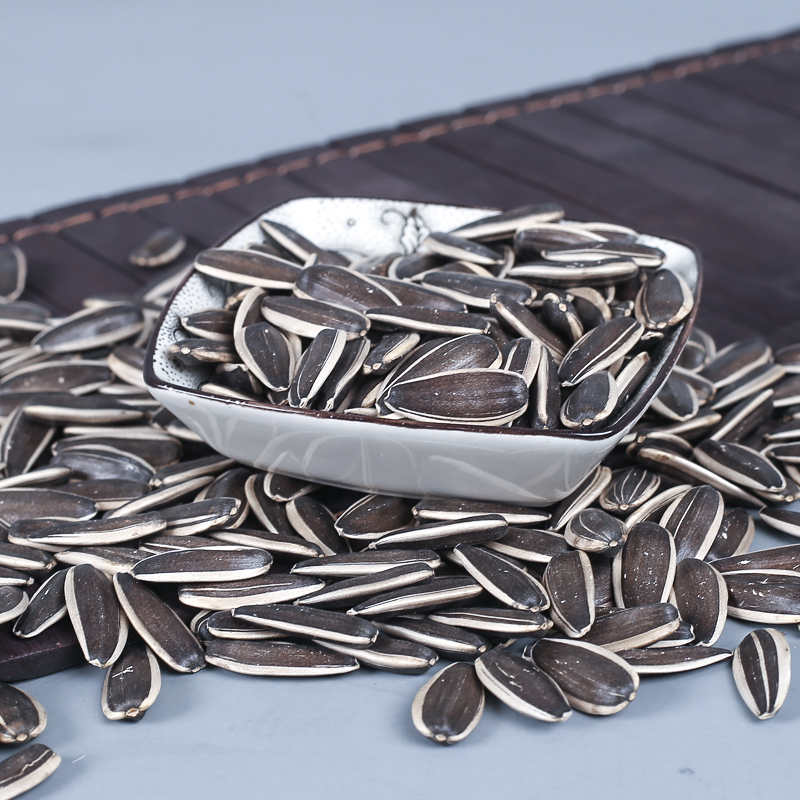
Sunflower seeds ( Helianthus annuus L.) represent a significant oilseed crop and direct human food source globally. This guide details the technical aspects of high-quality sunflower seeds intended for human consumption, encompassing the agronomic factors influencing seed composition, processing techniques to ensure safety and nutritional value, and quality control parameters essential for compliance with international food safety standards. The current market demand necessitates seeds with high oil content, optimal protein profiles, and minimized levels of anti-nutritional factors. Core performance characteristics focus on oil yield, protein content, fatty acid profile (specifically linoleic and oleic acid ratios), and the absence of mycotoxins. The industry's primary pain points involve seed dormancy issues leading to inconsistent germination rates, susceptibility to fungal contamination during storage, and maintaining genetic purity for desired trait expression. This guide addresses these concerns by outlining best practices throughout the production chain.
Material Science & Manufacturing
Sunflower seeds are composed primarily of lipids (40-50%), proteins (18-25%), carbohydrates (15-20%), and fiber (5-10%), with moisture content typically around 10-12%. The lipid component is predominantly triglycerides, with fatty acid profiles varying depending on the sunflower variety – high linoleic, mid-oleic, or high-oleic. Protein composition includes globulins, albumins, and prolamins, influencing digestibility and allergenicity. The seed coat, or hull, consists of cellulose, hemicellulose, and lignin, providing physical protection and affecting oil extraction efficiency. Manufacturing begins with selecting high-yielding hybrid varieties bred for specific oil profiles and disease resistance. Cultivation practices, including soil nutrient management and irrigation, impact seed composition. Harvesting is critical, with optimal timing minimizing field losses and moisture content. Post-harvest processing involves cleaning, drying (to 8-9% moisture for safe storage), dehulling (optional, depending on intended use), and grading based on size and quality. Dehulling impacts the fatty acid profile, potentially decreasing linoleic acid content due to oxidation during abrasion. Parameter control during drying is vital; temperatures exceeding 50°C can degrade oil quality and reduce germination rates. Hull content significantly influences oil extraction efficiency; lower hull content correlates with higher oil yields. Further processing includes oil extraction (mechanical pressing or solvent extraction) and refining for edible oil production. Seed conditioning – including drying, cleaning, and grading – is critical to maintain seed viability for direct consumption or further processing.
Performance & Engineering
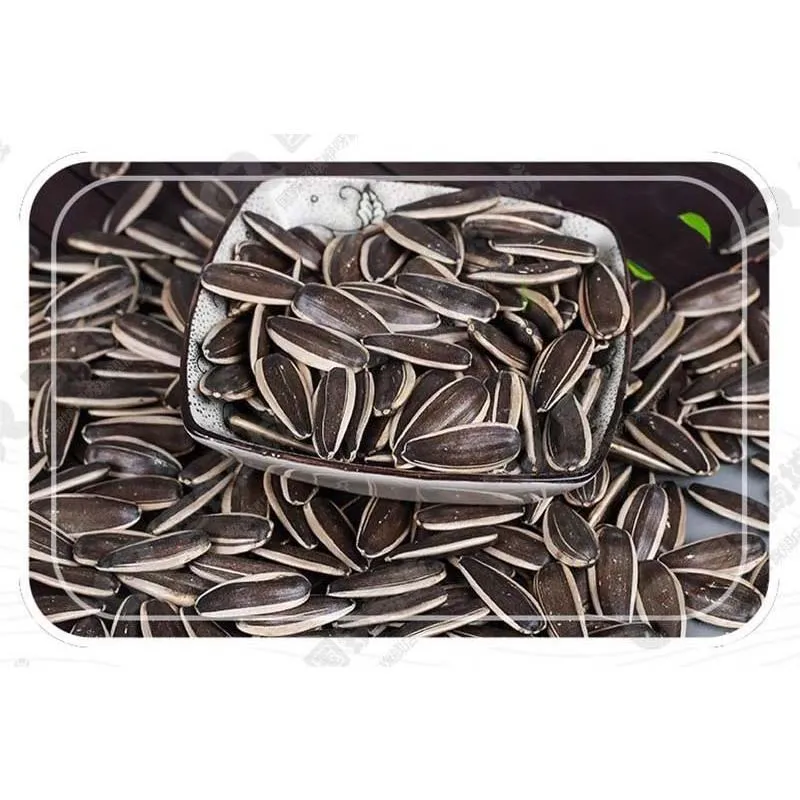
Performance evaluation of sunflower seeds centers on oil yield, protein content, and fatty acid composition. Oil yield is directly related to seed size and density; larger, denser seeds typically contain more oil. Protein content affects the nutritional value and suitability for food applications. Fatty acid profiles are engineered through breeding programs to maximize desirable traits – high oleic acid content for improved oxidative stability, or balanced linoleic and oleic acid ratios for optimal nutritional benefits. Environmental resistance, particularly to drought and fungal pathogens (e.g., Sclerotinia sclerotiorum, Botrytis cinerea), is crucial for maintaining yield and quality. Force analysis during harvesting and processing determines mechanical damage rates; minimizing cracking and splitting is essential to prevent oil leakage and maintain seed integrity. Compliance requirements, governed by food safety regulations (see Section 7), dictate allowable levels of contaminants (heavy metals, pesticides) and mycotoxins (aflatoxins, ochratoxins). Functional implementation focuses on optimizing oil extraction processes – mechanical pressing efficiency, solvent extraction rates, and refining techniques – to maximize oil recovery and minimize waste. Seed dormancy, regulated by abscisic acid (ABA) levels, influences storage life and germination; controlling ABA levels through controlled drying and storage conditions is critical.
Technical Specifications
| Parameter | Unit | High-Quality Specification | Testing Method |
|---|---|---|---|
| Oil Content (Dry Basis) | % | ≥ 40 | Soxhlet Extraction (AOCS Am 2-91) |
| Protein Content (Dry Basis) | % | ≥ 18 | Kjeldahl Method (AOCS Am 2-91) |
| Linoleic Acid (%) | % of Total Fatty Acids | 50-70 (depending on variety) | Gas Chromatography (AOCS Cd 14-91) |
| Oleic Acid (%) | % of Total Fatty Acids | ≤ 30 (high linoleic) or ≥ 60 (high oleic) | Gas Chromatography (AOCS Cd 14-91) |
| Moisture Content | % | ≤ 9 | Oven Drying Method (AOCS Ca 14-91) |
| Aflatoxin B1 | ppb | ≤ 2 | ELISA or HPLC |
Failure Mode & Maintenance
Sunflower seeds are susceptible to several failure modes. Lipid oxidation, leading to rancidity, is a primary concern during storage, accelerated by high temperatures, light exposure, and moisture. This manifests as off-flavors and reduced nutritional value. Fungal contamination, particularly by Aspergillus species, can result in aflatoxin production, rendering the seeds unfit for human consumption. Mechanical damage during harvesting and processing (cracking, chipping) increases susceptibility to fungal invasion and oil leakage. Seed dormancy issues, stemming from inadequate drying or genetic factors, can lead to reduced germination rates and inconsistent oil content. Insect infestation (e.g., storage beetles) causes direct seed damage and contamination. Maintenance involves strict control of storage conditions – low temperature (≤15°C), low humidity (≤65%), and darkness. Proper cleaning and disinfection of storage facilities are essential. Regular monitoring for aflatoxin levels and insect infestation is critical. Implementing robust quality control procedures throughout the production chain, from field to storage, minimizes the risk of failure. Packaging in moisture-proof, oxygen-barrier materials extends shelf life. Preventative fungicide application during crop growth, following regulatory guidelines, can mitigate fungal contamination risks. Periodic aeration of seed bulks in storage prevents moisture buildup and localized heating.
Industry FAQ
Q: What is the impact of seed dehulling on oil quality and shelf life?
A: Dehulling removes the seed coat, reducing fiber content and potentially increasing oil yield. However, the dehulling process can generate heat and expose the seed kernel to oxygen, accelerating lipid oxidation and reducing shelf life. High-oleic sunflower seeds are less susceptible to oxidation, making them a preferable choice when dehulling is necessary.
Q: How does the fatty acid profile affect the suitability of sunflower seeds for different food applications?
A: High-linoleic sunflower seeds are commonly used in salad oils and margarines due to their essential fatty acid content. High-oleic sunflower seeds offer improved oxidative stability and are ideal for frying and baking applications. The fatty acid profile also influences the texture and flavor of processed foods.
Q: What are the critical control points for minimizing aflatoxin contamination?
A: Critical control points include proper drying of seeds post-harvest to below 9% moisture, preventing physical damage during handling, ensuring storage facilities are clean and free of pests, and implementing regular aflatoxin testing programs. Pre-harvest fungicide applications can also help reduce fungal growth.
Q: What are the optimal storage conditions for maintaining sunflower seed quality over extended periods?
A: Optimal storage conditions include a temperature of ≤15°C, relative humidity of ≤65%, and protection from light. Seeds should be stored in airtight, moisture-proof containers or silos with appropriate ventilation systems to prevent moisture buildup and condensation.
Q: How do different harvesting methods impact seed quality and oil content?
A: Direct combining generally results in higher moisture content and increased mechanical damage compared to two-stage harvesting (swathing followed by combining). Minimizing mechanical damage and ensuring rapid drying after harvest are crucial for preserving seed quality and oil content. Proper combine settings are essential to reduce seed cracking.
Conclusion
The production of high-quality sunflower seeds for human consumption demands a comprehensive understanding of the underlying material science, agronomic practices, and processing techniques. Maintaining optimal oil content, protein levels, and fatty acid profiles, while minimizing contamination risks and mechanical damage, are paramount. Adhering to stringent quality control protocols throughout the entire supply chain is essential for ensuring product safety and meeting international standards.
Future advancements in breeding programs will continue to focus on enhancing disease resistance, improving oil quality, and increasing yield potential. The adoption of precision agriculture technologies – including sensor-based monitoring of seed moisture and quality – will further optimize production efficiency and minimize waste. Continued research into novel storage technologies and packaging materials will extend shelf life and preserve nutritional value, ultimately benefiting both producers and consumers.
