Introduction
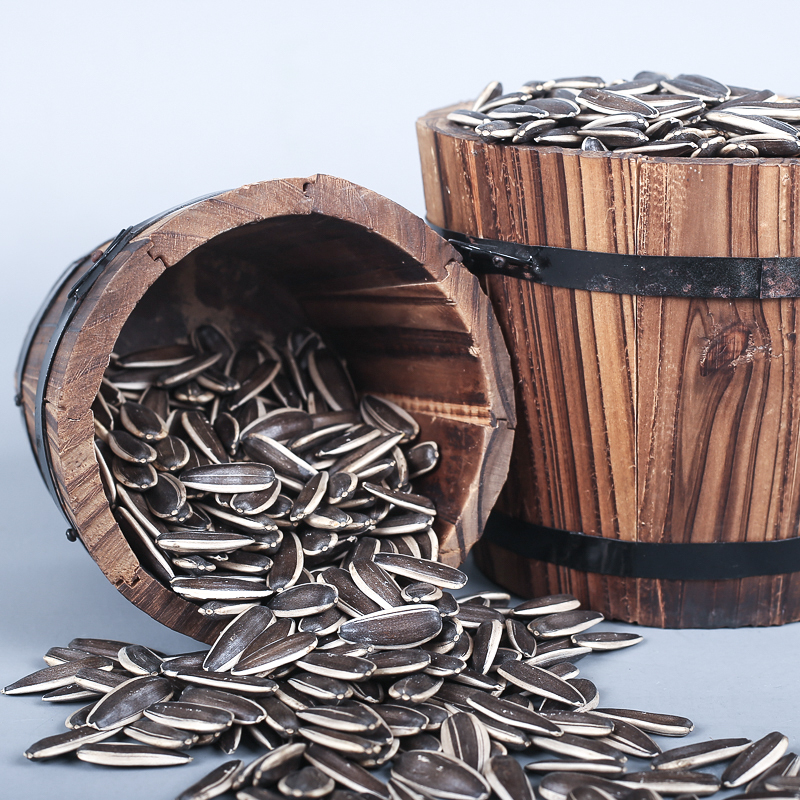
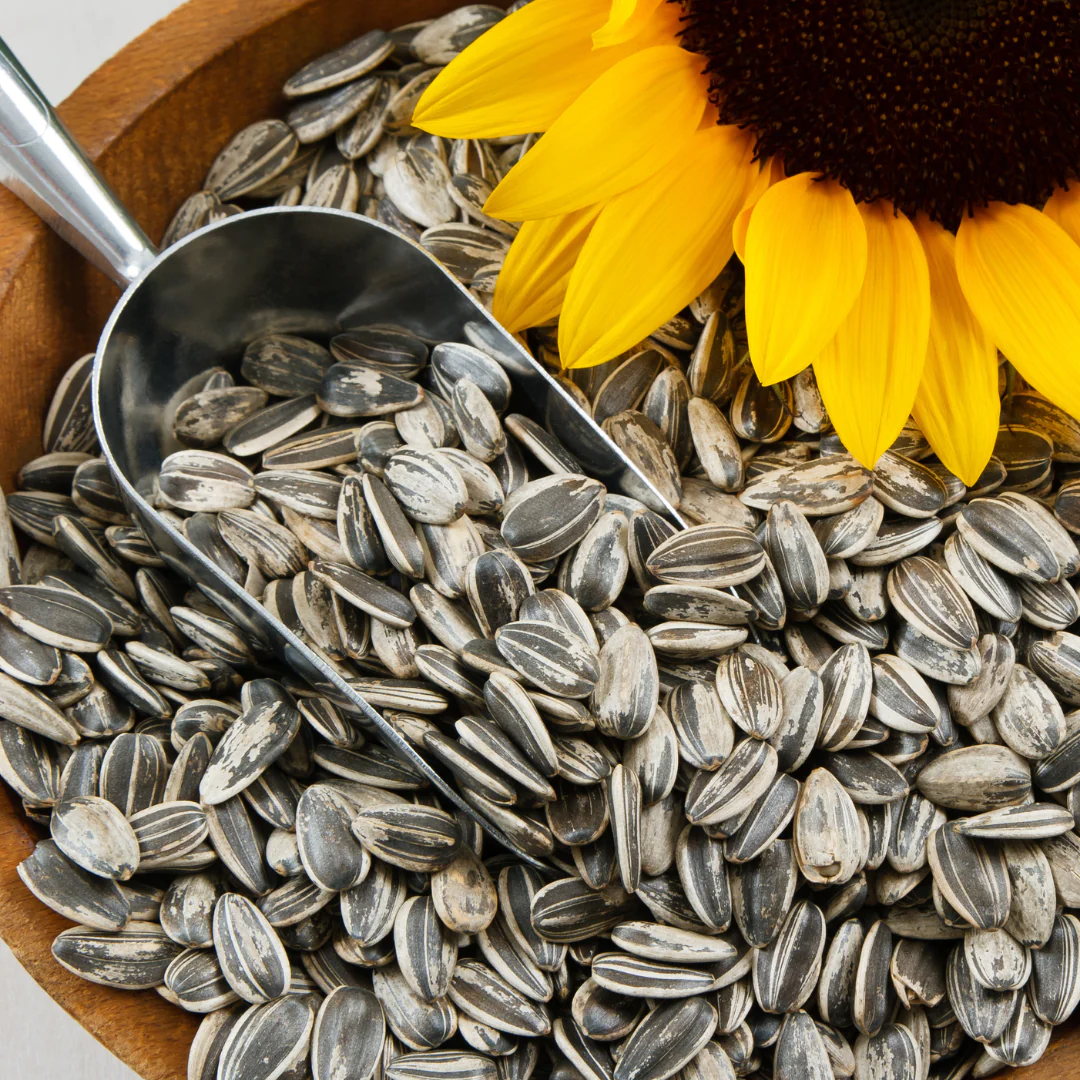
High quality sunflower seeds for eating ( Helianthus annuus) represent a significant sector within the global edible seed market. Positioned between agricultural commodity production and consumer packaged goods, these seeds undergo specific processing to optimize palatability, nutritional value, and shelf-life. Sunflower seeds, unlike oilseed varieties primarily destined for oil extraction, are selected for kernel size, hull characteristics (particularly thin hull varieties facilitating consumption), and flavor profile. Core performance indicators for eating sunflower seeds include kernel weight, oil content (influencing flavor and texture), moisture content (critical for storage stability), and absence of defects like underdeveloped kernels or foreign matter. A key industry pain point centers around maintaining consistent kernel quality across varying growing seasons and geographical origins, impacting consumer perception and brand reputation. Another significant challenge is minimizing acrylamide formation during roasting, requiring precise temperature and time control during processing.
Material Science & Manufacturing
The primary raw material, the sunflower seed itself, is composed of approximately 20-40% kernel, 30-50% hull, and 10-20% moisture, varying with cultivar and maturity. The kernel is rich in lipids (40-50% oil content, primarily linoleic acid), proteins (20-25%), carbohydrates (15-20%), and essential minerals like magnesium and vitamin E. Hull composition consists mainly of cellulose, hemicellulose, and lignin, providing structural integrity. Manufacturing commences with harvesting, followed by drying to a target moisture content of 8-10% to prevent mold growth and enzymatic degradation. This typically involves forced-air drying, carefully controlled to avoid excessive heat which can damage oil quality. Subsequent stages include dehulling, which can be mechanical (abrasive dehulling) or chemical (using dilute alkali solutions, less common due to residue concerns). Thin-hulled varieties are preferred for direct consumption, minimizing processing requirements. Roasting is crucial for flavor development, employing hot air or drum roasting. Critical parameters include temperature (140-180°C) and duration (20-40 minutes), impacting acrylamide formation and overall flavor profile. Finally, seasoning (salt, spices) is applied, followed by packaging in moisture-barrier materials (see Performance & Engineering section).
Performance & Engineering
Performance evaluation of eating sunflower seeds extends beyond taste and texture. Key engineering considerations include packaging barrier properties to prevent rancidity caused by lipid oxidation. Oxygen Transmission Rate (OTR) and Water Vapor Transmission Rate (WVTR) are paramount. Packaging materials, commonly multi-layer films incorporating polyethylene terephthalate (PET) for strength, aluminum foil for oxygen barrier, and polyethylene (PE) for sealing, must maintain OTR < 1cc/m²/day and WVTR < 3g/m²/day at 25°C and 60% relative humidity. Force analysis during dehulling is critical, minimizing kernel breakage. The compressive strength of the kernel itself, influenced by moisture content and maturity, dictates optimal dehulling pressure. Environmental resistance concerns primarily revolve around moisture ingress and temperature fluctuations during storage and transport. Accelerated shelf-life testing (incubating samples at elevated temperatures and humidity) is employed to predict long-term stability. Compliance requirements include adherence to food safety regulations (FDA in the US, EFSA in Europe) regarding heavy metal content (lead, cadmium), pesticide residues, and aflatoxin levels. Roasting process control is engineered to minimize acrylamide formation, employing modeling techniques to optimize temperature-time profiles. Furthermore, container integrity is crucial to prevent ingress of pests and contaminants.
Technical Specifications
| Parameter | Unit | Specification (Standard Grade) | Specification (Premium Grade) |
|---|---|---|---|
| Kernel Weight | g | 0.6 - 0.8 | 0.8 - 1.0 |
| Moisture Content | % | Max 8.0 | Max 7.0 |
| Oil Content (Kernel Basis) | % | 45 - 50 | 50 - 55 |
| Hull Content (Kernel Basis) | % | Max 5 | Max 3 |
| Broken Kernels | % | Max 3 | Max 1 |
| Foreign Matter | % | Max 1 | Max 0.5 |
Failure Mode & Maintenance
Failure modes in eating sunflower seeds predominantly relate to quality degradation during storage and transport. Rancidity, caused by lipid oxidation, is a common issue, manifesting as an off-flavor. This is accelerated by exposure to oxygen, light, and elevated temperatures. Moisture absorption can lead to mold growth and mycotoxin contamination, rendering the product unsafe. Hull breakage during processing or handling can increase dust formation and reduce aesthetic appeal. Acrylamide formation during roasting, if not adequately controlled, poses a health risk. Kernel cracking due to insufficient drying or aggressive dehulling represents another failure mode. Maintenance focuses on preventative measures. Proper storage conditions (cool, dry, dark) are crucial. Packaging integrity must be maintained throughout the supply chain. Regular monitoring of moisture content and oil quality (peroxide value, free fatty acid content) is recommended. Roasting equipment should be meticulously maintained to ensure accurate temperature control. For bulk storage, insect pest control measures (fumigation, aeration) are necessary. Contamination events necessitate complete product recall and thorough sanitation of processing facilities.
Industry FAQ
Q: What is the optimal moisture content for long-term storage of sunflower seeds and why is it critical?
A: The optimal moisture content is 8-10%. Above this level, enzymatic activity and microbial growth accelerate, leading to spoilage, rancidity, and potential mycotoxin formation. Below this level, the kernels can become brittle and prone to breakage during handling and processing.
Q: How can acrylamide formation during the roasting process be minimized?
A: Acrylamide formation is influenced by roasting temperature, time, and seed reducing sugar content. Optimizing the roasting profile (lower temperatures, shorter durations) and potentially using pre-treatment methods to reduce reducing sugars are effective strategies. Precise temperature control and consistent batch processing are also critical.
Q: What packaging materials offer the best protection against rancidity?
A: Multi-layer films incorporating aluminum foil as a barrier layer are highly effective in preventing oxygen permeation, thereby slowing down lipid oxidation and rancidity development. PET and PE layers provide strength and sealing properties, respectively. Modified Atmosphere Packaging (MAP) with nitrogen flushing can further extend shelf life.
Q: What are the key indicators of sunflower seed quality that a procurement manager should prioritize?
A: Kernel weight, oil content, moisture content, hull content, broken kernel percentage, and foreign matter content are the primary indicators. Aflatoxin levels and heavy metal content must also be verified through analytical testing to ensure compliance with food safety regulations. Sensory evaluation (taste, aroma, appearance) is also important.
Q: How does the sunflower seed variety impact the dehulling process and final product quality?
A: Thin-hulled varieties significantly reduce the energy required for dehulling and minimize kernel damage. High-oleic acid varieties exhibit greater oxidative stability, improving shelf life. The genetic profile influences kernel size, shape, and overall flavor, impacting consumer acceptability. Selecting appropriate varieties based on end-use requirements is crucial.
Conclusion
The production of high-quality sunflower seeds for eating relies on a complex interplay of agricultural practices, material science, and precise engineering controls. Maintaining consistent kernel quality, optimizing roasting parameters to minimize acrylamide formation, and employing effective packaging solutions to prevent rancidity are critical for delivering a safe, palatable, and shelf-stable product. The integration of rigorous quality control measures throughout the entire supply chain—from seed selection and harvesting to processing and packaging—is paramount.
Future trends in this sector are likely to focus on developing even thinner-hulled varieties through genetic modification, implementing advanced roasting technologies for improved flavor control and acrylamide reduction, and utilizing sustainable packaging materials to minimize environmental impact. Continuous monitoring of regulatory standards and consumer preferences will be essential for long-term success in the competitive edible seed market.
