Introduction
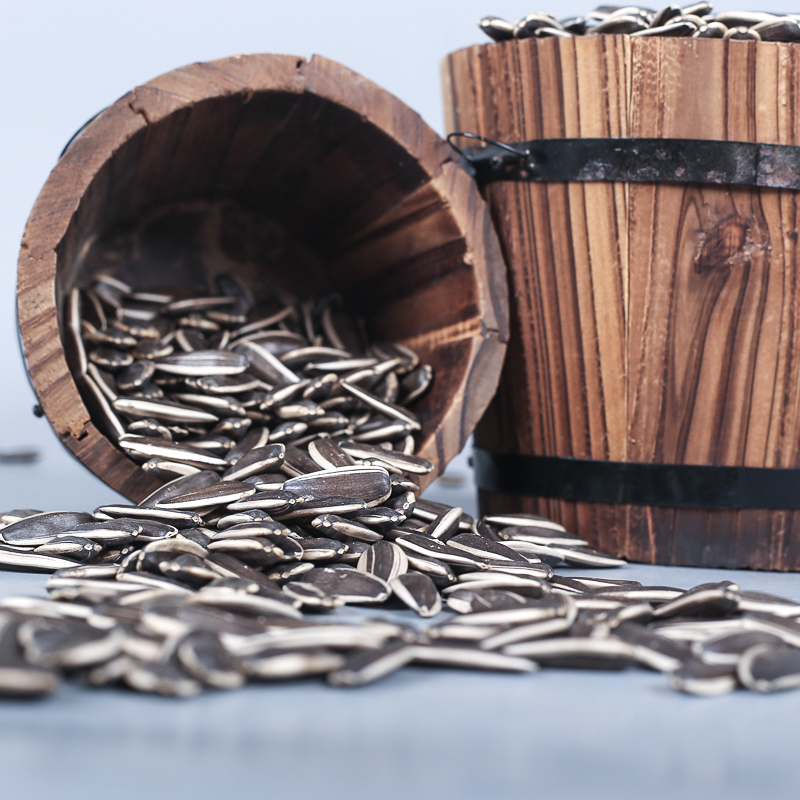
High quality sunflower seeds ‘Double Star’ represent a significant product within the agricultural commodity chain, functioning as a crucial input for edible oil production, confectionary applications, and animal feed. These seeds are specifically selected and processed for optimal oil content, kernel size, and germination rate, differentiating them from standard sunflower seed varieties. Their technical position is defined by stringent quality control parameters focused on oil yield (typically 42-48%), protein content (20-25%), and moisture levels (less than 10%). The core performance characteristics – oil quality measured by iodine value and free fatty acid content – directly impact downstream processing efficiency and final product quality. The prevalence of Orobanche cumina, a parasitic weed affecting sunflower crops, presents a key industry pain point necessitating the use of resistant varieties and targeted herbicide application. Maintaining consistent seed quality in the face of variable climatic conditions is another critical challenge addressed through optimized harvesting and drying techniques.
Material Science & Manufacturing
Sunflower seeds ‘Double Star’ are derived from Helianthus annuus, a plant exhibiting complex seed morphology. The seed itself consists of a hull (pericarp), kernel (cotyledons), and embryo. The hull’s composition is primarily cellulose and lignin, contributing to its protective function. The kernel comprises lipids (primarily linoleic acid and oleic acid – approximately 60-70% by weight), proteins, carbohydrates, and trace minerals. The manufacturing process begins with cultivar selection focusing on high oil content and disease resistance. Field cultivation involves soil preparation, planting density optimization (typically 60,000-70,000 plants/hectare), and precise irrigation management. Harvesting is typically conducted at physiological maturity, indicated by a dark seed coat and low moisture content. Post-harvest processing includes cleaning (removal of debris and foreign matter), drying (to reduce moisture to ≤10% to prevent fungal growth and lipid oxidation – usually using forced-air dryers at temperatures below 45°C), dehulling (mechanical removal of the hull to increase oil yield and improve kernel quality), and grading (separation based on size and weight). Key parameter control during drying is critical; exceeding optimal temperatures can lead to protein denaturation and reduced oil quality. Dehulling efficiency is monitored via kernel damage assessment.
Performance & Engineering
The performance of ‘Double Star’ sunflower seeds is assessed through several key engineering parameters. Oil extraction efficiency, determined by solvent extraction methods (typically hexane), is paramount – aiming for >95% oil recovery. Oil quality is characterized by acid value (a measure of free fatty acids – should be <0.3 mg KOH/g oil), peroxide value (an indicator of oxidation – <10 meq O2/kg oil), iodine value (indicates the degree of unsaturation – 115-125), and color (measured using a Lovibond spectrophotometer). The seeds’ physical properties, including kernel hardness (measured using a penetrometer) and hull strength, influence dehulling efficiency and seed damage. Environmental resistance is evaluated through germination trials under varying temperature and humidity conditions. Compliance requirements dictate adherence to maximum permissible levels of mycotoxins (aflatoxins, ochratoxin A) as defined by regulatory bodies. Force analysis during dehulling focuses on minimizing kernel breakage, optimizing pressure and impact forces. Seed storage stability is assessed through accelerated aging tests simulating long-term storage conditions, monitoring germination rate and oil quality deterioration.
Technical Specifications
| Parameter | Unit | Specification (Double Star) | Testing Method |
|---|---|---|---|
| Oil Content (Dry Basis) | % | 46-48 | AOAC Official Method 920.39 |
| Protein Content (Dry Basis) | % | 22-24 | Kjeldahl Method (AOAC 978.05) |
| Moisture Content | % | ≤ 9.0 | Oven Drying Method (AOAC 925.10) |
| Kernel Size (Diameter) | mm | 12-14 | Sieve Analysis |
| Hull Content | % | ≤ 8.0 | Mechanical Separation & Weighing |
| Germination Rate | % | ≥ 90 | Standard Germination Test (ISTA) |
Failure Mode & Maintenance
Failure modes in ‘Double Star’ sunflower seeds typically manifest as reduced germination rates, decreased oil yield, or compromised oil quality. These failures can stem from several sources. Mechanical damage during harvesting or processing (cracking, abrasion) can reduce viability. Fungal contamination (e.g., Aspergillus flavus) leads to mycotoxin production, rendering the seeds unsuitable for consumption. Lipid oxidation, accelerated by high temperatures and moisture content, results in rancidity and reduced oil quality (characterized by increased peroxide value). Insect infestation (e.g., stored product moths) causes seed weight loss and physical damage. Preventive maintenance involves rigorous cleaning and drying procedures, proper storage conditions (cool, dry, well-ventilated), and implementation of pest control measures. Regular monitoring of seed quality parameters (moisture content, germination rate, mycotoxin levels) is essential. Seed treatment with fungicides can mitigate fungal contamination risks. Storage facilities should be equipped with temperature and humidity control systems. Seed should be stored in airtight containers to prevent moisture absorption and oxidation.
Industry FAQ
Q: What is the acceptable level of aflatoxin contamination in ‘Double Star’ sunflower seeds destined for human consumption?
A: The acceptable level of aflatoxin contamination varies depending on the importing country or region. Generally, regulatory bodies such as the European Union and the US Food and Drug Administration (FDA) adhere to a maximum limit of 4 parts per billion (ppb) for total aflatoxins. Exceeding this limit renders the batch unsuitable for human consumption and necessitates rejection.
Q: How does the drying process impact the oil quality of ‘Double Star’ seeds?
A: Improper drying can significantly degrade oil quality. High drying temperatures (>45°C) can cause protein denaturation, leading to increased free fatty acid levels and reduced oil stability. Insufficient drying (moisture content >10%) promotes fungal growth and lipid oxidation. Optimized drying involves controlled temperature and airflow to achieve a balance between moisture reduction and oil quality preservation.
Q: What are the critical considerations when evaluating potential suppliers of ‘Double Star’ sunflower seeds?
A: Key considerations include the supplier’s quality control system, adherence to international standards (e.g., ISO 9001), traceability protocols, and ability to provide certificates of analysis verifying seed quality parameters (oil content, protein content, moisture content, mycotoxin levels). Auditing the supplier’s facilities and reviewing their historical performance data are also recommended.
Q: What is the significance of the iodine value in assessing the quality of ‘Double Star’ sunflower oil?
A: The iodine value indicates the degree of unsaturation in the oil. Higher iodine values correspond to a greater proportion of unsaturated fatty acids (linoleic and oleic acids), which are generally considered more desirable for health reasons. For ‘Double Star’ sunflower oil, an iodine value within the range of 115-125 is typically considered optimal.
Q: How does planting density affect the yield and quality of ‘Double Star’ sunflower seeds?
A: Planting density impacts both yield and quality. Lower densities allow for greater resource availability per plant, potentially increasing kernel size and oil content, but may reduce overall yield per hectare. Higher densities can maximize yield but may lead to smaller kernels and reduced oil content due to increased competition for resources. An optimal planting density generally falls within the range of 60,000-70,000 plants/hectare, but this can vary depending on soil fertility and climatic conditions.
Conclusion
High quality sunflower seeds ‘Double Star’ represent a complex agricultural product requiring meticulous attention to material science, manufacturing processes, and quality control. Maintaining optimal oil content, minimizing mycotoxin contamination, and ensuring consistent germination rates are paramount for maximizing economic value and ensuring food safety. Understanding the interplay between seed morphology, processing parameters, and storage conditions is crucial for optimizing performance and mitigating failure modes.
Future research should focus on developing sunflower cultivars with enhanced resistance to Orobanche cumina and improved tolerance to drought stress. Implementing advanced monitoring technologies (e.g., near-infrared spectroscopy) for rapid assessment of seed quality parameters and optimizing harvesting and drying protocols based on real-time data will further enhance the efficiency and sustainability of ‘Double Star’ sunflower seed production.
