Introduction
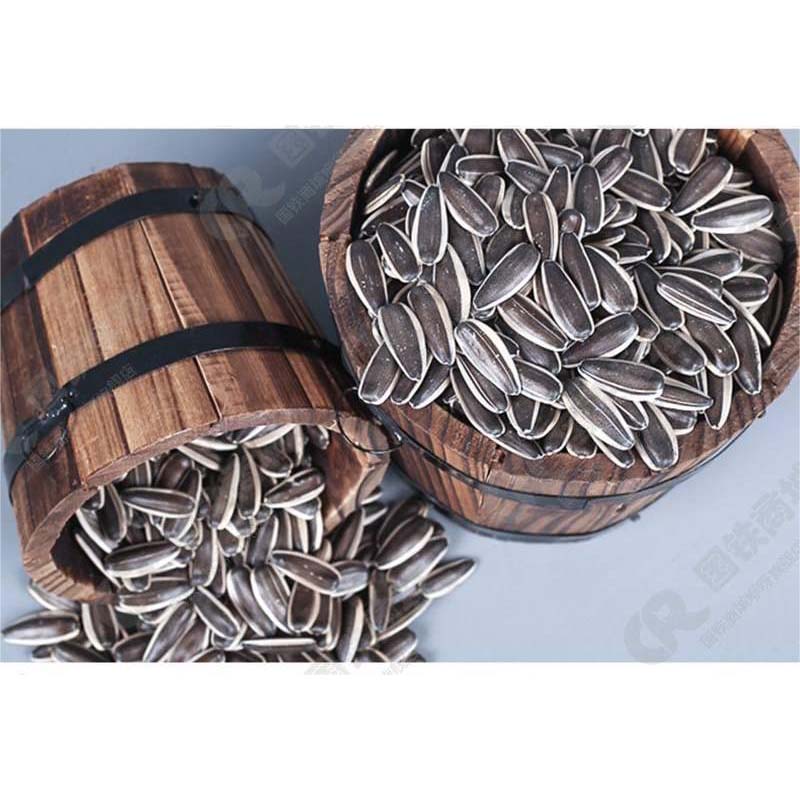
High quality sunflower seeds (Helianthus annuus) represent a significant commodity in the global agricultural market, particularly those originating from China. These seeds are utilized extensively in food processing (oil extraction, confectionary), animal feed, and increasingly, in industrial applications for bio-based materials. Their technical position within the supply chain is multifaceted, beginning with agricultural practices, progressing through post-harvest processing (drying, cleaning, dehulling), and culminating in diverse end-use applications. Core performance characteristics of these seeds – oil content, protein profile, fatty acid composition, and germination rate – are critical determinants of their commercial value and suitability for specific applications. The increasing demand for sustainable and high-yielding agricultural products necessitates a deep understanding of the factors influencing sunflower seed quality and processing efficiency. This guide provides an in-depth technical analysis of Chinese high-quality sunflower seeds, covering material science, manufacturing processes, performance characteristics, failure modes, and industry standards.
Material Science & Manufacturing
Sunflower seeds are composed primarily of carbohydrate, protein, lipid, and fiber. The oil content, typically ranging from 42-58% by weight, is the most economically important component. The lipid fraction is rich in linoleic acid (an omega-6 fatty acid) and oleic acid (an omega-9 fatty acid), the ratio of which significantly impacts oil stability and nutritional value. Protein content (16-24%) is dependent on the cultivar and growing conditions, with amino acid profiles influencing its suitability for animal feed. The seed coat, a protective outer layer, is composed of cellulose, hemicellulose, and lignin, offering resistance to physical damage and moisture ingress. Manufacturing begins with harvesting at optimal maturity (typically 30-35% moisture content). Drying is crucial to reduce moisture to 8-10% to prevent fungal growth and enzymatic degradation. This is commonly achieved using forced-air dryers, where temperature control (45-60°C) is paramount to avoid protein denaturation and oil oxidation. Dehulling, the removal of the seed coat, is performed mechanically, impacting seed integrity and oil yield. Improper dehulling can lead to increased free fatty acids and reduced oil quality. Sorting and grading are then implemented based on size, density, and visual inspection, frequently employing optical sorting technology to remove damaged or discolored seeds. Key parameter control includes monitoring moisture content throughout drying, maintaining optimal dehulling pressure, and ensuring effective removal of foreign materials. Genetic selection for high oleic acid content is a crucial aspect of modern sunflower seed production in China, influencing downstream oil processing and stability.
Performance & Engineering
The performance of sunflower seeds is assessed through several engineering principles. Bulk density, a critical parameter for storage and transportation, influences packing efficiency and handling characteristics. Impact resistance, determined via drop tests, assesses the seed's ability to withstand mechanical stress during processing. Seed coat strength, measured using tensile testing, indicates resistance to cracking and chipping. The oil extraction efficiency is governed by the seed’s physical structure and oil body distribution. Pre-pressing, followed by solvent extraction (typically with hexane), is the most common method. Engineering considerations include optimizing screw press design to maximize oil yield and minimizing solvent residues in the final product. Germination rate, crucial for seed propagation, is affected by seed viability, dormancy, and environmental conditions. Moisture content and temperature control are essential for maintaining seed viability during storage. Environmental resistance analysis focuses on the seed’s tolerance to temperature fluctuations, humidity, and light exposure. The seed’s susceptibility to aflatoxin contamination, a significant food safety concern, is assessed through regular testing, requiring adherence to stringent quality control measures. Compliance requirements involve meeting international standards for pesticide residues, heavy metal content, and genetically modified organism (GMO) labeling, as regulated by importing countries.
Technical Specifications
| Parameter | Unit | Typical Range (Chinese High Quality) | Testing Method |
|---|---|---|---|
| Oil Content | % (Dry Basis) | 48-58 | Soxhlet Extraction (GB/T 5009.7) |
| Protein Content | % (Dry Basis) | 18-26 | Kjeldahl Method (GB/T 6431) |
| Moisture Content | % | 8-10 | Oven Drying Method (GB/T 5009.3) |
| Kernel Hardness | N | 15-25 | Instron Universal Testing Machine |
| Germination Rate | % | >85 | Standard Germination Test (GB/T 3547) |
| Free Fatty Acid (FFA) | % | <1.0 | Titration Method (GB/T 5009.8) |
Failure Mode & Maintenance
Sunflower seed failure modes can be categorized as biological, mechanical, and chemical. Biological failures include fungal contamination (Aspergillus flavus leading to aflatoxin production), insect damage, and seed-borne diseases. Proper drying and storage are critical preventative measures. Mechanical failures involve seed coat cracking during dehulling and handling, leading to reduced oil yield and quality. Optimized dehulling parameters and gentle handling procedures are necessary. Chemical failures encompass lipid oxidation (rancidity) due to exposure to oxygen, light, and heat, resulting in off-flavors and reduced nutritional value. Antioxidant addition and packaging in inert atmospheres can mitigate oxidation. Furthermore, improper storage conditions can lead to the development of acrylamide during roasting, a potential health hazard. Maintenance of seed quality requires controlled temperature (below 15°C) and humidity (below 65%) during storage. Regular inspection for pest infestations and fungal growth is essential. Seed treatment with fungicides and insecticides (following regulatory guidelines) can provide preventative protection. Implementing a First-In, First-Out (FIFO) inventory management system minimizes storage duration and reduces the risk of quality degradation. Failure analysis should include microscopic examination of damaged seeds to identify the root cause of the failure.
Industry FAQ
Q: What is the significance of oleic acid content in sunflower seeds?
A: High oleic acid content (typically >70%) improves oil stability, extending shelf life and reducing the need for hydrogenation. This results in a healthier oil with lower levels of trans fatty acids and improved oxidative stability, making it desirable for food applications and extending its use in high-temperature frying.
Q: How do different drying methods impact sunflower seed quality?
A: While forced-air drying is common, excessive temperatures can damage proteins and oxidize lipids. Fluidized bed drying offers more uniform drying and lower temperatures, preserving seed quality. Proper control of air temperature and airflow is crucial regardless of the method used.
Q: What are the key indicators of aflatoxin contamination in sunflower seeds?
A: Visual inspection for mold growth, particularly greenish or yellowish discoloration, is an initial indicator. However, definitive diagnosis requires laboratory analysis using ELISA or HPLC methods to quantify aflatoxin levels. Regular testing and adherence to maximum allowable limits are essential.
Q: How does seed size and uniformity affect oil extraction efficiency?
A: Uniform seed size facilitates more efficient pre-pressing and solvent extraction, maximizing oil yield. Smaller seeds generally have a higher surface area-to-volume ratio, potentially leading to higher extraction rates. Sorting and grading to ensure seed uniformity is a crucial pre-processing step.
Q: What are the regulations regarding GMO labeling for sunflower seeds in international markets?
A: Regulations vary significantly by country. The European Union, for example, requires labeling of products containing more than 0.9% GMO ingredients. Compliance with importing country regulations is critical, and documentation verifying non-GMO status may be required.
Conclusion
High-quality Chinese sunflower seeds represent a complex agricultural product demanding stringent quality control throughout the entire supply chain. From genetic selection and optimized harvesting techniques to precise drying, dehulling, and storage protocols, each stage significantly impacts the final product's performance and market value. Understanding the material science underpinning seed composition – oil content, protein profile, and seed coat integrity – is crucial for maximizing oil yield and ensuring food safety.
Future advancements will likely focus on improving seed genetics for enhanced oil content, drought resistance, and disease tolerance. Implementing precision agriculture techniques, such as remote sensing and variable rate fertilization, will optimize yield and reduce environmental impact. Furthermore, the development of more efficient and sustainable oil extraction technologies will be critical for meeting the growing global demand for sunflower oil. Continued adherence to international standards and rigorous quality control measures will remain paramount for maintaining market access and consumer confidence.
