Introduction
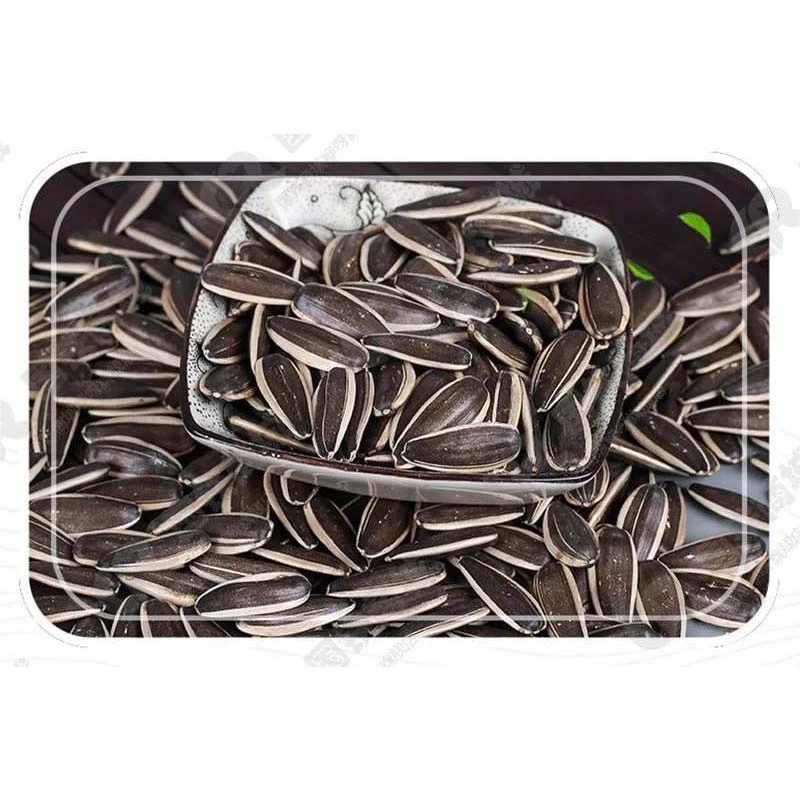
High quality sunflower seeds, Helianthus annuus, represent a critical input for the edible oil, confectionary, and animal feed industries. Their technical position within the agricultural supply chain is as a primary processed commodity, subject to rigorous quality control and grading standards. Core performance characteristics – oil content, protein content, kernel size, and germination rate – dictate market value and suitability for specific applications. The selection of high-quality seeds is paramount to maximizing yield, minimizing processing inefficiencies, and ensuring the final product meets established food safety regulations. The industry frequently faces challenges surrounding mycotoxin contamination, varietal purity, and maintaining consistent genetic traits, necessitating detailed analytical procedures and traceability protocols. This guide will provide a comprehensive technical overview of sunflower seed quality, manufacturing processes, performance parameters, potential failure modes, and relevant industry standards.
Material Science & Manufacturing
Sunflower seeds are comprised of three primary components: the kernel (cotyledon), the hull (pericarp), and the embryo. The kernel constitutes the majority of the seed’s mass and contains the oil bodies (oleosomes) responsible for oil content, typically ranging from 40-55% by weight, dependent on the variety. Kernel protein content averages 18-24%. The hull, a fibrous outer layer, protects the kernel and impacts oil extraction efficiency; hulls typically comprise 28-35% of the total seed weight. The embryo, responsible for germination, is a relatively small percentage of the seed mass. Raw material selection begins with hybrid seed development focusing on traits such as disease resistance (e.g., Sclerotinia, Fusarium), yield potential, and oil profile (oleic vs. linoleic acid content). Manufacturing begins with harvesting, typically using combine harvesters. Post-harvest processing includes cleaning (removal of chaff, stems, and other debris), drying (to reduce moisture content to 9-10% to prevent fungal growth and spoilage – critical parameter control is air temperature and flow rate), dehulling (mechanical removal of the hull, impacting oil yield and protein content), and grading (based on kernel size, oil content, and damage levels). Dehulling methods include impact dehulling and aspiration dehulling, each influencing kernel damage rates and processing efficiency. Quality control at each stage is crucial. Seed moisture content is determined via near-infrared (NIR) spectroscopy, while oil content is assessed through solvent extraction methods (e.g., hexane extraction) followed by analytical techniques like NMR.
Performance & Engineering
Sunflower seed performance is assessed based on several key engineering parameters. Kernel hardness, a measure of resistance to fracture, impacts milling efficiency and oil yield. Hardness is measured using a penetrometer or impact tester. Hull strength influences dehulling efficiency; weaker hulls reduce energy consumption but increase kernel damage. Abrasive resistance is important for seed handling and storage, minimizing kernel breakage. Seed flowability, crucial for conveying and processing systems, is influenced by seed size, shape, and surface texture. Force analysis during dehulling and oil extraction processes determines optimal equipment settings and minimizes energy losses. Environmental resistance is primarily focused on storage conditions. High temperature and humidity accelerate lipid oxidation, leading to rancidity and reduced oil quality. Contamination with moisture encourages fungal growth and mycotoxin production (aflatoxins, zearalenone). Compliance requirements are stringent, particularly regarding mycotoxin levels, which are regulated by international bodies. Functional implementation focuses on maximizing oil extraction efficiency and minimizing protein denaturation during processing. Proper seed conditioning (temperature, moisture content) is essential for optimal oil yield. The impact of storage duration on seed viability and oil quality requires careful monitoring.
Technical Specifications
| Parameter | Unit | Typical Range (High Quality Seeds) | Test Method |
|---|---|---|---|
| Oil Content (Dry Basis) | % | 48-55 | NMR, Solvent Extraction (Hexane) |
| Protein Content (Dry Basis) | % | 18-24 | Kjeldahl Method |
| Kernel Moisture Content | % | 9-10 | Oven Drying Method, NIR Spectroscopy |
| Kernel Damage (Broken Kernels, Foreign Material) | % | < 2 | Visual Inspection, Seed Sorter |
| Hull Content | % | < 10 (Dehulled Seed) | Screening, Visual Inspection |
| Germination Rate | % | > 85 | Standard Germination Test (ISTA) |
Failure Mode & Maintenance
Sunflower seeds are susceptible to several failure modes. Lipid oxidation is a primary degradation pathway, resulting in rancidity and reduced oil quality, accelerated by high temperatures, oxygen exposure, and the presence of metal catalysts. Mycotoxin contamination by fungi (e.g., Aspergillus, Fusarium) is a significant food safety concern. Mechanical damage during harvesting, handling, and processing leads to broken kernels and reduced oil yield. Insect infestation can cause significant seed loss and contamination. Varietal degradation over successive seed generations can reduce yield and quality characteristics. Maintenance practices to mitigate these failures include controlled-atmosphere storage (reducing oxygen levels and maintaining low temperatures), regular monitoring for mycotoxins (HPLC, ELISA), careful handling procedures to minimize mechanical damage, and proper pest control measures. Seed treatment with fungicides can prevent fungal growth, but residue levels must be monitored. Regular cleaning of storage facilities and processing equipment is crucial. Implementing a robust traceability system allows for rapid identification and isolation of contaminated batches. Periodic germination testing assesses seed viability and identifies potential issues with seed quality.
Industry FAQ
Q: What is the impact of linoleic vs. oleic acid content on shelf life and processing characteristics?
A: Seeds high in linoleic acid are more susceptible to oxidation and have a shorter shelf life compared to those high in oleic acid. Oleic acid-rich oils are more stable and require less refining. Processing characteristics differ as well; oils with higher oleic acid content exhibit better frying stability and lower viscosity.
Q: How do different dehulling methods affect oil yield and kernel quality?
A: Impact dehulling tends to produce more kernel fragments and a higher level of fines, but may achieve higher oil yield if hull adherence is minimal. Aspiration dehulling is gentler on the kernel, resulting in less damage but potentially lower oil yield if hull removal is incomplete. The optimal method depends on seed variety and processing equipment.
Q: What are the acceptable limits for aflatoxin contamination in sunflower seeds according to EU regulations?
A: The European Union regulations (Commission Regulation (EC) No 1881/2006) sets a maximum limit of 2.0 µg/kg for total aflatoxins (B1, B2, G1, G2) in sunflower seeds intended for human consumption.
Q: How does seed moisture content influence storage stability?
A: Seed moisture content is critically important. Moisture levels above 10% significantly increase the risk of fungal growth and mycotoxin production. Maintaining moisture content below 9% is recommended for long-term storage to ensure optimal seed quality and prevent spoilage.
Q: What is the role of NIR spectroscopy in sunflower seed quality control?
A: Near-infrared (NIR) spectroscopy is a rapid, non-destructive method for determining seed composition, including oil content, protein content, and moisture content. It’s widely used for real-time quality control during processing and provides accurate and reliable results.
Conclusion
The quality of high quality sunflower seeds buy is a complex interplay of genetic factors, agricultural practices, and post-harvest processing techniques. A comprehensive understanding of the material science underpinning seed composition – the delicate balance between kernel, hull, and embryo – is paramount. Stringent control over manufacturing parameters, from harvesting and drying to dehulling and grading, dictates final product quality and market value. Adherence to international standards and proactive failure mode analysis are vital for ensuring food safety and maximizing yield.
Future developments in sunflower seed technology will likely focus on breeding for enhanced oil profiles, improved disease resistance, and optimized processing characteristics. Advancements in analytical techniques, such as hyperspectral imaging and machine learning, will enable more precise quality control and efficient detection of defects. Further research into novel storage techniques – including modified atmosphere packaging and controlled humidity environments – will be crucial for extending shelf life and preserving seed viability, ultimately contributing to a more sustainable and efficient agricultural supply chain.
