Introduction
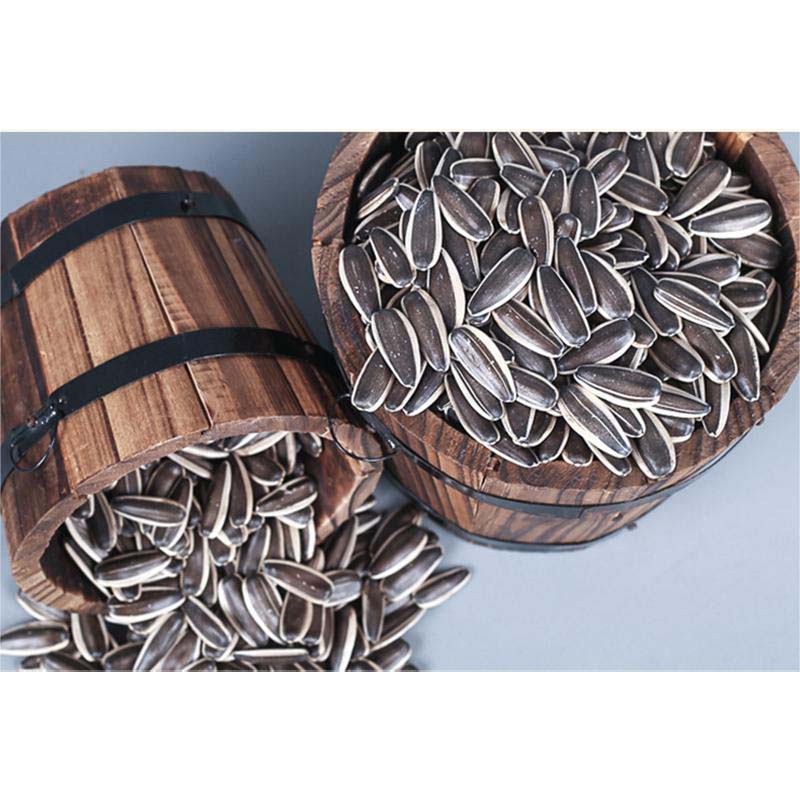
High quality sunflower seeds, specifically those sourced for online purchase, represent a critical input in the edible oil, confectionary, and animal feed industries. Their technical position within the agricultural supply chain necessitates stringent quality control, encompassing genetic purity, oil content, and freedom from contaminants. These seeds aren't merely a commodity; they are a complex biological material requiring sophisticated handling, storage, and processing to maximize yield and maintain nutritional value. The increasing trend towards direct-to-consumer online purchasing demands heightened traceability and assurance of seed viability, germination rates (for non-oilseed varieties), and adherence to phytosanitary regulations. Core performance characteristics include oil yield (%), protein content (%), moisture content (%), and levels of potentially harmful mycotoxins. The industry currently faces pain points relating to inconsistent seed quality across different online vendors, lack of transparent sourcing information, and difficulties in verifying seed authenticity, particularly concerning genetically modified (GM) status.
Material Science & Manufacturing
Sunflower seeds ( Helianthus annuus) are comprised of approximately 35-50% oil, 20-25% protein, 10-15% hull (seed coat), and 5-10% moisture. The oil is primarily composed of linoleic acid (around 60%), oleic acid (around 30%), and palmitic acid (around 5-10%). The hull consists primarily of cellulose, hemicellulose, and lignin, providing structural integrity. Manufacturing begins with agricultural practices: soil preparation, planting density, and irrigation significantly influence seed size and oil content. Hybrid seed production, employing controlled pollination, is crucial for maximizing yield and desired traits. Post-harvest processing involves cleaning (removal of stems, leaves, and debris), drying (reducing moisture content to ~8-10% to prevent mold growth), dehulling (removing the outer hull – crucial for oil extraction efficiency), and grading (based on seed size, density, and oil content). Dehulling processes can be mechanical (impact dehulling) or chemical (using steam or solvents), each affecting seed integrity and oil quality. Parameter control during drying is paramount; excessive heat can denature proteins and reduce oil quality. Seed storage requires low temperature (<10°C) and humidity (<60%) to minimize lipid oxidation and maintain viability. The chemical compatibility of the seed coat with storage materials (e.g., polypropylene bags) must be considered to prevent contamination.
Performance & Engineering
The performance of sunflower seeds is critically linked to their physical properties and structural integrity. Force analysis during dehulling determines the energy required for hull removal and potential seed damage. Seed coat tensile strength is a key indicator of resistance to cracking during processing. Environmental resistance is primarily determined by the seed’s moisture content and hull impermeability. High moisture content promotes fungal growth and mycotoxin production (aflatoxins, ochratoxin A). Hull impermeability affects the rate of moisture absorption and gas exchange. Compliance requirements vary by region. In the EU, Regulation (EC) No 1881/2006 sets maximum levels for contaminants in foodstuffs, including mycotoxins. In the US, the Food and Drug Administration (FDA) regulates seed quality and safety. Functional implementation in oil extraction requires optimized seed size distribution for efficient pressing or solvent extraction. For confectionary seeds, size, shape, and shell thickness are crucial for consumer acceptance. Germination rates, for seeds intended for planting, are assessed using standardized tests (e.g., ISTA rules) to determine viability and seedling vigor. Engineering considerations extend to the design of seed handling and storage systems, minimizing damage and maintaining seed quality throughout the supply chain.
Technical Specifications
| Parameter | Unit | High Quality Range | Acceptable Range |
|---|---|---|---|
| Oil Content (Dry Basis) | % | 48-58 | 40-50 |
| Protein Content (Dry Basis) | % | 18-25 | 15-22 |
| Moisture Content | % | 8-10 | 12-14 |
| Hull Content | % | 5-15 | 15-25 |
| Free Fatty Acids (FFA) | % (oleic acid) | ≤ 1.0 | ≤ 2.0 |
| Peroxide Value | meq O2/kg | ≤ 5.0 | ≤ 10.0 |
Failure Mode & Maintenance
Sunflower seeds are susceptible to several failure modes. Lipid oxidation is a primary concern, leading to rancidity and reduced oil quality. This is accelerated by exposure to oxygen, light, and high temperatures. Mechanical damage during harvesting, dehulling, or storage can cause seed coat cracking, increasing susceptibility to fungal infection. Mycotoxin contamination (aflatoxins, ochratoxin A) poses a significant health risk. Improper drying can lead to mold growth and reduced viability. For seeds intended for planting, genetic degradation over multiple generations can reduce germination rates and yield potential. Fatigue cracking of the seed coat can occur during processing. Maintenance solutions include strict control of drying temperatures, proper storage conditions (low temperature, low humidity, dark environment), regular monitoring for mycotoxin levels, and implementing robust quality control procedures throughout the supply chain. Seed treatment with antifungal agents can prevent mold growth, but must be compliant with relevant regulations. Implementing a first-in, first-out (FIFO) inventory system minimizes storage time and reduces the risk of degradation.
Industry FAQ
Q: What are the critical factors determining the oil yield of sunflower seeds?
A: Oil yield is primarily determined by the genetic potential of the sunflower variety, the growing conditions (temperature, sunlight, water availability), and the post-harvest processing methods. Higher levels of linoleic acid generally correlate with higher oil yield. Proper drying and dehulling techniques are also crucial, as excessive moisture or seed damage can reduce oil extraction efficiency. The seed's maturity stage at harvest is a significant factor; under-mature or over-mature seeds tend to have lower oil content.
Q: How can we ensure the sunflower seeds are free from mycotoxin contamination?
A: Ensuring freedom from mycotoxin contamination requires a multi-faceted approach. This includes selecting sunflower varieties with inherent resistance to fungal infection, implementing proper agricultural practices to minimize stress on the plants (which makes them more susceptible to fungal growth), thorough drying of the seeds immediately after harvest, proper storage conditions (low temperature and humidity), and regular testing for mycotoxins using methods such as ELISA or HPLC. A robust supplier qualification program is also essential.
Q: What is the significance of the peroxide value in sunflower seeds?
A: The peroxide value (PV) is a measure of the extent of lipid oxidation in the oil. A high PV indicates that the oil has undergone significant oxidation, resulting in rancidity and reduced quality. The PV is influenced by factors such as temperature, light exposure, and the presence of metal catalysts. Lower peroxide values are indicative of better quality and longer shelf life.
Q: How do different dehulling methods affect seed quality?
A: Mechanical dehulling (impact dehulling) can cause seed damage, potentially reducing oil yield and increasing susceptibility to fungal infection. Chemical dehulling (using steam or solvents) can be more efficient but may leave residual chemicals in the seed. The optimal method depends on the specific sunflower variety and the desired end product. Careful control of dehulling parameters is crucial to minimize seed damage and maintain oil quality.
Q: What standards are used to assess the germination rate of sunflower seeds intended for planting?
A: Germination rates are typically assessed using standardized tests outlined by the International Seed Testing Association (ISTA). These tests involve subjecting seeds to controlled temperature and humidity conditions and counting the number of seeds that germinate within a specified timeframe. ISTA rules provide detailed procedures for conducting these tests and interpreting the results. Germination rate is a critical indicator of seed viability and seedling vigor.
Conclusion
The quality of high quality sunflower seeds bought online is a complex parameter influenced by genetic factors, agricultural practices, post-harvest handling, and storage conditions. Maintaining optimal oil content, minimizing mycotoxin contamination, and ensuring seed viability are crucial for meeting industry demands. A comprehensive understanding of material science, manufacturing processes, and relevant performance specifications is essential for procurement professionals and engineers involved in the sunflower seed supply chain.
Future advancements in sunflower seed technology will likely focus on developing varieties with improved oil profiles, enhanced disease resistance, and increased yield potential. Traceability systems utilizing blockchain technology could enhance transparency and ensure the authenticity of seeds purchased online. Continued investment in research and development, coupled with stringent quality control measures, will be critical for maintaining the sustainability and reliability of the sunflower seed industry.
