Introduction
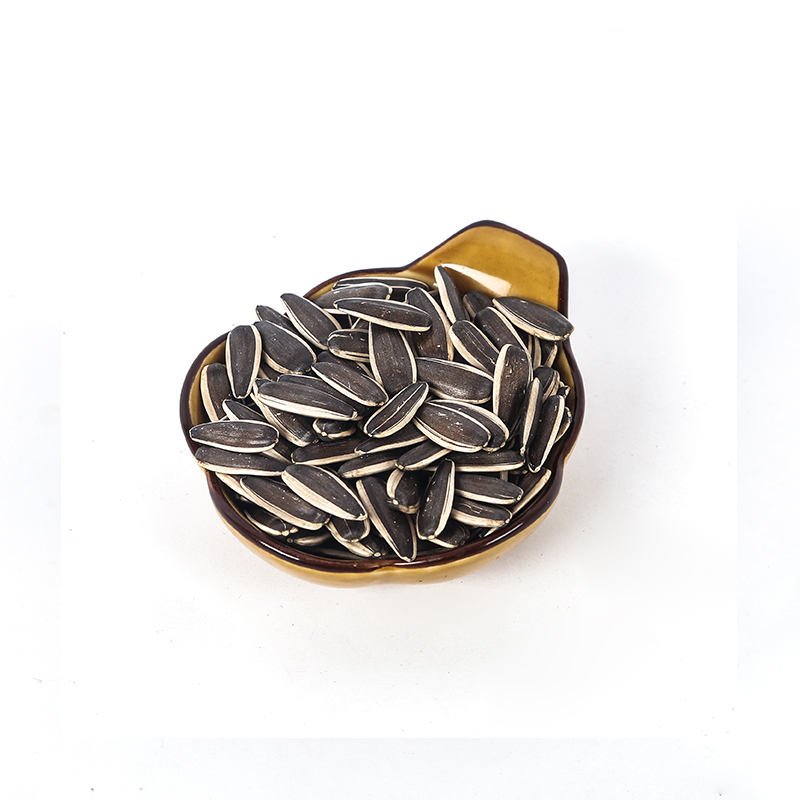
High quality sunflower seeds, Helianthus annuus, in bulk represent a critical agricultural commodity serving a diverse range of industries, from edible oil production and confectionary to animal feed. This technical guide details the key characteristics, manufacturing processes, performance parameters, potential failure modes, and relevant standards associated with bulk sunflower seeds intended for industrial processing. The sunflower seed market faces increasing demand for consistent quality, optimized oil content, and minimized contaminants. This necessitates a detailed understanding of the factors influencing these attributes throughout the supply chain. Sunflower seeds, classified by hull type (oilseed versus confectionary) and genetic variety, exhibit significant variations in composition impacting downstream processing efficiency and product quality. This guide provides a comprehensive overview for procurement managers, quality control specialists, and process engineers involved in sourcing and utilizing bulk sunflower seeds.
Material Science & Manufacturing
Sunflower seeds are composed primarily of oil (35-58% by weight), protein (18-26%), fiber (28-38%), and moisture (typically 9-12%). The oil fraction is largely comprised of linoleic acid (a polyunsaturated omega-6 fatty acid) and oleic acid (a monounsaturated fatty acid). The ratio of these fatty acids significantly impacts oil stability and nutritional value. Seed coat composition consists primarily of cellulose, lignin, and various polysaccharides providing physical protection. Manufacturing begins with optimized agricultural practices including variety selection for desired oil content and fatty acid profile, irrigation management, and fertilization. Harvesting timing is crucial; premature harvesting results in lower oil accumulation, while delayed harvesting increases susceptibility to pre-harvest sprouting, reducing seed quality. Drying is a critical post-harvest process, typically employing controlled-temperature air drying to reduce moisture content to 8-9% for safe storage. Inadequate drying leads to fungal growth and mycotoxin contamination. Hulling, depending on the end-use, may be performed to remove the outer shell. The hulling process, utilizing impact or abrasion methods, requires precise control to minimize kernel damage and preserve oil quality. Seed cleaning and grading involve removing foreign matter (stems, leaves, dirt) and separating seeds based on size and density. Optical sorting technology is increasingly employed to remove discolored or damaged seeds. Parameter control during drying (temperature, airflow, duration), hulling (impact force, abrasion speed), and cleaning (screen size, air velocity) are paramount for ensuring consistent seed quality.
Performance & Engineering
The performance of bulk sunflower seeds is assessed through several key parameters relating to physical integrity, oil yield, and compositional quality. Kernel hardness, measured using durometer testing, influences milling efficiency and oil extraction rates. Seed density, determined via displacement methods, impacts separation efficiency during grading. Moisture content, monitored using near-infrared spectroscopy, dictates storage stability and susceptibility to microbial growth. Oil content is quantified through solvent extraction (typically hexane) and expressed as a percentage by weight. Fatty acid composition is determined using gas chromatography (GC), providing detailed information on linoleic, oleic, and other fatty acid profiles. Aflatoxin contamination, a major food safety concern, is assessed using ELISA (enzyme-linked immunosorbent assay) or HPLC (high-performance liquid chromatography). Engineering considerations in handling bulk sunflower seeds include proper storage conditions (temperature control, humidity control, pest control) to prevent deterioration. Conveyor system design must minimize seed damage during transport. Dust control systems are necessary to prevent combustible dust hazards. Bulk density and flowability characteristics dictate the design of storage silos and unloading systems. Particle size distribution influences the efficiency of oilseed crushing and extraction processes. Mechanical stress during handling can induce micro-cracking of kernels, increasing oil leakage and reducing processing yield.
Technical Specifications
| Parameter | Unit | Typical Range (Oilseed Variety) | Typical Range (Confectionary Variety) |
|---|---|---|---|
| Oil Content | % (Weight) | 48-58 | 35-45 |
| Moisture Content | % (Weight) | 8-9 | 8-9 |
| Kernel Hardness | Shore D | 60-75 | 75-85 |
| Seed Density | g/cm³ | 0.65-0.85 | 0.70-0.90 |
| Linoleic Acid Content | % (of Total Fatty Acids) | 60-75 | 55-65 |
| Aflatoxin B1 | ppb | < 5 | < 5 |
Failure Mode & Maintenance
Sunflower seeds are susceptible to various failure modes throughout the supply chain. Physical damage during harvesting, handling, and storage can lead to kernel cracking and oil leakage, reducing processing yield. Insect infestation (e.g., sunflower weevils) can cause significant seed loss and contamination. Fungal growth, particularly Aspergillus flavus and Aspergillus parasiticus, results in aflatoxin contamination, rendering the seeds unusable for human consumption. Pre-harvest sprouting, induced by excessive moisture during maturation, reduces oil content and germination rate. Oxidative degradation of oils, accelerated by exposure to air, light, and heat, leads to rancidity and reduced nutritional value. Maintenance strategies include implementing strict pest control measures in storage facilities, maintaining optimal temperature and humidity levels, employing proper cleaning and grading techniques to remove damaged seeds, and utilizing antioxidant additives during storage to prevent oil oxidation. Regular inspection of storage silos for structural integrity and leakages is crucial. Implementing a first-in, first-out (FIFO) inventory management system minimizes storage duration and reduces the risk of deterioration. Preventative maintenance on harvesting and processing equipment minimizes physical damage to the seeds.
Industry FAQ
Q: What is the significance of the oleic acid content in sunflower seeds, and how does it impact oil stability?
A: Higher oleic acid content (high-oleic sunflower oil) significantly improves oil stability by reducing the degree of unsaturation. Monounsaturated fatty acids are less prone to oxidation than polyunsaturated fatty acids, extending the shelf life of the oil and reducing the need for hydrogenation (a process that creates trans fats).
Q: How do you ensure minimal aflatoxin contamination in bulk sunflower seed shipments?
A: We implement a rigorous quality control program that includes pre-harvest surveys to assess fungal pressure in fields, careful drying practices to reduce moisture content, regular testing for aflatoxins using ELISA or HPLC, and strict supplier qualification procedures. Shipments exceeding acceptable aflatoxin limits are rejected.
Q: What are the key differences in handling oilseed versus confectionary sunflower seeds?
A: Confectionary seeds require more careful handling to minimize kernel damage and maintain their aesthetic appearance. Hulling is often less aggressive, and cleaning focuses on removing only minor imperfections. Oilseed varieties are typically subjected to more robust processing, including hulling and solvent extraction.
Q: How is moisture content controlled during bulk storage to prevent fungal growth?
A: Controlled atmosphere storage is employed, maintaining a temperature between 10-15°C and a relative humidity below 65%. Continuous monitoring of temperature and humidity levels is performed, and ventilation systems are used to remove excess moisture. Regular inspection for condensation and signs of fungal growth is also conducted.
Q: What impact does seed size uniformity have on the efficiency of oil extraction?
A: Greater seed size uniformity promotes more consistent oil extraction rates. Variations in seed size can lead to uneven crushing and incomplete oil release, reducing overall extraction efficiency. Grading and sorting processes are used to minimize seed size variability.
Conclusion
The quality of bulk sunflower seeds is a multifaceted characteristic determined by a complex interplay of genetic factors, agricultural practices, post-harvest processing, and storage conditions. Maintaining stringent control over these parameters is essential for ensuring consistent oil content, minimizing contamination, and maximizing processing efficiency. The technical specifications outlined in this guide provide a framework for evaluating seed quality and establishing appropriate acceptance criteria.
As the demand for sunflower oil and sunflower-based products continues to grow, a deeper understanding of the underlying science and engineering principles governing sunflower seed quality will become increasingly crucial. Future research and development efforts should focus on improving seed genetics for enhanced oil content and disease resistance, optimizing harvesting and drying technologies, and developing advanced quality control methods for rapid and accurate assessment of seed composition and safety.
