Introduction
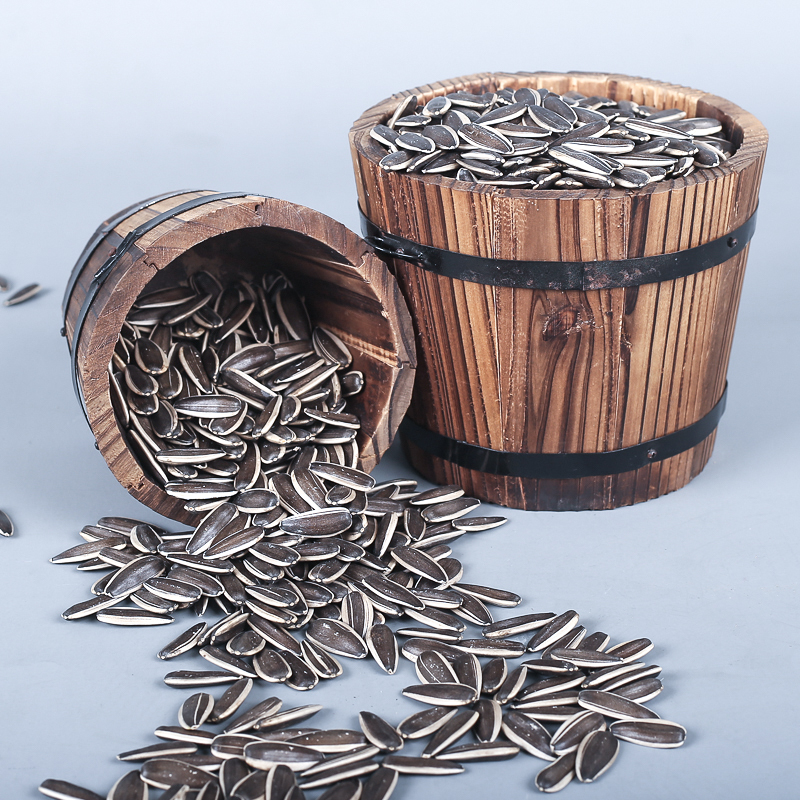
High quality sunflower seeds represent a critical input for the edible oil, confectionery, and animal feed industries. Their technical position within the agricultural supply chain is defined by rigorous standards related to oil content, kernel size, moisture levels, and genetic purity. Sunflower seeds ( Helianthus annuus) are not merely a commodity; variations in genotype and post-harvest handling dramatically impact the final product quality. Core performance metrics include oil yield (typically 42-58% by weight), protein content (20-25%), and fatty acid profile – specifically the ratio of linoleic to oleic acids which dictate the oil’s stability and nutritional value. The industry faces continuous pressure to improve yield, disease resistance, and seed longevity, driven by increasing global demand and evolving consumer preferences. Seed quality directly correlates to oil refining efficiency, confectionary palatability, and feed conversion ratios, making meticulous quality control paramount.
Material Science & Manufacturing
The foundational material science of sunflower seeds revolves around the complex interplay of lipids, proteins, carbohydrates, and fiber within the kernel. The oil bodies (oleosomes) are surrounded by a phospholipid membrane, influencing oil extraction efficiency. Kernel hardness, determined by hull strength and endosperm composition, impacts dehulling processes. Raw material selection begins with hybrid varieties optimized for specific traits, such as high oleic content or disease resistance. Manufacturing begins with controlled planting and growth conditions – soil composition, irrigation, and fertilizer application. Harvesting is timed based on physiological maturity (black dot test). Post-harvest processing includes drying to reduce moisture content (typically to 8-10% to inhibit mold growth), cleaning to remove debris, dehulling (mechanical or chemical), and grading by size and weight. Parameter control during drying is crucial; excessive temperatures degrade oil quality, while insufficient drying promotes fungal contamination. Dehulling efficiency impacts kernel damage and residual hull content, influencing oil clarity and flavor. Seed coating with polymers (e.g., polyethylene glycol) can enhance flowability and reduce dust during processing. Chemical compatibility of coating materials with seed components must be rigorously assessed to avoid off-flavor development or reduced germination rates for seeds intended for further breeding.
Performance & Engineering
Performance engineering of sunflower seeds focuses on optimizing the seed's physical integrity throughout the supply chain. Force analysis is critical during mechanical harvesting and handling – seeds experience impact forces during combine operation and conveying. Tensile strength of the hull dictates resistance to cracking and damage. Environmental resistance is primarily related to moisture uptake and temperature fluctuations during storage. Seeds are susceptible to lipid oxidation and protein denaturation, leading to reduced oil quality and nutritional value. Controlled atmosphere storage (nitrogen flushing) minimizes oxidation. Compliance requirements vary by region but generally include maximum limits for aflatoxins (produced by Aspergillus fungi), pesticide residues, and genetically modified organisms (GMOs) depending on market regulations. Functional implementation involves optimized seed size distribution for efficient oil extraction or confectionary processing. Larger seeds often yield higher oil content but may be more challenging to hull. The geometry of the seed impacts flow characteristics in processing equipment. Seed viability (germination rate) is paramount for breeders and seed producers, requiring careful monitoring of seed moisture and storage conditions.
Technical Specifications
| Parameter | Unit | Typical Range (High Quality Seeds) | Testing Method |
|---|---|---|---|
| Oil Content (Dry Basis) | % | 48 – 58 | Soxhlet Extraction (AOCS Official Method) |
| Moisture Content | % | 8 – 10 | Oven Drying (AACC Method 925) |
| Kernel Soundness | % | > 95 | Visual Inspection/Mechanical Separation |
| Hull Content | % | < 8 | Mechanical Separation/Weight Percentage |
| Free Fatty Acid (FFA) | % Oleic Acid | < 1.0 | Titration (AOCS Official Method) |
| Peroxide Value | meq O2/kg | < 5.0 | Iodometric Titration (AOCS Official Method) |
Failure Mode & Maintenance
Failure modes in high quality sunflower seeds can manifest throughout their lifecycle. Fatigue cracking of the hull during handling leads to kernel damage and reduced oil yield. Delamination of the kernel, caused by improper drying or storage, impacts oil extraction efficiency. Degradation of oil quality due to lipid oxidation results in rancidity and reduced nutritional value. Oxidation is accelerated by exposure to light, oxygen, and elevated temperatures. Aflatoxin contamination, caused by Aspergillus flavus and Aspergillus parasiticus, is a significant safety concern. Insect infestation during storage leads to seed loss and reduced quality. Maintenance protocols begin with proper harvesting techniques to minimize mechanical damage. Controlled atmosphere storage (nitrogen flushing, temperature control) is crucial for preserving oil quality. Regular monitoring for moisture content and aflatoxin levels is essential. Implementing effective pest control measures prevents insect infestation. Seed treatment with fungicides can minimize fungal growth, but must comply with relevant regulations. For breeding seed, maintaining genetic purity through isolation and controlled pollination is vital. Preventative maintenance on processing equipment (dehullers, cleaners) minimizes kernel damage.
Industry FAQ
Q: What is the significance of the oleic/linoleic acid ratio in sunflower oil?
A: The ratio of oleic to linoleic acid is a key determinant of oil stability and nutritional profile. High-oleic sunflower oil (HO sunflower oil) contains >70% oleic acid, making it more resistant to oxidation and extending its shelf life. This reduces the need for hydrogenation, minimizing trans fat formation. HO sunflower oil is favored for frying applications due to its high smoke point and stability. Linoleic acid is an essential fatty acid, but it is more prone to oxidation.
Q: How do you ensure minimal aflatoxin contamination?
A: Aflatoxin contamination is mitigated through a multi-faceted approach. This begins with selecting disease-resistant hybrid varieties. Proper drying of seeds to <10% moisture content inhibits fungal growth. Strict sanitation practices in storage facilities prevent mold proliferation. Regular testing for aflatoxin levels using ELISA or HPLC methods is essential. Contaminated lots are rejected or blended with clean lots to meet regulatory limits. Implementing a robust Hazard Analysis and Critical Control Points (HACCP) plan is crucial.
Q: What is the impact of hull content on oil extraction efficiency?
A: Higher hull content reduces oil extraction efficiency, as the hull itself contains minimal oil. Hull fragments can also interfere with oil refining processes, increasing processing costs. Efficient dehulling is therefore critical. Minimizing hull content also improves the quality of the oil meal byproduct used for animal feed.
Q: How are GMO sunflower seeds regulated, and what testing is required?
A: The regulation of GMO sunflower seeds varies by country. Many regions (e.g., the European Union) require mandatory labeling of GMO products. Testing for GMOs typically involves Polymerase Chain Reaction (PCR) analysis to detect the presence of genetically modified DNA sequences. Suppliers must provide documentation certifying the non-GMO status of their seeds, adhering to specific thresholds for adventitious presence.
Q: What storage conditions are optimal for maintaining seed viability for breeding purposes?
A: For long-term storage of breeding seed, maintaining low temperature (<5°C) and low humidity (<50% relative humidity) is crucial. Seeds should be stored in airtight containers to prevent moisture uptake and oxygen exposure. Periodic monitoring of germination rates is recommended to assess seed viability over time. Seed banking facilities utilize controlled atmosphere storage and cryopreservation techniques for extended preservation.
Conclusion
The production of high quality sunflower seeds necessitates a comprehensive understanding of material science, meticulous process control, and adherence to stringent quality standards. Optimizing oil content, minimizing defects, and preventing contamination are paramount to meeting the demands of diverse downstream industries. The selection of appropriate hybrid varieties, coupled with effective post-harvest handling and storage practices, are key determinants of overall seed quality.
Future advancements will likely focus on developing new hybrid varieties with enhanced disease resistance, improved oil profiles, and increased yield. Precision agriculture technologies, including sensor-based monitoring and automated harvesting systems, will play a growing role in optimizing seed production. Furthermore, sustainable farming practices and reduced pesticide usage will become increasingly important, driven by consumer preferences and environmental concerns.
