Introduction
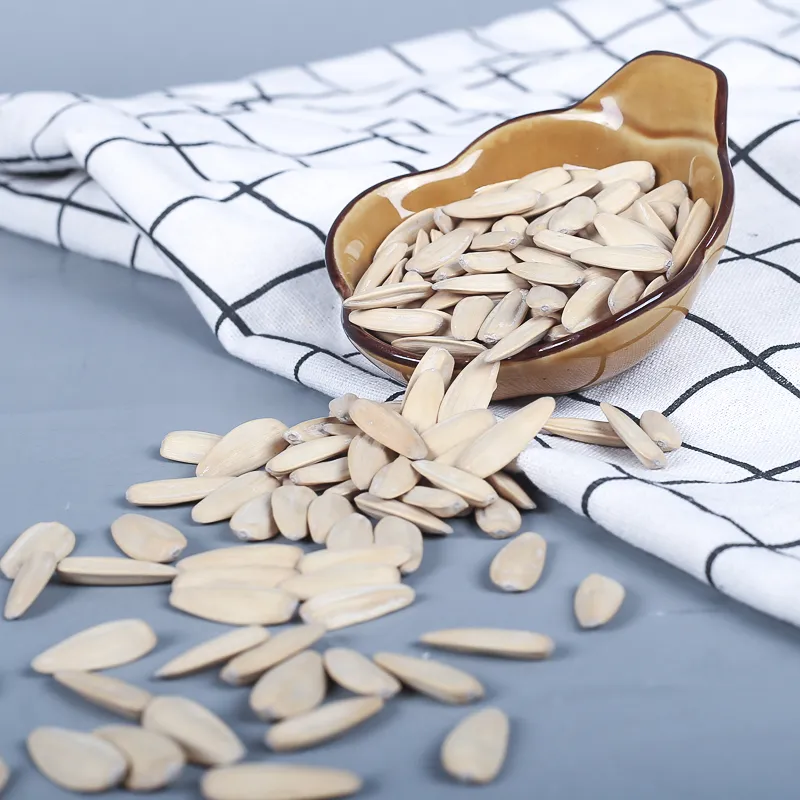
High-quality sunflower and pumpkin seeds represent a critical segment within the agricultural and food processing industries. These seeds are not merely agricultural commodities; they are complex biological systems valued for their nutritional profile, oil content, and applications ranging from direct human consumption to industrial feedstocks. Sunflower seeds ( Helianthus annuus) and pumpkin seeds (Cucurbita pepo) differ significantly in composition and intended use. Sunflower seeds are predominantly utilized for oil extraction, confectionary purposes (roasted seeds), and birdseed. Pumpkin seeds, conversely, are valued for their nutritional density, particularly magnesium and zinc, and are generally consumed as a snack food or incorporated into culinary applications. The quality of these seeds, determined by factors such as germination rate, oil content, protein levels, and the absence of contaminants, directly impacts their economic value and suitability for intended applications. This guide provides an in-depth analysis of the material science, manufacturing processes, performance characteristics, failure modes, and relevant industry standards associated with high-quality sunflower and pumpkin seeds.
Material Science & Manufacturing
Sunflower and pumpkin seeds exhibit distinct material properties. Sunflower seeds comprise approximately 30-50% oil, 20-25% protein, 15-20% carbohydrates, and 5-10% fiber. The oil is primarily linoleic acid (a polyunsaturated omega-6 fatty acid) and oleic acid (a monounsaturated fatty acid). The seed coat, or hull, is composed of cellulose and lignin, providing structural integrity. Pumpkin seeds possess a higher protein content (around 30-35%) and a lower oil content (40-45%) compared to sunflower seeds. Their oil profile includes a significant proportion of linoleic acid, oleic acid, and palmitic acid. The manufacturing process begins with seed selection, focusing on cultivars with desired traits (high oil content, large seed size, disease resistance). Harvesting timing is critical, as moisture content impacts storability and germination. Drying is a crucial step, typically employing forced-air drying to reduce moisture content to 8-10%, inhibiting mold growth and enzymatic activity. Hulling, or de-hulling, is employed for sunflower seeds destined for confectionary use. This process involves mechanical abrasion and air separation to remove the hull without damaging the kernel. Pumpkin seeds are often sold with the hull intact or hulled, depending on market demand. Quality control during manufacturing involves monitoring seed size, density, oil content (determined through solvent extraction or near-infrared spectroscopy), and the presence of mycotoxins (e.g., aflatoxins) via chromatographic analysis. Parameter control during drying (temperature, airflow) is essential to prevent protein denaturation and lipid oxidation. Seed cleaning removes foreign material (stalks, leaves, stones) using screens and air separators.

Performance & Engineering
The performance of sunflower and pumpkin seeds is evaluated based on several key engineering parameters. For oil extraction, seed density and oil body size are crucial. Higher density seeds generally yield more oil. Oil body size influences extraction efficiency; smaller oil bodies require greater energy input for rupture and release. The compressive strength of the seed coat determines its resistance to cracking during processing. Hulling efficiency is a critical performance metric, minimizing kernel damage and maximizing yield. Moisture content significantly impacts storability; excessive moisture promotes microbial growth and lipid peroxidation, leading to rancidity and reduced nutritional value. Shelf life is dependent on packaging material and storage conditions (temperature, humidity, oxygen exposure). Gas-modified atmosphere packaging (MAP), utilizing nitrogen or carbon dioxide, can extend shelf life by inhibiting oxidation and microbial growth. Germination rate, assessed through controlled laboratory tests, indicates seed viability and is a critical parameter for seed intended for replanting. Force analysis during hulling operations involves measuring the force required to fracture the seed coat, optimizing machine settings to minimize kernel damage. Compliance requirements dictate maximum permissible levels of contaminants (heavy metals, pesticides, mycotoxins) as established by regulatory bodies.
Technical Specifications
| Parameter | Sunflower Seeds (Oil Type) | Sunflower Seeds (Confection) | Pumpkin Seeds (Hulled) |
|---|---|---|---|
| Oil Content (%) | 42-58 | 38-45 | 45-55 |
| Protein Content (%) | 18-24 | 20-26 | 30-35 |
| Moisture Content (%) | < 8.5 | < 8.5 | < 8.5 |
| Kernel Damage (%) | < 2 | < 3 | < 5 |
| Aflatoxin Levels (ppb) | < 20 | < 20 | < 20 |
| Germination Rate (%) | > 85 | > 80 | > 90 |
Failure Mode & Maintenance
Sunflower and pumpkin seeds are susceptible to several failure modes. Lipid oxidation, leading to rancidity, is a primary concern, accelerated by exposure to oxygen, light, and elevated temperatures. This manifests as off-flavors and reduced nutritional value. Mycotoxin contamination, particularly by Aspergillus species, poses a significant health risk. Insect infestation can cause significant damage during storage. Mechanical damage during harvesting, drying, and hulling can compromise seed integrity and germination potential. Protein denaturation, caused by excessive drying temperatures, reduces nutritional quality. For maintenance, proper storage is paramount: seeds should be stored in cool, dry, and dark conditions in airtight containers. Regular monitoring for insect activity and mycotoxin levels is essential. Preventative measures include proper field sanitation, timely harvesting, and effective drying techniques. Use of oxygen absorbers and desiccants within packaging can further extend shelf life. Periodic inspection of storage facilities for leaks and proper ventilation is also crucial. Implementing a robust HACCP (Hazard Analysis and Critical Control Points) system throughout the supply chain is critical to prevent and mitigate potential failures.
Industry FAQ
Q: What is the acceptable level of free fatty acids (FFA) in sunflower oil destined for biodiesel production?
A: The acceptable level of FFA typically ranges from 0.5% to 2.0%. Higher FFA levels necessitate pre-treatment (esterification) to reduce acidity and prevent saponification during the transesterification process. The specific requirement depends on the biodiesel production process and engine specifications.
Q: How does the hulling percentage affect the market value of confectionary sunflower seeds?
A: A higher hulling percentage (i.e., fewer unhulled seeds) directly increases market value. Consumers prefer the convenience of pre-hulled seeds. Industry standards typically require a hulling percentage of at least 98% for premium-grade confectionary seeds.
Q: What analytical techniques are used to determine the levels of phytosterols in pumpkin seeds?
A: Gas chromatography-mass spectrometry (GC-MS) is the primary analytical technique for determining phytosterol composition and concentration in pumpkin seeds. Sample preparation involves solvent extraction and saponification to isolate the phytosterols before analysis.
Q: What are the key differences in storage requirements for sunflower seeds versus pumpkin seeds?
A: While both require cool, dry storage, pumpkin seeds are more susceptible to rancidity due to their higher unsaturated fat content. Therefore, pumpkin seeds may benefit from storage under a modified atmosphere (nitrogen flush) to reduce oxygen exposure. Regular monitoring for lipid oxidation is crucial for both, but particularly for pumpkin seeds.
Q: How does seed size impact oil yield in sunflower seeds?
A: Generally, larger seeds tend to have a higher oil content. While seed density is a more accurate predictor, seed size serves as a preliminary indicator. Larger seeds also generally yield a higher mass of oil per seed, contributing to improved overall oil yield.
Conclusion
High-quality sunflower and pumpkin seeds represent a complex intersection of agricultural science, material properties, and processing engineering. Ensuring optimal quality requires meticulous control over every stage, from cultivar selection and harvesting to drying, storage, and processing. Understanding the material science underpinning seed composition – the oil content, protein levels, and seed coat structure – is fundamental to maximizing yield and preserving nutritional value.
The industry faces ongoing challenges related to mycotoxin contamination, lipid oxidation, and maintaining consistent seed quality in the face of climate variability. Future developments will likely focus on improved seed breeding programs to enhance disease resistance and oil content, innovative storage technologies to minimize degradation, and more sophisticated analytical techniques for rapid quality assessment. Adherence to international standards and rigorous quality control measures are essential to ensuring the safety and marketability of these valuable agricultural commodities.
