Introduction
High Quality Sunflower Seeds 601 represent a specifically cultivated Helianthus annuus variety, positioned within the agricultural commodity chain as a foundational input for edible oil production, confectionary applications, and livestock feed. These seeds are characterized by a high oil content, consistent kernel size, and optimized genetic traits for yield and disease resistance. Their technical significance resides in providing a stable and predictable raw material for downstream processing, meeting stringent quality standards demanded by the food and feed industries. Core performance indicators include oil yield (%), protein content (%), moisture content (%), and germination rate (%), all of which directly impact processing efficiency and final product quality. A primary industry pain point addressed by seeds like 601 is the need for consistent supply and predictable oil characteristics, mitigating risks associated with variable crop yields and oil composition. This consistency is vital for maintaining product specifications and optimizing refining processes.
Material Science & Manufacturing
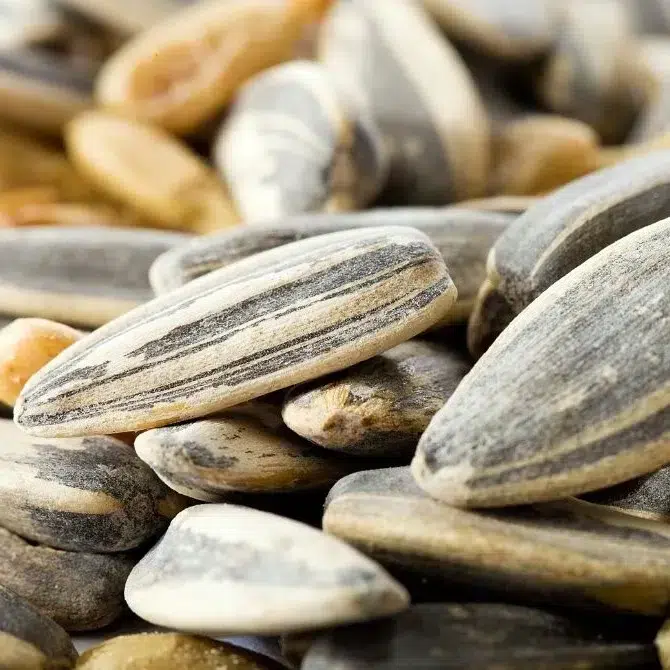
The raw material, the sunflower seed, is a complex biological structure comprised of a hull (pericarp), kernel (cotyledon), and embryo. The pericarp's primary components are cellulose, hemicellulose, and lignin, contributing to its structural integrity and providing protection. The kernel, the source of oil, is predominantly composed of triglycerides (approximately 40-60%), proteins (18-25%), carbohydrates (10-15%), and fiber. Manufacturing begins with controlled breeding programs focused on maximizing oil content and desired fatty acid profiles (oleic, linoleic). Seed production involves careful land preparation, planting density optimization, and precise irrigation management. Harvesting is critical, with moisture content needing to be carefully controlled (typically 8-12%) to prevent fungal growth and seed damage. The post-harvest processing includes cleaning, drying, dehulling, and grading. Parameter control during drying is paramount; temperatures exceeding 45°C can denature proteins and reduce oil quality. Dehulling utilizes mechanical abrasion, requiring careful calibration to minimize kernel breakage. Seed grading is based on size, shape, and density, employing screens and air separation technologies. Chemical compatibility during storage is a concern; exposure to oxygen and moisture can lead to lipid oxidation and rancidity, requiring controlled atmosphere storage (nitrogen flushing).
Performance & Engineering
Performance is largely dictated by the seed’s oil content and fatty acid composition. Oil yield is a critical factor, directly influencing the economic viability of extraction. The oil’s stability against oxidation, determined by its iodine value, impacts shelf life and processing requirements. Protein content affects the nutritional value of the seed meal byproduct, utilized in animal feed. Force analysis related to seed handling and dehulling focuses on fracture toughness and impact resistance. Seeds must withstand significant compressive forces during processing without excessive breakage. Environmental resistance centers on tolerance to temperature fluctuations, humidity, and pest infestation during storage. Compliance requirements include adherence to food safety regulations (e.g., maximum levels of mycotoxins, pesticide residues), and labeling standards related to genetically modified organisms (GMOs). Functional implementation within the oil extraction process necessitates specific seed characteristics. For example, a higher oil content reduces solvent consumption during extraction, increasing efficiency. Proper seed size uniformity facilitates consistent extraction rates and reduces processing bottlenecks.
Technical Specifications
| Parameter | Unit | Specification (601 Grade) | Testing Method |
|---|---|---|---|
| Oil Content | % (Dry Basis) | 48 – 52 | Soxhlet Extraction (AOCS Official Method Ja 5) |
| Protein Content | % (Dry Basis) | 18 – 22 | Kjeldahl Method (AOCS Official Method Ba 3) |
| Moisture Content | % | ≤ 9.0 | Oven Drying (AOCS Official Method Ca 14) |
| Germination Rate | % | ≥ 85 | ISTA Seed Testing Rules |
| Kernel Size (Diameter) | mm | 14 – 16 | Sieve Analysis |
| Broken Kernels | % | ≤ 3.0 | Visual Inspection |
Failure Mode & Maintenance
Failure modes for sunflower seeds 601 can be categorized into biological degradation and physical damage. Biological degradation includes fungal contamination (e.g., Aspergillus flavus, producing aflatoxins), insect infestation, and lipid oxidation leading to rancidity. This is accelerated by high moisture content and improper storage conditions. Physical damage encompasses kernel breakage during harvesting, dehulling, or handling, reducing oil yield and increasing fines. Fatigue cracking within the pericarp can occur due to repeated stress during handling and storage, weakening its protective function. Delamination of the kernel can occur during drying if the process is not controlled. Maintenance focuses on preventative measures: proper drying and storage techniques (temperature control, humidity control, aeration, insect control), regular inspection for fungal growth and insect activity, and implementation of robust sanitation protocols. Optimized seed handling equipment and procedures are crucial to minimize physical damage. Storage facilities should be regularly cleaned and disinfected to prevent microbial contamination. Monitoring key parameters like moisture content and temperature is essential for early detection of potential issues.
Industry FAQ
Q: What is the typical shelf life of High Quality Sunflower Seeds 601 under optimal storage conditions?
A: Under optimal storage conditions – cool (≤15°C), dry (≤65% relative humidity), and dark – High Quality Sunflower Seeds 601 typically maintain viable oil content and germination rates for up to 18-24 months. However, regular monitoring of moisture content and periodic testing for lipid oxidation are recommended.
Q: How does the fatty acid profile of 601 compare to other common sunflower seed varieties?
A: 601 is bred for a high oleic acid content (typically >70%), contributing to improved oxidative stability and longer shelf life compared to linoleic-dominant varieties. Linoleic acid levels are generally kept below 15%. This profile makes the resulting oil suitable for applications requiring high heat stability, like frying.
Q: What are the key indicators of aflatoxin contamination, and what preventative measures are in place?
A: Visual inspection for mold growth is a primary indicator. Quantitative analysis using ELISA or HPLC methods is crucial for accurate determination of aflatoxin levels. Preventative measures include careful drying to minimize moisture content, proper storage practices, and the application of preventative fungicides approved for use on sunflower crops. Regular testing of seed batches is also vital.
Q: What is the tolerance for foreign material (e.g., stems, leaves, weed seeds) in a 601 seed lot?
A: The tolerance for foreign material is generally ≤1.0%. This is assessed through visual inspection and sieving. Stringent cleaning processes are employed during post-harvest processing to remove extraneous matter and ensure seed purity.
Q: How does germination rate impact the value of the seeds, even if destined for oil extraction?
A: While seeds destined solely for oil extraction don’t directly require high germination rates, a high germination rate indicates seed viability and overall quality. Lower germination rates often correlate with increased levels of damage or degradation, potentially affecting oil yield and quality. It also provides a buffer for customers who may also utilize the seeds for replanting purposes.
Conclusion
High Quality Sunflower Seeds 601 represent a meticulously engineered agricultural input, optimized for high oil yield, consistent quality, and predictable performance. Their manufacturing process demands stringent control over both biological and physical parameters, from breeding programs to post-harvest handling. Understanding the material science underpinning seed structure and degradation, alongside adherence to relevant industry standards, is crucial for maximizing value and minimizing risks.
The consistent specification of 601, particularly regarding oil content and fatty acid profile, addresses a critical pain point within the edible oil industry – the need for stable and reliable raw materials. Continued investment in improved storage techniques and quality control protocols will further enhance the longevity and value of these seeds, ensuring a sustainable supply chain for downstream processors and end consumers.
