Introduction
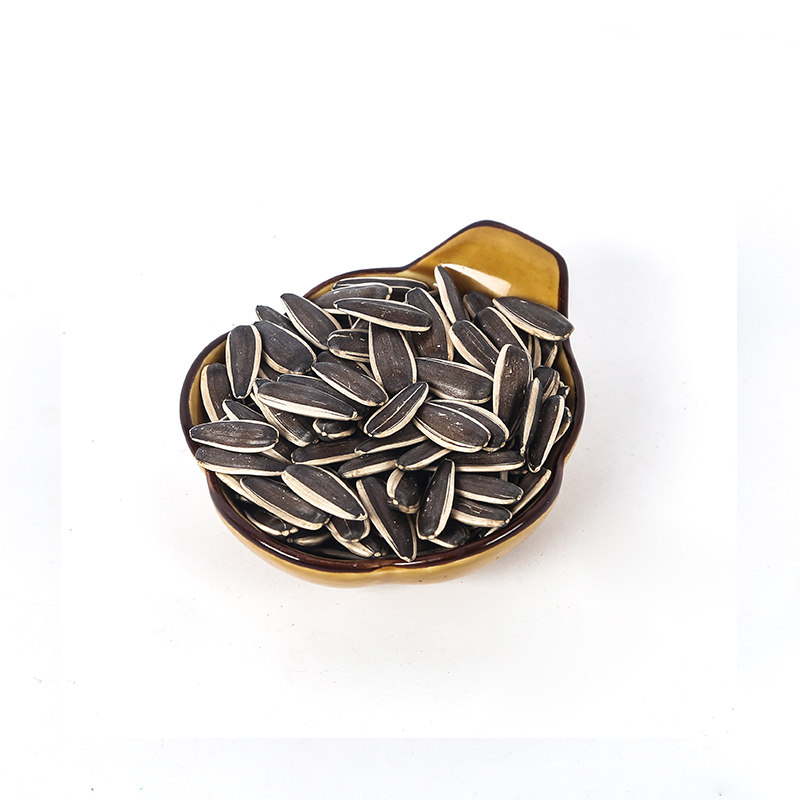
Sunflower seeds 5009 represent a high-oleic acid variety of Helianthus annuus, cultivated for edible oil production and direct consumption. Positioned within the agricultural commodity chain between primary cultivation and processing (oil extraction, confectionery), these seeds are characterized by a specific fatty acid profile, kernel size, and low moisture content. Core performance indicators center around oil yield (%), protein content (%), moisture content (%), and germination rate (%), all critically influencing both processing efficiency and end-product quality. The 5009 variety is favored for its superior oil stability due to the high oleic acid content, reducing the need for hydrogenation and resulting in a healthier oil profile. This technical guide provides an in-depth examination of the material science, manufacturing processes, performance characteristics, potential failure modes, and relevant industry standards governing sunflower seeds 5009.
Material Science & Manufacturing
The primary raw material is the sunflower hybrid 5009. Botanically, the seed comprises a kernel (embryo and cotyledons) surrounded by a hull (pericarp). The kernel’s oil content is determined by genetic factors, environmental conditions, and maturity stage. Chemical composition comprises approximately 40-50% oil, 20-30% protein, 10-20% carbohydrate, and 5-10% moisture. The oil is predominantly composed of triglycerides, with a high concentration of oleic acid (typically >70%). Manufacturing begins with field cultivation, demanding precise control over soil composition (pH 6.0-7.5, loamy soils preferred), irrigation, and fertilization. Harvesting is typically mechanical, followed by de-heading and drying to reduce moisture content to 8-10% for optimal storage. Seed cleaning employs a combination of screening, aspiration, and gravity separation to remove debris and broken seeds. Key parameter control involves monitoring kernel moisture content during drying (target 8-10%), controlling harvest timing to maximize oil content, and implementing rigorous quality control procedures to eliminate foreign material. The hull’s lignin content contributes to its structural integrity, requiring significant energy input for hulling in oil extraction processes. Genetic modification is increasingly used to enhance traits such as disease resistance and oil content, necessitating stringent regulatory compliance.
Performance & Engineering
Performance is assessed by several key parameters. Oil yield is directly correlated to seed weight and oil content, influenced by genotype and growing conditions. Force analysis during processing (dehulling, crushing) reveals the compressive strength of the hull and the resistance to shear stress during oil extraction. Environmental resistance relates to seed storage stability; high moisture content promotes fungal growth and mycotoxin production. Germination rate, a measure of seed viability, is critical for replanting and ensuring future crop yields. Compliance requirements include adherence to food safety regulations (e.g., avoiding pesticide residues exceeding permissible limits), and potential GMO labeling regulations based on seed origin. Functional implementation focuses on the efficient conversion of the seeds into edible oil or confectionery products. The high oleic acid content enhances oxidative stability, increasing the shelf life of the oil and reducing the formation of harmful trans fats during frying. The seed's physical dimensions impact the efficiency of processing equipment, dictating optimal screen sizes and cracking pressures. Further engineering considerations involve optimizing the design of storage facilities to control temperature and humidity, minimizing seed deterioration.
Technical Specifications
| Parameter | Unit | Specification (5009 Variety) | Test Method |
|---|---|---|---|
| Oil Content | % (dry weight basis) | 48 – 55 | AOAC Official Method 985.05 |
| Oleic Acid Content | % of total fatty acids | >70 | Gas Chromatography (AOCS Cd 14-91) |
| Moisture Content | % | 8 – 10 | Oven Drying (AACC Method 44-16) |
| Protein Content | % (dry weight basis) | 22 – 28 | Kjeldahl Method (AOCS Ja 4-91) |
| Germination Rate | % | >85 | ISTA Rules (International Seed Testing Association) |
| Kernel Size (Diameter) | mm | 10-14 | Sieve Analysis |
Failure Mode & Maintenance
Failure modes in sunflower seeds 5009 encompass physical damage, biological degradation, and chemical alterations. Physical damage includes cracking during handling and transport, leading to oil leakage and reduced quality. Biological degradation manifests as fungal growth (e.g., Aspergillus flavus), resulting in mycotoxin contamination (aflatoxins). This is exacerbated by high moisture content and improper storage. Insect infestation (e.g., sunflower weevils) can also cause significant damage. Chemical alterations involve lipid oxidation, leading to rancidity and off-flavors, accelerated by exposure to light, oxygen, and elevated temperatures. Maintenance strategies include controlling storage temperature and humidity (recommended <15°C and <65% RH respectively), implementing regular pest control measures, and utilizing appropriate packaging materials (e.g., moisture-barrier bags). Preventive measures also involve ensuring proper seed drying post-harvest and avoiding mechanical damage during processing. Failure analysis typically involves microscopic examination to identify fungal hyphae or insect damage, and gas chromatography to quantify oxidation products. Implementing a robust first-in, first-out (FIFO) inventory management system is crucial to minimize storage duration and reduce the risk of degradation. Periodic seed viability testing is also recommended.
Industry FAQ
Q: What is the significance of the high oleic acid content in the 5009 variety compared to conventional sunflower seeds?
A: The high oleic acid content (>70%) provides superior oxidative stability, resulting in a longer shelf life for the oil and reduced susceptibility to rancidity. It also allows for the production of healthier oil, as it minimizes the need for hydrogenation, which creates trans fats. This translates to lower processing costs and a more desirable end product for both industrial and consumer applications.
Q: How does moisture content affect the storage life and quality of sunflower seeds 5009?
A: Moisture content is a critical factor. Above 10%, it promotes fungal growth and mycotoxin production, rendering the seeds unusable for human or animal consumption. Maintaining a moisture content of 8-10% through proper drying and storage is essential for preserving seed viability and preventing spoilage.
Q: What are the primary contaminants of concern in sunflower seeds, and how are they monitored?
A: The primary contaminants are mycotoxins (especially aflatoxins) produced by fungi like Aspergillus, insect fragments, and pesticide residues. Monitoring involves regular sampling and laboratory analysis using techniques like HPLC for mycotoxins and GC-MS for pesticide residues. Compliance with regulatory limits is paramount.
Q: What factors influence the germination rate of sunflower seeds 5009, and what is considered an acceptable rate for commercial purposes?
A: Germination rate is affected by seed age, storage conditions, genetic purity, and physical damage. An acceptable rate for commercial purposes is generally >85%, as determined by standardized germination tests conducted according to ISTA rules. Lower germination rates indicate reduced viability and potential yield losses.
Q: What packaging materials are recommended for long-term storage of sunflower seeds 5009 to prevent degradation?
A: Moisture-barrier bags made of polyethylene or polypropylene, often with an inner liner of aluminum foil, are recommended. The bags should be tightly sealed to prevent moisture ingress and exposure to oxygen. Storage in a cool, dry, and dark environment is also crucial to minimize lipid oxidation and preserve seed quality.
Conclusion
Sunflower seeds 5009, characterized by their high oleic acid content and optimized agronomic traits, represent a significant advancement in sunflower cultivation and oil production. The performance characteristics are intrinsically linked to meticulous control throughout the entire lifecycle – from genetic selection and agricultural practices to post-harvest handling, storage, and processing. Understanding the material science underpinning seed composition and the potential failure modes associated with improper handling is critical for maximizing yield, ensuring product quality, and meeting stringent regulatory standards.
Continued research focusing on enhancing disease resistance, improving oil yield, and developing sustainable agricultural practices will further solidify the position of sunflower seeds 5009 as a valuable commodity within the global food and biofuel industries. Implementing robust quality control protocols and adhering to established industry standards are essential for maintaining the integrity and marketability of this important crop.
