
Introduction
High quality sunflower seeds, specifically varieties designated 361 and 363, represent a critical component within the global edible oil and snack food industries. These seeds are Helianthus annuus, a species cultivated for its oil-rich kernels and edible seeds. Their position in the supply chain begins with agricultural production, progresses through cleaning, dehulling, and drying processes, and culminates in consumption as a direct food product or as a raw material for oil extraction. Core performance characteristics are defined by oil content (typically 42-58% by weight), protein content (20-25%), hull percentage, and kernel size consistency. The economic viability and market acceptance of these seeds are significantly impacted by factors such as yield, disease resistance, and oil quality profiles (oleic vs. linoleic acid ratios). Maintaining consistent quality and minimizing mycotoxin contamination are paramount concerns for producers and processors.
Material Science & Manufacturing
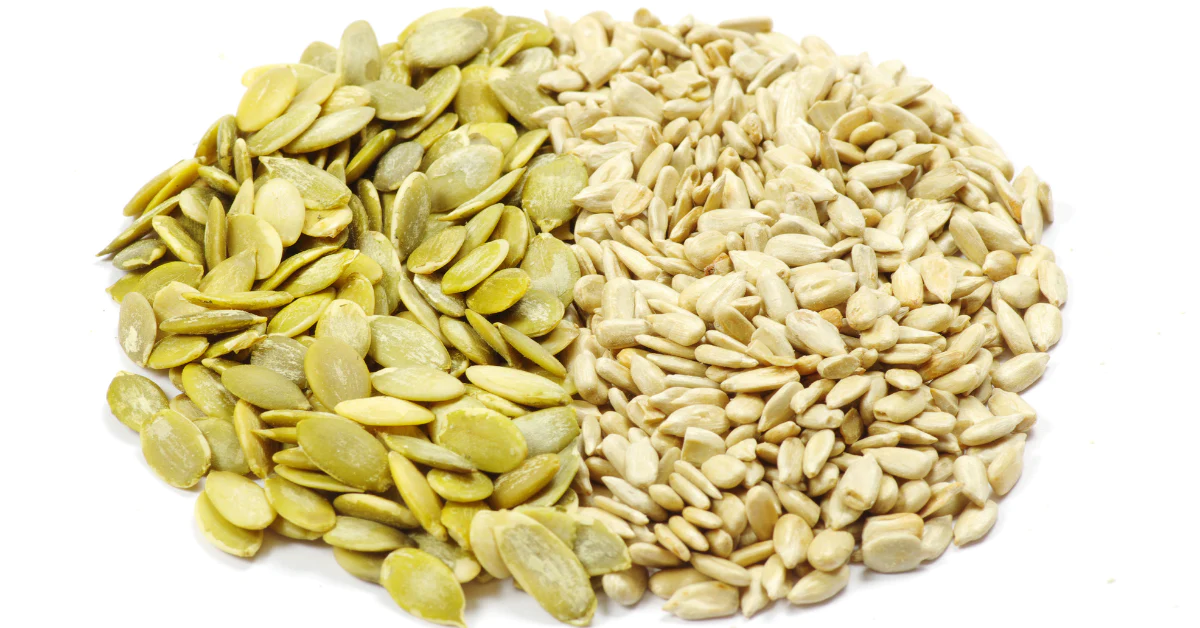
Sunflower seeds 361 and 363 are composed of a complex matrix of lipids, proteins, carbohydrates, and fiber. The kernel consists primarily of triglycerides, with a varying proportion of saturated, monounsaturated (oleic acid), and polyunsaturated (linoleic acid) fatty acids. The hull, a protective outer layer, is largely cellulose and lignin. Manufacturing begins with seed selection, focusing on maturity and absence of damage. Cleaning processes remove debris, stems, and other foreign materials using air separation, screening, and magnetic separation. Dehulling is crucial, accomplished via mechanical abrasion or impact. Proper dehulling minimizes oil loss and increases the value of the kernels. Drying is performed to reduce moisture content to approximately 8-10%, inhibiting microbial growth and enzymatic activity. This process employs controlled temperature and airflow to prevent kernel cracking or discoloration. Seed coating, sometimes applied, utilizes polymers and inert materials to enhance flowability, protect against pests, and improve handling characteristics. Key parameter control centers on maintaining optimal moisture levels during drying (typically 40-60°C), achieving efficient dehulling without damaging the kernel, and ensuring consistent seed size and shape.
Performance & Engineering
The performance of sunflower seeds 361 and 363 is critically tied to their mechanical strength and resistance to environmental factors during handling and storage. Force analysis focuses on kernel hardness, which impacts dehulling efficiency and resistance to breakage during processing. Hull strength influences the efficacy of the dehulling process and the resulting kernel yield. Environmental resistance centers on preventing lipid oxidation, a major cause of rancidity and quality degradation. This necessitates proper storage conditions: low temperature (below 15°C), low oxygen levels, and protection from light. Compliance requirements vary by region, but generally include standards for mycotoxin levels (aflatoxins, ochratoxins), pesticide residues, and heavy metal contamination. Functional implementation depends on the end-use. For direct consumption, seed size and shape consistency are important for consumer preference. For oil extraction, oil content and fatty acid profile are key parameters. Moisture content influences both processing efficiency and the final oil yield. Seed germination rates are also a critical performance indicator for seed intended for replanting.
Technical Specifications
| Parameter | Unit | 361 Variety | 363 Variety |
|---|---|---|---|
| Oil Content (Dry Basis) | % | 48.5 - 52.0 | 44.0 - 47.5 |
| Protein Content (Dry Basis) | % | 21.0 - 24.0 | 22.0 - 25.0 |
| Hull Percentage | % | 28.0 - 32.0 | 30.0 - 35.0 |
| Kernel Weight (1000 Kernels) | g | 4.5 - 5.5 | 4.0 - 5.0 |
| Oleic Acid Content (of Total Fat) | % | 60.0 - 75.0 | 30.0 - 45.0 |
| Linoleic Acid Content (of Total Fat) | % | 15.0 - 30.0 | 45.0 - 60.0 |
Failure Mode & Maintenance
Sunflower seeds 361 and 363 are susceptible to several failure modes during storage and processing. Lipid oxidation, induced by exposure to oxygen, light, and elevated temperatures, leads to rancidity and decreased oil quality. This manifests as off-flavors and a reduction in nutritional value. Mechanical damage during harvesting, dehulling, or drying can cause kernel breakage, reducing processing yield and increasing the risk of contamination. Insect infestation represents a significant threat, resulting in seed loss and the introduction of toxins. Mold growth, particularly Aspergillus species, leads to mycotoxin contamination (aflatoxins), rendering the seeds unsuitable for consumption. Maintenance strategies focus on implementing stringent storage protocols: maintaining low temperatures (below 15°C), controlling humidity (below 65%), ensuring adequate ventilation, and implementing pest control measures. Regular inspection for signs of infestation or mold growth is crucial. Proper cleaning and sanitation of processing equipment minimize contamination risks. Antioxidant treatments can be applied to slow lipid oxidation. Seed coating with antifungal agents can inhibit mold growth.
Industry FAQ
Q: What are the critical factors influencing the shelf life of these sunflower seeds?
A: The primary determinants of shelf life are moisture content, temperature, oxygen exposure, and light exposure. High moisture content promotes microbial growth and enzymatic activity, accelerating spoilage. Elevated temperatures accelerate lipid oxidation. Oxygen and light exacerbate oxidation processes. Maintaining low moisture content (8-10%), storing seeds at temperatures below 15°C, utilizing oxygen-barrier packaging, and protecting from light are essential for maximizing shelf life.
Q: How do the fatty acid profiles of 361 and 363 varieties impact their suitability for different applications?
A: The 361 variety, with its higher oleic acid content, is preferred for applications requiring oxidative stability, such as high-temperature frying or long-term storage. Oleic acid is more resistant to oxidation than linoleic acid. The 363 variety, with its higher linoleic acid content, may be preferred for applications where specific nutritional properties are desired, or for applications where a more liquid oil is required.
Q: What are the acceptable limits for aflatoxin contamination, and how is compliance ensured?
A: Acceptable limits for aflatoxin contamination vary by region, but typically range from 5-20 parts per billion (ppb). Compliance is ensured through rigorous testing at multiple stages of the supply chain: pre-harvest sampling, post-harvest testing, and processing facility monitoring. Analytical methods, such as ELISA and HPLC, are used to quantify aflatoxin levels. Seeds exceeding the acceptable limits are rejected or diverted for non-food uses.
Q: What dehulling techniques are most effective in minimizing kernel damage and maximizing yield?
A: Impact dehulling and abrasive dehulling are the most common techniques. Impact dehulling, utilizing a controlled impact force, generally results in less kernel damage but may require more precise calibration. Abrasive dehulling, using rotating abrasive surfaces, is more efficient for removing hulls but carries a higher risk of kernel breakage. Optimal dehulling parameters depend on seed variety, moisture content, and equipment design. Careful monitoring and adjustment of dehulling pressure and speed are crucial.
Q: How does the hull percentage affect the economic value of the seeds?
A: Lower hull percentages translate to higher economic value, as a greater proportion of the seed weight is comprised of valuable kernels. Hull removal adds cost to the processing operation. Seeds with lower hull percentages require less dehulling effort, resulting in lower processing costs and higher yields of kernels for oil extraction or direct consumption. The 361 variety typically exhibits a lower hull percentage than the 363 variety, contributing to its higher market value.
Conclusion
Sunflower seeds 361 and 363 are versatile agricultural commodities with significant economic importance. Their quality, performance, and suitability for various applications are determined by a complex interplay of genetic factors, manufacturing processes, and storage conditions. Understanding the underlying material science, potential failure modes, and relevant industry standards is paramount for ensuring consistent quality and maximizing value throughout the supply chain.
Future developments in sunflower seed technology are likely to focus on enhancing oil content, improving fatty acid profiles, increasing disease resistance, and developing more efficient dehulling and processing techniques. Adherence to rigorous quality control measures and sustainable agricultural practices will be crucial for meeting the growing global demand for high-quality sunflower seeds and their derived products.
