Introduction
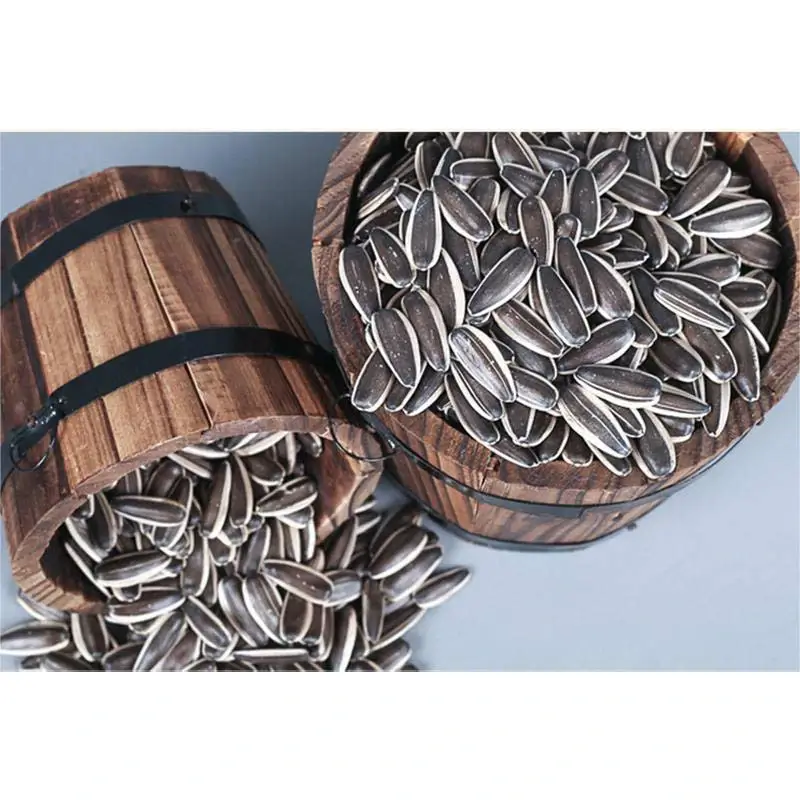
Sunflower seeds 361/363/601 represent a high-oleic acid content variety cultivated for human consumption and industrial oil extraction. Their technical position within the agricultural supply chain lies as a post-harvest primary product, vital for the confectionary, snack food, and biofuel sectors. These varieties, distinguished by their seed size and oil profile, occupy a specific niche requiring stringent quality control at each stage of production – from breeding and cultivation to harvesting, drying, dehulling, and grading. Core performance characteristics are defined by oil yield, protein content, fatty acid composition, kernel size, and the presence or absence of hull, all of which directly impact processing efficiency and end-product quality. A key industry pain point centers around maintaining consistent oil content across batches, minimizing the presence of aflatoxins, and ensuring compliance with stringent food safety regulations imposed by global importing nations. Varietal purity and consistent genetic expression are also critical concerns for processors seeking predictable performance in their operations. The specific numerical designations (361, 363, 601) denote distinct breeding lines optimized for specific agronomic traits and oil quality parameters, adding complexity to the supply chain and necessitating precise seed identification.
Material Science & Manufacturing
The fundamental material science of sunflower seeds centers on their biochemical composition. The kernel comprises approximately 42-58% oil, primarily linoleic acid (C18:2) and oleic acid (C18:1), with 361/363/601 varieties exhibiting significantly elevated oleic acid levels (typically >70%). Protein content ranges from 18-25%, consisting of globulins, albumins, and other storage proteins. Carbohydrates (10-20%) are predominantly starch. The hull, a protective outer layer, is composed primarily of cellulose, hemicellulose, and lignin. Manufacturing begins with breeding programs focused on optimizing these parameters. Cultivation requires well-drained soil and adequate sunlight. Harvesting is typically mechanized, followed by drying to reduce moisture content to around 8-10% to prevent fungal growth and preserve oil quality. Dehulling, a critical processing step, separates the kernel from the hull, impacting oil yield and product purity. This is typically achieved through mechanical abrasion or impact. Parameter control during drying is paramount; excessive temperatures can degrade oil quality, leading to increased free fatty acid content and reduced shelf life. Seed grading, employing sieves and optical sorters, ensures uniformity in kernel size and removes foreign matter. The chemical compatibility of sunflower oil is a significant consideration; it’s susceptible to oxidation, necessitating the addition of antioxidants during processing and storage. The presence of phospholipids contributes to oil instability, requiring refining steps such as degumming and bleaching.
Performance & Engineering
Performance assessment of sunflower seeds 361/363/601 involves rigorous analysis of oil quality parameters. Iodine value, a measure of unsaturation, is a key indicator, with higher values indicating greater susceptibility to oxidation. Peroxide value quantifies the extent of oxidation, serving as a critical quality control metric. Acid value indicates the presence of free fatty acids, reflecting oil degradation. These parameters are governed by engineering controls throughout the processing chain. Environmental resistance is assessed through field trials, evaluating the varieties’ tolerance to drought, pests (e.g., sunflower moths), and diseases (e.g., rust). Compliance requirements are dictated by international food safety standards, including maximum permissible levels of aflatoxins (aflatoxin B1, B2, G1, G2) as regulated by the European Union (Regulation 1881/2006) and the U.S. Food and Drug Administration (FDA). Force analysis during dehulling considers the impact force required to separate the kernel from the hull without causing damage. The mechanical properties of the hull, including tensile strength and fracture toughness, influence dehulling efficiency. Oil extraction efficiency is dependent on factors such as seed size, moisture content, and the type of extraction method (mechanical pressing or solvent extraction). The functional implementation of these seeds is tied to their stability under varying temperature and humidity conditions, impacting shelf life and processing performance in snack food applications.
Technical Specifications
| Parameter | Unit | 361 | 363 | 601 |
|---|---|---|---|---|
| Oil Content | % | 52.5-56.0 | 54.0-57.5 | 50.0-54.0 |
| Oleic Acid Content | % | 75-82 | 80-85 | 70-78 |
| Linoleic Acid Content | % | 15-20 | 10-15 | 20-25 |
| Protein Content | % | 20-24 | 21-25 | 18-22 |
| Kernel Size (Diameter) | mm | 12.0-14.0 | 13.0-15.0 | 10.0-12.0 |
| Hull Percentage | % | 28-32 | 25-30 | 30-35 |
Failure Mode & Maintenance
Sunflower seeds 361/363/601 are susceptible to several failure modes. Aflatoxin contamination, caused by Aspergillus fungi, is a primary concern, particularly during storage in humid conditions. This manifests as discoloration and reduced oil quality. Lipid oxidation, leading to rancidity, occurs due to exposure to oxygen, light, and elevated temperatures. This causes a decrease in nutritional value and undesirable flavors. Mechanical damage during dehulling or processing can result in kernel breakage, reducing oil yield and increasing fines. Insect infestation, by pests like the sunflower weevil, can cause direct seed loss and introduce contaminants. Prolonged storage can lead to a decline in germination rates, impacting seed viability for future planting. Maintenance strategies involve rigorous cleaning and disinfection of storage facilities to prevent fungal growth and insect infestation. Temperature and humidity control during storage are critical. The use of airtight storage containers and inert gas flushing (nitrogen) can minimize oxidation. Regular monitoring for aflatoxin levels is essential. Implementing proper dehulling parameters to minimize kernel damage, and preventative pest control measures are also vital. Seed treatment with fungicides can help prevent fungal growth during storage.
Industry FAQ
Q: What is the primary advantage of the high oleic acid content in varieties 361/363/601 compared to traditional sunflower seeds?
A: The high oleic acid content significantly improves oxidative stability, extending the shelf life of both the seeds and the extracted oil. This reduces the need for artificial antioxidants and makes the oil more suitable for high-heat applications like frying, resulting in a healthier and more stable end product.
Q: How do you ensure consistent aflatoxin levels remain within regulatory limits?
A: We employ a multi-faceted approach. This includes sourcing seeds from regions with low aflatoxin risk, implementing strict pre-harvest and post-harvest handling protocols (rapid drying, proper storage), regular aflatoxin testing throughout the process, and employing quality control measures to eliminate contaminated batches.
Q: What is the impact of hull percentage on the efficiency of oil extraction?
A: A lower hull percentage generally leads to higher oil extraction efficiency, as the hull itself contains minimal oil. However, hull percentage can also influence the mechanical properties during processing, and excessive dehulling can result in kernel damage. We optimize dehulling parameters to balance oil yield and kernel integrity.
Q: What storage conditions are recommended to maintain the quality of these sunflower seeds over extended periods?
A: Optimal storage conditions involve maintaining a cool, dry, and well-ventilated environment. The recommended temperature is below 20°C (68°F) and the relative humidity should be kept below 65%. Storage in airtight containers or silos with inert gas blanketing (nitrogen) is highly recommended to minimize oxidation and insect infestation.
Q: How does the seed size (kernel diameter) impact the processing and end-use applications?
A: Seed size influences dehulling efficiency and the surface area-to-volume ratio, affecting oil extraction rates. Larger seeds are often preferred for snack food applications due to their fuller kernel, while smaller seeds may be more suitable for oil extraction. Uniform seed size is also crucial for consistent processing performance.
Conclusion
Sunflower seeds 361/363/601 represent a technologically advanced agricultural product characterized by a superior oil profile and consistent performance. The optimization of these varieties requires a comprehensive understanding of material science principles, rigorous process control throughout the manufacturing chain, and adherence to stringent international quality standards. The high oleic acid content significantly enhances the stability and nutritional value of the resulting oil, making it a desirable ingredient for a wide range of food and industrial applications.
Future developments will likely focus on further increasing oleic acid content, improving resistance to pests and diseases through genetic engineering, and optimizing processing techniques to maximize oil yield and minimize environmental impact. Maintaining consistent quality and traceability throughout the supply chain will remain paramount, as will continued compliance with evolving food safety regulations. The ongoing demand for sustainable and healthy oil sources ensures a continued role for these sunflower varieties in the global agricultural landscape.
