Introduction
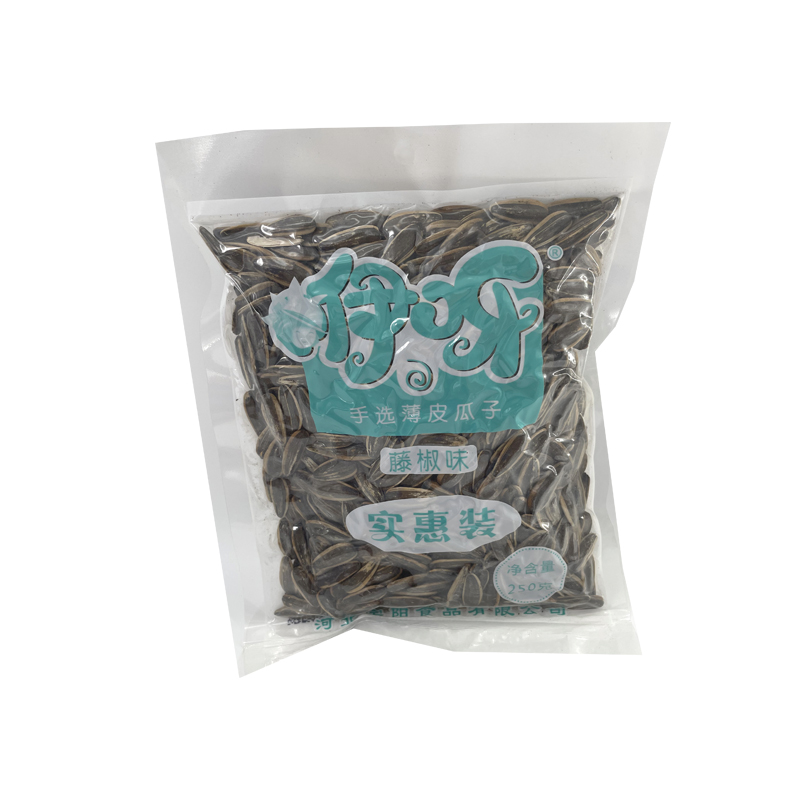
High-quality sunflower seeds, particularly those enriched with Vitamin E, represent a significant commodity within the global food and nutraceutical industries. Positioned as a functional food, these seeds occupy a specific niche differentiated by their high oil content, substantial linoleic acid profile, and potent antioxidant capacity stemming from the Vitamin E concentration (primarily alpha-tocopherol). This guide provides an in-depth technical overview, encompassing the material science of the seed itself, the manufacturing processes that impact quality, performance characteristics related to nutritional value and stability, common failure modes impacting shelf-life, and pertinent industry standards. The core pain points surrounding sunflower seed quality often relate to aflatoxin contamination, rancidity development due to lipid oxidation, and maintaining consistent Vitamin E levels throughout processing and storage. This document addresses these challenges from a materials and process engineering perspective.
Material Science & Manufacturing
The sunflower seed ( Helianthus annuus) kernel is primarily composed of approximately 50-60% oil, 20-30% protein, 10-20% carbohydrate, and 5-10% hull. The oil is rich in polyunsaturated fatty acids (PUFAs), particularly linoleic acid (around 60-70%), making it susceptible to oxidative degradation. Vitamin E, present as α-, β-, γ-, and δ-tocopherols, acts as a natural antioxidant, mitigating lipid peroxidation. The seed hull provides a physical barrier but offers limited protection against oxygen and moisture. Manufacturing begins with harvesting, followed by drying to a moisture content of approximately 9-10% to inhibit microbial growth. Decortication (removing the hull) is critical; gentle methods minimize kernel damage and oil loss. Subsequent cleaning and grading categorize seeds based on size and density. Roasting is a common processing step, influencing flavor development and enzyme inactivation, but must be carefully controlled to avoid excessive Vitamin E degradation. Oil extraction, typically through mechanical pressing or solvent extraction (hexane), further refines the product. Parameter control during drying (temperature, airflow), decortication (impact force, abrasion), and roasting (temperature, duration) is paramount to preserving nutritional integrity and minimizing defects. Seed variety (hybrids bred for high oleic acid or Vitamin E content) also significantly influences final product quality.
Performance & Engineering
Performance is largely defined by oxidative stability, Vitamin E retention, and sensory attributes. Lipid oxidation is the primary degradation pathway, leading to rancidity and a decrease in nutritional value. This process is autocatalytic, accelerating with temperature, oxygen exposure, and the presence of metal ions. The efficiency of Vitamin E as an antioxidant is dependent on its concentration and accessibility. Force analysis during decortication and handling dictates the percentage of broken kernels, influencing both process yield and quality. Environmental resistance, specifically moisture permeability of packaging materials, directly impacts shelf-life. Compliance requirements include limits on aflatoxin B1 (a potent carcinogen produced by Aspergillus flavus), permissible levels of pesticide residues, and adherence to food safety standards. Functional implementation focuses on maximizing Vitamin E bioavailability – encapsulation techniques and the addition of other antioxidants (e.g., rosemary extract) can enhance stability and absorption. Furthermore, the mechanical integrity of the seed (hardness, shell strength) affects processing efficiency and minimizes kernel damage.
Technical Specifications
| Parameter | Unit | Typical Value (High Quality Seed) | Acceptable Range |
|---|---|---|---|
| Oil Content | % (Dry Basis) | 55-60 | 48-65 |
| Protein Content | % (Dry Basis) | 20-25 | 18-30 |
| Linoleic Acid | % of Total Fatty Acids | 60-70 | 50-75 |
| Vitamin E (α-Tocopherol) | mg/100g | 50-80 | 30-100 |
| Moisture Content | % | 8-9 | <10 |
| Aflatoxin B1 | ppb | <2 | <20 (Regulatory Limit) |
Failure Mode & Maintenance
Common failure modes include rancidity development (lipid oxidation), vitamin E degradation, aflatoxin contamination, and physical damage (broken kernels, shell fragments). Rancidity is characterized by off-flavors and odors, stemming from the oxidation of unsaturated fatty acids. Vitamin E degradation occurs through oxidation, heat exposure, and UV light. Aflatoxin contamination is a critical food safety concern, occurring during pre-harvest and post-harvest stages, particularly in humid conditions. Physical damage reduces product quality and increases processing losses. Maintenance strategies encompass optimized storage conditions (low temperature, low humidity, inert gas packaging), the use of antioxidants (Vitamin E, rosemary extract), rigorous quality control for aflatoxin, and gentle handling practices throughout processing. Regular monitoring of peroxide value (PV) and acid value (AV) is essential for assessing lipid oxidation. Periodic Vitamin E assays confirm nutrient retention. Proper cleaning and sanitation procedures minimize microbial contamination. Packaging materials with low oxygen transmission rates (OTR) and moisture vapor transmission rates (WVTR) are crucial for extending shelf-life.
Industry FAQ
Q: What are the primary factors affecting Vitamin E stability during sunflower seed oil extraction and refining?
A: The primary factors are temperature, exposure to oxygen, presence of metal ions, and the efficiency of the refining process. High temperatures during extraction and deodorization can degrade Vitamin E. Oxygen exposure during all stages accelerates oxidation. Metal ions (iron, copper) act as catalysts for oxidation. Refining processes like bleaching can also remove some Vitamin E if not carefully controlled. Inert gas blanketing and short processing times are crucial mitigation strategies.
Q: How do different packaging materials impact the shelf life of roasted sunflower seeds in terms of rancidity development?
A: Packaging materials with high OTR and WVTR allow oxygen and moisture ingress, accelerating rancidity. Multi-layer films incorporating metallized layers (aluminum) or EVOH (ethylene vinyl alcohol) provide excellent barrier properties. Modified atmosphere packaging (MAP) using nitrogen gas further reduces oxygen levels. Foil pouches generally offer the best protection, followed by high-barrier plastic films.
Q: What analytical methods are used to quantify aflatoxin levels in sunflower seeds, and what are the accepted regulatory limits?
A: High-Performance Liquid Chromatography with Immunaffinity cleanup (HPLC-IC) is the most common method for quantifying aflatoxin B1. Enzyme-Linked Immunosorbent Assay (ELISA) is also used for rapid screening. Regulatory limits vary by country, but the US FDA limit is 20 ppb, and the European Union limit is generally similar. Regular monitoring is essential for compliance.
Q: How does the sunflower seed genotype (variety) impact its susceptibility to lipid oxidation and Vitamin E content?
A: Sunflower seed varieties differ significantly in their fatty acid profiles and Vitamin E levels. High-oleic acid varieties are less susceptible to oxidation due to the presence of monounsaturated fats. Varieties bred for high Vitamin E content naturally exhibit greater antioxidant capacity. Genetic selection plays a crucial role in enhancing both nutritional value and oxidative stability.
Q: What role does moisture content play in the development of aflatoxins in sunflower seeds during storage?
A: High moisture content (>10%) promotes the growth of Aspergillus flavus, the fungus responsible for aflatoxin production. Maintaining low moisture content through proper drying and storage is paramount for preventing aflatoxin contamination. Good ventilation and temperature control also help minimize fungal growth.
Conclusion
High-quality sunflower seeds rich in Vitamin E are complex biological matrices susceptible to degradation through multiple pathways. Maintaining product quality requires a holistic approach encompassing careful selection of seed varieties, optimized processing parameters (drying, decortication, roasting, extraction), robust packaging solutions, and stringent quality control measures. Understanding the interplay between material science, manufacturing processes, and environmental factors is critical for mitigating failure modes and ensuring a safe, nutritious, and stable product.
Future research should focus on developing novel encapsulation techniques to further protect Vitamin E during processing and storage, exploring the use of natural antioxidants as alternatives to synthetic preservatives, and optimizing supply chain logistics to minimize exposure to adverse conditions. Continuous monitoring of emerging contaminants and adherence to evolving regulatory standards are also essential for maintaining consumer confidence and industry sustainability.
