Introduction
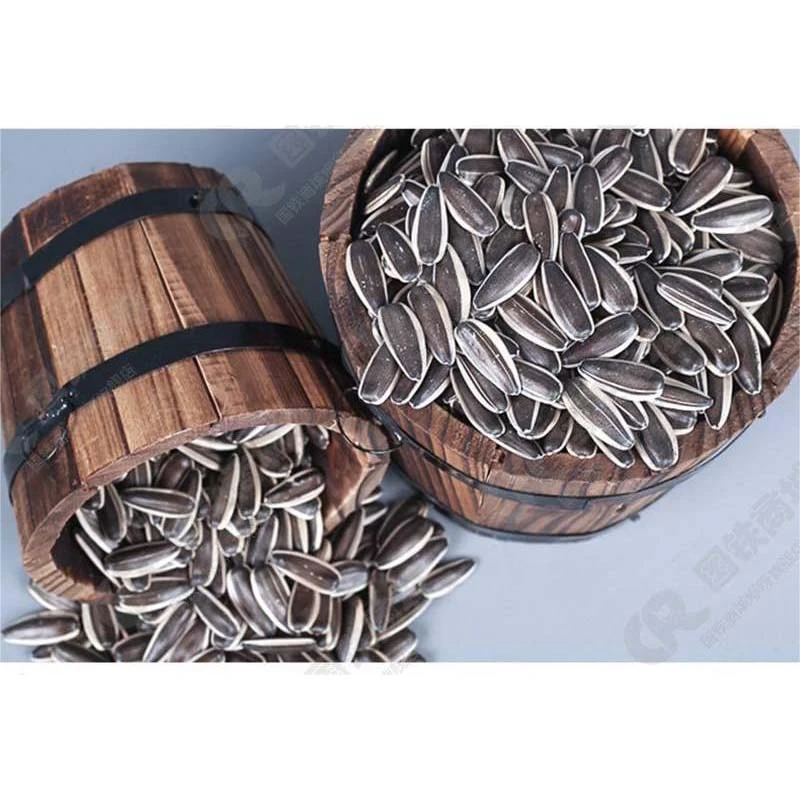
High quality sunflower seed kernels intended for use in cake production represent a specialized segment of the oilseed market demanding rigorous quality control and specific compositional characteristics. Unlike kernels destined for direct consumption or oil extraction, cake-grade sunflower seeds are evaluated primarily on their textural contribution, flavor profile, and minimal off-flavor potential when incorporated into baked goods. This guide details the critical factors governing the quality of these kernels, encompassing botanical origin, processing methodologies, performance attributes relevant to baking applications, potential failure modes, and relevant industry standards. Sunflower seeds contribute a distinct nutty flavor and textural element to cakes, but improper selection or processing can lead to rancidity, undesirable coloration, or compromised structural integrity of the final product. Understanding the nuances of kernel quality is paramount for bakeries and ingredient suppliers aiming for consistent product excellence. The industry chain begins with agricultural production, progresses through drying, dehulling, sizing, optical sorting, and ultimately, packaging for shipment to commercial bakeries.
Material Science & Manufacturing
Sunflower seed kernels are composed primarily of lipids (40-55%), proteins (18-25%), carbohydrates (10-20%), and fiber (5-10%), with the remaining portion comprising moisture and ash. The lipid fraction is dominated by linoleic acid (ω-6) and oleic acid (ω-9), influencing oxidative stability. The protein composition impacts kernel hardness and baking performance. Kernel development is influenced by genetics (hybrid selection) and environmental factors (temperature, precipitation). Manufacturing begins with harvesting at optimal maturity, typically indicated by a blackening of the seed coat and a moisture content of 10-12%. Post-harvest drying is critical to prevent fungal growth and maintain kernel quality. Drying methods include forced-air systems and solar drying. Dehulling removes the outer hull, exposing the kernel. Kernel sizing separates kernels based on diameter, with larger kernels generally preferred for baking due to their increased oil content and improved texture. Optical sorting utilizes cameras and algorithms to remove discolored, damaged, or foreign material. Key process parameters include drying temperature (below 60°C to minimize lipid oxidation), dehulling pressure (optimizing kernel integrity), and sorting accuracy (rejecting defective kernels). Chemical compatibility during processing is primarily concerned with avoiding contact with reactive metals that could catalyze oxidation. Anti-oxidant treatments (Vitamin E, rosemary extract) may be applied post-dehulling.
Performance & Engineering
The performance of sunflower seed kernels in cake batter is governed by their ability to remain structurally intact during mixing and baking, contribute a desirable texture, and release flavor compounds without imparting undesirable off-notes. Force analysis reveals that kernel hardness is positively correlated with baking performance. Kernels that are too brittle tend to fragment during mixing, leading to a gritty texture in the finished cake. Environmental resistance, specifically moisture absorption, is a critical factor. High moisture content promotes microbial growth and rancidity. Packaging materials with low oxygen transmission rates (OTR) and low water vapor transmission rates (WVTR) are essential for preserving kernel quality. Compliance requirements include adherence to food safety regulations (HACCP, GMP) and allergen labeling requirements. Functional implementation necessitates careful consideration of kernel size and proportion within the cake formulation. Excessive kernel content can disrupt the cake’s structural matrix, leading to crumbling or uneven baking. The kernels’ oil content contributes to the cake’s tenderness and moisture retention; however, an imbalance can result in an overly oily or dense texture. Particle size distribution is also essential; consistent kernel size ensures uniform distribution throughout the batter.
Technical Specifications
| Parameter | Unit | Specification (Grade A) | Testing Method |
|---|---|---|---|
| Moisture Content | % w/w | ≤ 8.0 | Oven Drying (AOAC 925.10) |
| Oil Content | % w/w | ≥ 48.0 | Soxhlet Extraction (AOAC 920.39) |
| Kernel Size (Diameter) | mm | 14-18 | Sieve Analysis |
| Broken Kernels & Foreign Matter | % w/w | ≤ 2.0 | Visual Inspection |
| Free Fatty Acid (FFA) | % as oleic acid | ≤ 0.5 | Titration (AOCS Cd 3-63) |
| Peroxide Value (PV) | meq O₂/kg | ≤ 5.0 | Titration (AOCS Cd 8-53) |
Failure Mode & Maintenance
Sunflower seed kernels are susceptible to several failure modes during storage and use. Rancidity, caused by lipid oxidation, is a primary concern, manifesting as off-flavors and aromas. This is accelerated by exposure to oxygen, light, and elevated temperatures. Fatigue cracking can occur during handling and processing, particularly with kernels that have pre-existing micro-cracks. Delamination, the separation of the kernel’s cotyledons, can occur due to excessive moisture absorption and subsequent freeze-thaw cycles. Oxidation of proteins can lead to discoloration and a reduction in nutritional value. Insect infestation is another potential failure mode, particularly during long-term storage. Maintenance strategies include storing kernels in airtight containers, maintaining cool and dry storage conditions (below 15°C and 60% relative humidity), and implementing a first-in, first-out (FIFO) inventory management system. Regular monitoring of moisture content, FFA, and peroxide value is crucial for detecting early signs of deterioration. Packaging with oxygen absorbers and desiccant packets can further extend shelf life. Proper sanitation of processing equipment is essential to prevent microbial contamination.
Industry FAQ
Q: What is the ideal oil content range for sunflower seed kernels intended for cake production, and how does it impact the final product’s texture?
A: The ideal oil content range is typically between 48% and 55%. Higher oil content generally results in a more tender and moist cake crumb, as the oil interferes with gluten development. However, excessively high oil content can lead to an overly greasy texture and compromised structural integrity. Lower oil content may result in a drier, denser cake.
Q: How critical is the moisture content of the kernels upon arrival at a bakery, and what measures should be taken if it exceeds the specified limit?
A: Moisture content is highly critical. Kernels arriving with a moisture content exceeding 8.0% are at increased risk of microbial growth and rancidity. If the moisture content is too high, the kernels should be re-dried using a controlled drying process. Allowing high-moisture kernels to be incorporated into batter can lead to inconsistent baking results and reduced shelf life.
Q: What are the key differences between high-oleic and linoleic sunflower seed kernels, and which is preferred for cake applications?
A: High-oleic kernels contain a significantly higher proportion of oleic acid (ω-9), which confers greater oxidative stability. Linoleic kernels are richer in linoleic acid (ω-6), which is more susceptible to oxidation. High-oleic kernels are generally preferred for cake applications due to their longer shelf life and reduced risk of rancidity, even though they may have a slightly different flavor profile.
Q: What is the significance of the peroxide value (PV) and free fatty acid (FFA) measurements in assessing kernel quality?
A: The peroxide value (PV) indicates the extent of primary oxidation, while the free fatty acid (FFA) value reflects the extent of secondary oxidation (hydrolysis of triglycerides). Elevated PV and FFA values indicate that the kernels have undergone significant oxidative degradation, resulting in off-flavors and reduced nutritional value. These measurements are key indicators of kernel quality and shelf life.
Q: What packaging materials are recommended for long-term storage of sunflower seed kernels to prevent oxidation and moisture absorption?
A: Multi-layer packaging materials with low oxygen transmission rates (OTR) and low water vapor transmission rates (WVTR) are recommended. Materials such as metallized polyester or aluminum foil laminates provide excellent barrier properties. Incorporating oxygen absorbers and desiccant packets within the packaging further enhances protection against oxidation and moisture absorption. Vacuum sealing can also be beneficial.
Conclusion
The quality of sunflower seed kernels used in cake production is a multifaceted consideration extending beyond simple visual inspection. Critical parameters such as oil content, moisture levels, and oxidative stability directly impact the final product’s texture, flavor, and shelf life. Implementing rigorous quality control measures throughout the entire supply chain – from agricultural practices to processing and storage – is essential for ensuring consistent performance. A thorough understanding of the material science underpinning kernel characteristics, coupled with adherence to industry best practices and relevant standards, is paramount for bakers and ingredient suppliers alike.
Future advancements in sunflower breeding may focus on developing varieties with enhanced oxidative stability and improved textural properties specifically tailored for baking applications. Innovative packaging technologies, such as active packaging that releases antioxidants or scavenges oxygen, may further extend shelf life and maintain kernel quality. Continued research into the impact of kernel composition on cake batter rheology and baking behavior will refine formulation strategies and optimize product outcomes. Maintaining consistent quality and innovation in this area are crucial for meeting evolving consumer demands for high-quality baked goods.
