Introduction
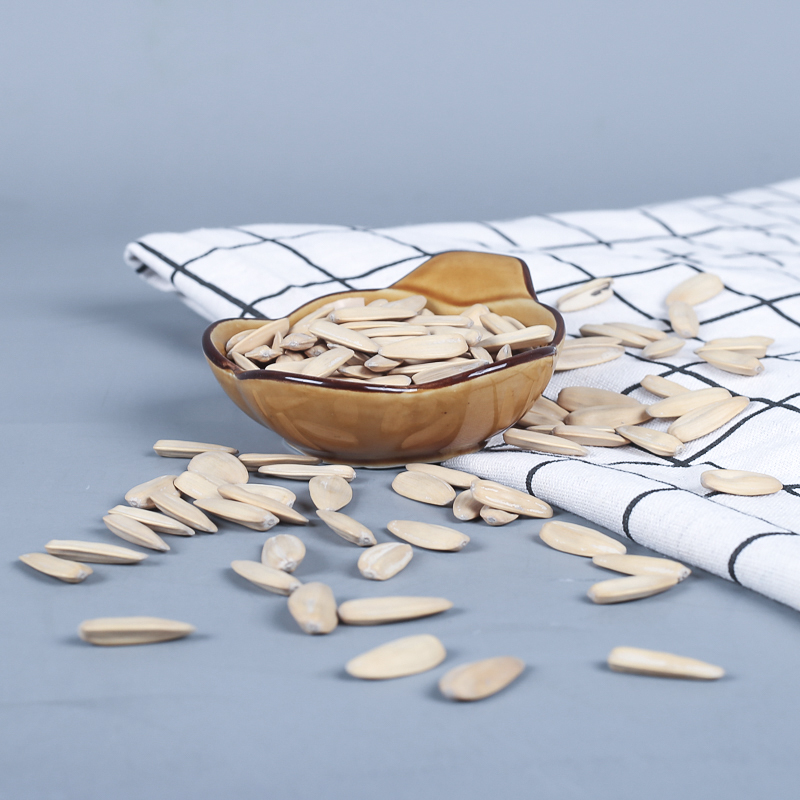
High quality sunflower seed kernels for baking represent a specialized agricultural product positioned within the broader edible oilseed industry and specifically targeting the baking and confectionery sectors. Unlike sunflower seeds intended for oil extraction or direct consumption as a snack, these kernels are selected and processed for optimal performance in baked goods, characterized by consistent size, high oil content, and minimal hull fragments. Their technical position resides in bridging the gap between raw agricultural commodity and formulated food ingredient. Core performance characteristics include contributing to texture, flavor, and nutritional value, as well as maintaining structural integrity during baking processes. The key industry pain point centers around consistency in kernel quality, specifically moisture content, oil percentage, and absence of foreign material, which directly impacts baking performance and product yield. Achieving these consistently requires stringent quality control throughout the entire supply chain, from cultivation to final processing.
Material Science & Manufacturing
Sunflower seed kernels, Helianthus annuus, are primarily composed of lipids (40-55% oil content, primarily linoleic acid), proteins (18-25%), carbohydrates (10-20%, including fiber), and moisture (typically 7-10%). The oil composition significantly influences flavor stability and oxidative potential. Raw material selection focuses on oilseed varieties bred for high oleic acid content to enhance shelf life and reduce rancidity. Manufacturing begins with harvesting and drying to reduce moisture content to around 7%, critical for preventing fungal growth and maintaining kernel integrity. Hulling is a crucial step, utilizing mechanical methods (impact, friction, or aspiration) to remove the outer hull. The efficiency and precision of hulling directly impact the proportion of kernel fragments, a critical quality parameter. Kernel sorting is conducted using optical sorters and gravity separators to remove foreign materials (stems, leaves, stones) and damaged or discolored kernels. Critical parameters during processing include temperature control to prevent oil degradation and minimizing mechanical damage to preserve the kernel structure. Seed density affects processing efficiency and final product quality, impacting the yield of intact kernels. Moisture content is continuously monitored via near-infrared spectroscopy to ensure uniformity and prevent spoilage during storage. Chemical compatibility considerations include avoiding contact with reactive metals that can catalyze oxidation, and appropriate storage in inert atmospheres (nitrogen flushing) or vacuum-sealed packaging.
Performance & Engineering
The performance of sunflower seed kernels in baking applications is governed by their physical properties and chemical composition. Oil content dictates the degree of moisture retention and contributes to the overall texture of the baked product. Higher oil content generally results in a softer crumb. Kernel size and shape influence the distribution of the seeds within the baked good and affect the perceived texture. Force analysis related to crushing and shearing during mixing and dough handling reveals the kernel's structural integrity and its ability to withstand mechanical stress. Environmental resistance is a critical factor during storage. Kernels are susceptible to oxidation, leading to rancidity and off-flavors, particularly when exposed to oxygen, light, and elevated temperatures. Packaging plays a key role in mitigating this. Compliance requirements depend on the target market, but generally include adherence to food safety regulations (e.g., HACCP, GMP) and labeling requirements regarding allergen information and nutritional content. Functional implementation involves precise incorporation rates in formulations to achieve the desired textural and flavor profiles. The kernels’ thermal conductivity impacts baking time and uniformity. The presence of residual hull fragments can influence dough hydration and overall bake quality, often causing undesirable textural effects.
Technical Specifications
| Parameter | Unit | Specification | Test Method |
|---|---|---|---|
| Oil Content | % (by weight) | 48 – 55 | AOAC Official Method 920.39 |
| Moisture Content | % (by weight) | 6.5 – 8.5 | AOAC Official Method 925.09 |
| Kernel Size (Average Diameter) | mm | 7-10 | Sieve Analysis |
| Hull Fragments | % (by weight) | ≤ 2 | Visual Inspection & Weight Difference |
| Free Fatty Acid (FFA) | % (oleic acid) | ≤ 0.5 | AOCS Cd 3-63 |
| Peroxide Value (PV) | meq O2/kg | ≤ 5 | AOCS Cd 8-53 |
Failure Mode & Maintenance
Failure modes for sunflower seed kernels in baking predominantly relate to degradation of quality during storage and suboptimal performance during baking. Rancidity, caused by lipid oxidation, is a primary failure mode, resulting in off-flavors and reduced nutritional value. This is accelerated by exposure to oxygen, light, and heat. Fatigue cracking can occur due to mechanical stress during handling and processing, reducing kernel integrity. Delamination, or the separation of kernel layers, can occur due to improper drying or storage conditions. Biological degradation, including fungal growth and insect infestation, can lead to spoilage and render the kernels unusable. Oxidation of unsaturated fatty acids causes the formation of hydroperoxides, which decompose into volatile aldehydes and ketones responsible for rancid odors. Maintenance solutions include storage in cool, dry, dark conditions, ideally in airtight containers flushed with nitrogen. Implementing a robust First-In, First-Out (FIFO) inventory management system minimizes storage duration. Regular monitoring of moisture content and peroxide value is crucial for detecting early signs of degradation. Proper packaging materials with oxygen barriers are essential. Pest control measures are necessary to prevent insect infestation. For larger-scale operations, controlled atmosphere storage (modified atmosphere packaging) can significantly extend shelf life.
Industry FAQ
Q: What is the significance of the oleic acid content in sunflower seed kernels for baking?
A: Higher oleic acid content significantly enhances the oxidative stability of the kernels, extending their shelf life and reducing the development of rancid flavors during storage and baking. This is due to the single unsaturated bond in oleic acid, making it less susceptible to oxidation compared to polyunsaturated fatty acids like linoleic acid.
Q: How does moisture content impact the performance of sunflower seed kernels in a bread formulation?
A: Optimal moisture content (6.5-8.5%) is critical. Too low moisture can result in brittle kernels that fracture during mixing, while too high moisture can promote microbial growth and affect dough texture. Proper moisture levels contribute to optimal hydration and interaction with other ingredients.
Q: What are the implications of having a high percentage of hull fragments in the kernels?
A: A high percentage of hull fragments negatively affects the texture of the final baked product, creating a gritty mouthfeel. Hull fragments also absorb moisture, altering dough hydration and potentially affecting volume and crumb structure. They also reduce the overall aesthetic appeal.
Q: What are the key considerations for long-term storage of sunflower seed kernels?
A: Long-term storage requires maintaining a cool (below 15°C), dry (below 65% relative humidity), and dark environment. Airtight packaging with oxygen barriers, nitrogen flushing, and regular monitoring of moisture content and peroxide value are also essential to prevent degradation.
Q: How are sunflower seed kernels quality checked for myeriority?
A: Quality is assessed through a series of tests including oil content determination (solvent extraction), moisture analysis (drying oven or near-infrared spectroscopy), assessment of hull fragments (visual inspection and weight difference), measurement of free fatty acids (titration), and determination of peroxide value (iodometric titration). These tests ensure the kernels meet specified quality standards.
Conclusion
High quality sunflower seed kernels for baking represent a nuanced ingredient demanding careful consideration of material science, manufacturing processes, and storage conditions. Consistent oil content, minimal hull fragments, and appropriate moisture levels are paramount for achieving optimal performance in baked goods. Understanding the mechanisms of lipid oxidation and implementing preventative measures is crucial for preserving kernel quality and ensuring a desirable end product.
Future advancements in sunflower breeding programs focusing on enhancing oleic acid content and improving kernel integrity promise to further elevate the performance and shelf life of these valuable baking ingredients. Continued refinement of processing techniques, particularly hulling and sorting methodologies, will be essential for minimizing defects and maximizing yield. Rigorous adherence to international standards and implementation of robust quality control systems will remain critical for ensuring consumer safety and product consistency.
