Introduction
High quality sunflower oil is a vegetable oil extracted from the seeds of the Helianthus annuus sunflower. Positioned as a premium edible oil in the global food industry, its technical significance stems from its desirable fatty acid profile, high smoke point, and relatively neutral flavor. Sunflower oil, in its refined form, competes directly with other vegetable oils such as soybean, rapeseed (canola), and palm oil. This guide will provide an in-depth technical overview of its material composition, manufacturing processes, performance characteristics, potential failure modes, and relevant industry standards, catering to the needs of B2B procurement and quality control professionals. A key pain point in the industry revolves around maintaining consistent fatty acid profiles, preventing oxidation during processing and storage, and ensuring compliance with increasingly stringent food safety regulations. Different varieties – high oleic, mid-oleic, and linoleic – present unique challenges and opportunities for optimization. This technical analysis focuses on refined, high-oleic sunflower oil, considered the premium grade due to its superior oxidative stability.
Material Science & Manufacturing
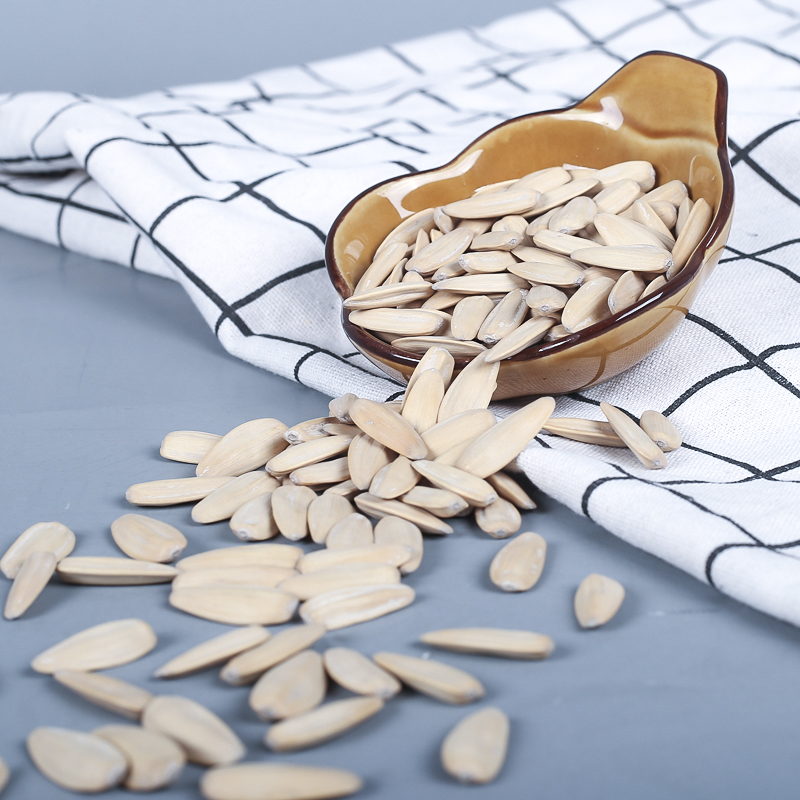
Sunflower seeds contain approximately 40-50% oil, comprised primarily of triglycerides. The fatty acid composition is the cornerstone of sunflower oil’s quality. High-oleic sunflower oil boasts a minimum of 70% oleic acid (C18:1), significantly enhancing its oxidative stability compared to traditional linoleic sunflower oil (typically 60-70% linoleic acid (C18:2)). Other fatty acids present include palmitic acid (C16:0), stearic acid (C18:0), and linolenic acid (C18:3). Seed quality, influenced by genetics, climate, and agricultural practices, directly affects oil yield and composition.
Manufacturing begins with seed preparation – cleaning, de-hulling, and flaking to increase surface area for efficient oil extraction. The primary extraction method is mechanical pressing (expelling), which yields a crude oil requiring further refining. Alternatively, solvent extraction using hexane is employed for higher oil recovery. Crude oil refining involves several stages: degumming (removing phospholipids), neutralization (removing free fatty acids using alkali), bleaching (removing pigments using activated clay or carbon), and deodorization (removing volatile compounds causing undesirable odors and flavors via steam distillation under vacuum). Key parameters during deodorization include temperature (220-270°C), vacuum level (2-6 mmHg), and steam flow rate – critical for minimizing trans-fat formation and preserving the oil’s natural vitamin E content. The final filtration step removes any remaining solid particles, ensuring clarity and stability. Packaging under nitrogen atmosphere is crucial to prevent oxidation and maintain shelf life.
Performance & Engineering
Sunflower oil's performance is dictated by its physicochemical properties. Its high smoke point (approximately 230°C/446°F) makes it suitable for high-heat cooking applications, such as frying and sautéing. The iodine value, a measure of unsaturation, is relatively low in high-oleic varieties (90-110), indicating greater resistance to rancidity. Acid value, measuring free fatty acid content, must be strictly controlled (typically <0.3 mg KOH/g oil) to ensure quality and prevent off-flavors. Viscosity, influenced by temperature, affects flowability and handling characteristics.
Environmental resistance concerns primarily oxidation, accelerated by exposure to oxygen, light, and heat. Antioxidants, such as tocopherols (vitamin E) naturally present in sunflower oil, and synthetic antioxidants like BHA and BHT, are added to enhance stability. Storage stability is crucial; oil should be stored in airtight, opaque containers in a cool, dry environment. Regulatory compliance mandates adherence to food safety standards, including limits on peroxide value (a measure of primary oxidation products) and p-anisidine value (indicating secondary oxidation products). Engineering considerations involve designing processing equipment to minimize shear stress and heat generation, further preventing degradation. The oil's dielectric properties are relevant in specific industrial applications, although less common.
Technical Specifications
| Parameter | Unit | High-Oleic Sunflower Oil (Typical) | Linoleic Sunflower Oil (Typical) |
|---|---|---|---|
| Oleic Acid (C18:1) Content | % | ≥ 70 | 10-30 |
| Linoleic Acid (C18:2) Content | % | ≤ 20 | 50-70 |
| Iodine Value | WIEN | 90-110 | 118-130 |
| Acid Value | mg KOH/g | < 0.3 | < 0.4 |
| Peroxide Value | meq O2/kg | < 1.0 | < 2.0 |
| Smoke Point | °C | 230 | 225 |
Failure Mode & Maintenance
Sunflower oil degradation manifests in several failure modes. Oxidation, the most common, leads to rancidity (off-flavors and odors) and a decrease in nutritional value. This is driven by the autoxidation of unsaturated fatty acids, forming hydroperoxides which decompose into volatile compounds. Hydrolysis, caused by the presence of water, releases free fatty acids, increasing acidity and affecting flavor. Polymerization, occurring at high temperatures during frying, leads to increased viscosity and formation of undesirable compounds. Color degradation can occur due to prolonged exposure to light or heat. Failure can also result from contamination with metals (iron, copper) which catalyze oxidation.
Maintenance focuses on preventative measures. Proper storage (cool, dark, airtight containers) is paramount. Regular monitoring of key parameters – acid value, peroxide value, and color – is essential. Implementing a first-in, first-out (FIFO) inventory management system minimizes storage time. Adding antioxidants and nitrogen blanketing during packaging reduce oxidation. For industrial applications, ensuring compatibility of materials used in processing equipment (stainless steel is preferred) prevents metal contamination. For large-scale storage tanks, regular cleaning and inspection are crucial to remove sediment and prevent microbial growth.
Industry FAQ
Q: What is the primary difference between high-oleic and linoleic sunflower oil concerning shelf life?
A: High-oleic sunflower oil exhibits significantly superior shelf life due to its higher content of monounsaturated fatty acids (oleic acid). Monounsaturated fats are less susceptible to oxidation than polyunsaturated fats (linoleic acid). This translates to slower rancidity development and a longer period of usability, particularly under similar storage conditions.
Q: What are the implications of exceeding the specified peroxide value limit during quality control?
A: Exceeding the peroxide value limit indicates that the oil has undergone significant oxidation. This means the oil is deteriorating and its quality is compromised. Consumption of highly oxidized oil can pose health risks and negatively impact flavor. The batch would likely be rejected or downgraded for non-food applications.
Q: How does the refining process impact the vitamin E content of sunflower oil?
A: The refining process, particularly deodorization, can reduce the vitamin E (tocopherol) content of sunflower oil due to its volatility at high temperatures. However, careful control of deodorization parameters – temperature, vacuum, steam flow – can minimize these losses. Some refiners may choose to add vitamin E back into the oil after refining.
Q: What materials are incompatible with long-term sunflower oil storage, and why?
A: Carbon steel and copper are incompatible with long-term sunflower oil storage. Carbon steel can catalyze oxidation, leading to rancidity. Copper ions act as potent pro-oxidants, accelerating oil degradation. Stainless steel is the preferred material for storage tanks and pipelines due to its inertness.
Q: How does the choice of extraction method (expelling vs. solvent) affect the final oil quality?
A: Solvent extraction generally yields a higher oil recovery rate than expelling. However, the residual hexane solvent must be completely removed during refining. Expelled oil often retains more of its natural flavor and aroma compounds, but may have a slightly higher content of undesirable components like gums and waxes. The impact on final quality is heavily dependent on the efficiency of the refining process.
Conclusion
High quality sunflower oil, particularly the high-oleic variant, presents a compelling combination of desirable properties for a wide range of applications. Its high smoke point, neutral flavor profile, and improved oxidative stability make it a versatile choice for the food industry. However, maintaining these characteristics requires stringent control throughout the entire supply chain – from seed selection and agricultural practices to refining processes and storage conditions.
Ongoing research focuses on optimizing sunflower breeding programs to further enhance oleic acid content and improve antioxidant capacity. Innovations in refining technologies, such as enzymatic degumming and supercritical fluid extraction, are also being explored to minimize degradation and maximize oil quality. Adherence to international standards and rigorous quality control measures remain crucial for ensuring the consistent delivery of a safe and high-performance product.
