Introduction
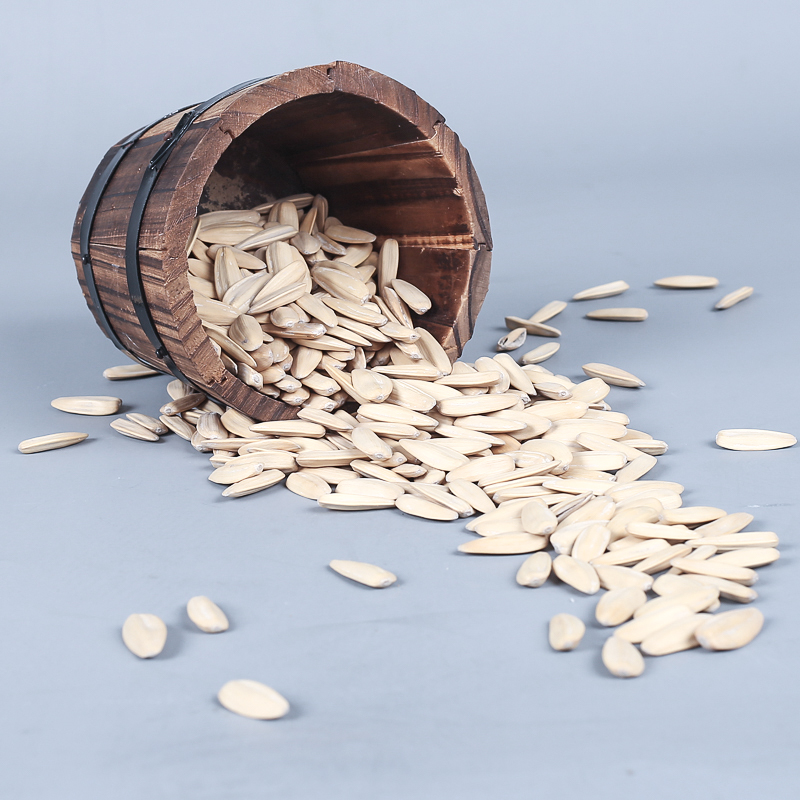
Sunflower kernels, the edible seeds of the Helianthus annuus plant, represent a significant commodity within the global food and oilseed market. Their technical position within the agricultural supply chain is as a processed product derived from sunflower seed harvesting, dehulling, and subsequent grading. High quality sunflower kernels are defined by characteristics including kernel size, oil content, protein content, moisture content, and absence of defects such as chipped kernels or foreign material. Core performance metrics center around nutritional value—high levels of linoleic acid, Vitamin E, magnesium, and selenium—making them a valuable ingredient in human food applications (snacking, baking, confectionary) and animal feed. Industry pain points revolve around maintaining consistent quality across harvests, mitigating aflatoxin contamination, optimizing oil extraction yields, and ensuring traceability throughout the supply chain. The economic viability of sunflower kernel production is heavily influenced by global oilseed prices and logistical costs, requiring stringent process control and quality assurance measures.
Material Science & Manufacturing
The raw material, sunflower seeds, are comprised of a hull (approximately 20-50% of the seed weight) and the kernel itself. Kernels are primarily composed of lipids (40-50% oil, predominantly linoleic acid), proteins (20-25%), carbohydrates (10-15%), and moisture (typically 5-10%). The oil's quality is dictated by the fatty acid profile, with a higher linoleic acid content generally considered desirable for nutritional purposes. Manufacturing begins with harvesting, followed by drying to reduce moisture content to a stable level (typically below 9%). This is critical to prevent mold growth and aflatoxin production. Dehulling is achieved mechanically, using impact or friction-based methods. Kernel grading and sorting involve physical separation based on size, shape, and density, often employing screens and gravity tables. Key parameter control during manufacturing involves maintaining optimal drying temperatures (to prevent protein denaturation), precise dehulling force (to minimize kernel damage), and effective cleaning protocols (to remove foreign material). The chemical composition of the seed, particularly the presence of phytates and tannins, impacts oil extraction efficiency and nutritional bioavailability. Post-harvest storage conditions – temperature, humidity, and aeration – are paramount to preventing oxidative rancidity and maintaining kernel quality.
Performance & Engineering
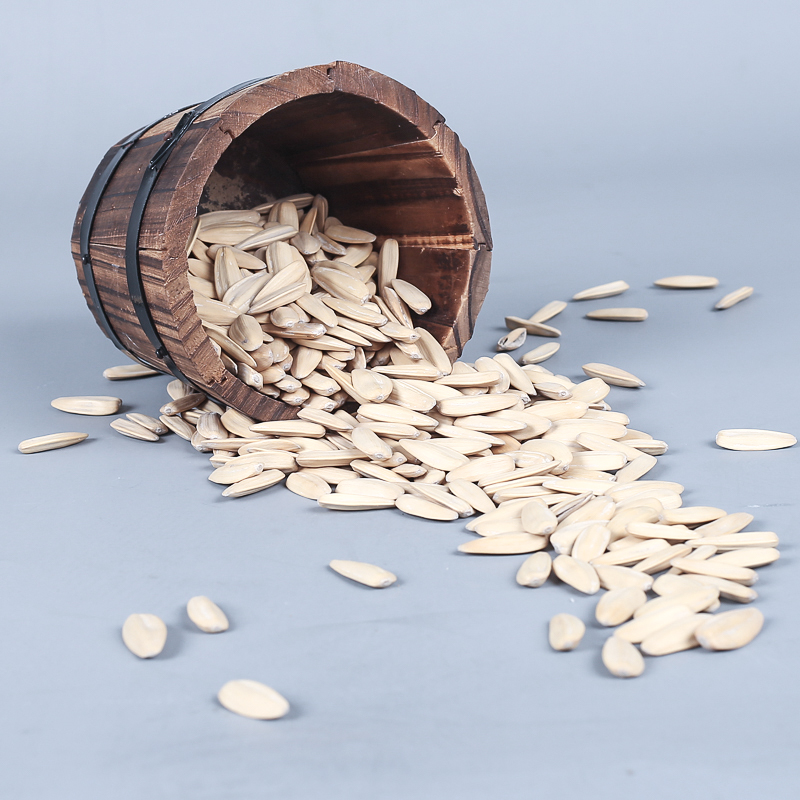
The performance of sunflower kernels, particularly in food applications, is largely dictated by their physical integrity and lipid stability. Force analysis during handling and processing (e.g., roasting, grinding) focuses on minimizing breakage and dust formation. Shear strength and compressive strength are key parameters. Environmental resistance concerns center on preventing lipid oxidation and rancidity, driven by exposure to oxygen, light, and elevated temperatures. Packaging plays a crucial role in mitigating these effects. Compliance requirements vary by region but typically include limits on aflatoxin levels (regulated by organizations like the FDA and EFSA), pesticide residues, and heavy metal contamination. Functional implementation considers the kernel’s role as a source of oil, protein, and micronutrients. Oil extraction efficiency (typically using mechanical pressing or solvent extraction) is optimized by controlling kernel moisture content, temperature, and pressure. Protein functionality is evaluated based on its amino acid profile and digestibility. The engineering of storage facilities is critical; designs must provide temperature control, humidity regulation, and protection from pests to maintain kernel quality over extended periods. Moisture migration within bulk storage can lead to localized heating and mold growth, necessitating effective aeration systems.
Technical Specifications
| Parameter | Unit | High Quality Specification | Testing Method |
|---|---|---|---|
| Oil Content (Dry Basis) | % | 48-58 | Soxhlet Extraction (AOCS Official Method) |
| Protein Content (Dry Basis) | % | 18-28 | Kjeldahl Method (AOCS Official Method) |
| Moisture Content | % | ≤ 9.0 | Oven Drying Method (AOCS Official Method) |
| Kernel Size (Screen Size) | mm | 16/18 (Approximate) | Sieve Analysis |
| Broken Kernels & Foreign Matter | % | ≤ 2.0 | Visual Inspection & Sorting |
| Aflatoxin B1 | ppb | ≤ 20 | HPLC-Fluorescence Detection (FDA Method) |
Failure Mode & Maintenance
Sunflower kernels are susceptible to several failure modes. Lipid oxidation, leading to rancidity, is a primary concern, especially during storage. This manifests as off-flavors and reduced nutritional value. The failure mechanism involves free radical chain reactions initiated by exposure to oxygen, light, and heat. Kernel cracking and breakage during handling and processing reduce product value and generate dust. Fatigue cracking can occur due to repeated stress during sorting or conveying. Aflatoxin contamination, caused by Aspergillus molds, poses a serious health risk and is a critical failure mode. Degradation of protein quality, due to enzymatic activity or Maillard reactions during storage, reduces nutritional value. Maintenance solutions involve proper storage conditions (low temperature, low humidity, oxygen exclusion), antioxidant packaging, gentle handling procedures, and strict adherence to hygiene protocols. Regular monitoring of aflatoxin levels is essential, and contaminated batches should be rejected. Implementing a First-In, First-Out (FIFO) inventory management system minimizes storage time and reduces the risk of degradation. Periodic inspection of processing equipment is crucial to identify and address potential sources of kernel damage.
Industry FAQ
Q: What are the key differences between confectionery and oil-type sunflower kernels, and how do these differences impact their intended applications?
A: Confectionery sunflower kernels are selected for their large kernel size, consistent shape, and thin hull, making them ideal for direct consumption as snacks. They typically have a higher oil content (50-60%) and a lighter color. Oil-type kernels, on the other hand, are bred for high oil yield (40-50%) and are primarily used for oil extraction. Their kernel size is generally smaller, and hull thickness can vary. The fatty acid profile also differs; oil-type kernels often have a higher linoleic acid content. This directly impacts the resulting oil's quality and suitability for various applications.
Q: How do different storage conditions affect the shelf life and quality of sunflower kernels, specifically regarding lipid oxidation?
A: Lipid oxidation is significantly accelerated by exposure to oxygen, light, heat, and moisture. Optimal storage conditions involve maintaining a low temperature (below 15°C / 59°F), low humidity (below 65% RH), and packaging in airtight, opaque containers. Nitrogen flushing can further reduce oxygen levels. Prolonged exposure to elevated temperatures (>25°C / 77°F) will dramatically shorten shelf life. High humidity promotes mold growth and aflatoxin production.
Q: What analytical techniques are used to assess the quality and purity of sunflower kernels, beyond basic moisture and oil content analysis?
A: In addition to moisture and oil content, techniques include gas chromatography (GC) for fatty acid profile analysis, high-performance liquid chromatography (HPLC) for aflatoxin detection, inductively coupled plasma mass spectrometry (ICP-MS) for heavy metal analysis, and near-infrared spectroscopy (NIRS) for rapid assessment of various quality parameters. Microscopic examination can also be used to identify foreign matter and assess kernel damage.
Q: What are the regulatory limits for aflatoxin in sunflower kernels in major international markets (e.g., US, EU, Japan)?
A: Regulatory limits vary. In the US, the FDA limit for total aflatoxins in food is 20 ppb. The European Union sets a maximum level of 2.5 µg/kg (equivalent to 2.5 ppb) for total aflatoxins in sunflower kernels. Japan has stringent limits, typically around 10 ppb. These limits are constantly subject to review and revision.
Q: What are the key considerations when selecting packaging materials for sunflower kernels to maximize shelf life and preserve quality?
A: Packaging materials should provide a barrier against oxygen, moisture, and light. Multi-layer films incorporating aluminum foil or metallized polymers are commonly used. The material should also be resistant to oil permeation. Vacuum packaging or modified atmosphere packaging (MAP) with nitrogen flushing can further extend shelf life. Packaging should also be food-grade and comply with relevant regulations regarding migration of substances into food.
Conclusion
High quality sunflower kernels represent a nutritionally valuable and commercially significant agricultural product. Their performance and longevity are intricately linked to a complex interplay of material science, manufacturing processes, and environmental factors. Maintaining consistent quality necessitates meticulous control over every stage of the supply chain, from seed selection and harvesting to processing, storage, and packaging.
Effective mitigation of failure modes—particularly lipid oxidation and aflatoxin contamination—requires adherence to established best practices and continuous monitoring. Future trends will likely focus on optimizing oil extraction efficiency, developing improved storage technologies, and implementing advanced traceability systems to ensure product safety and consumer confidence.
