Introduction
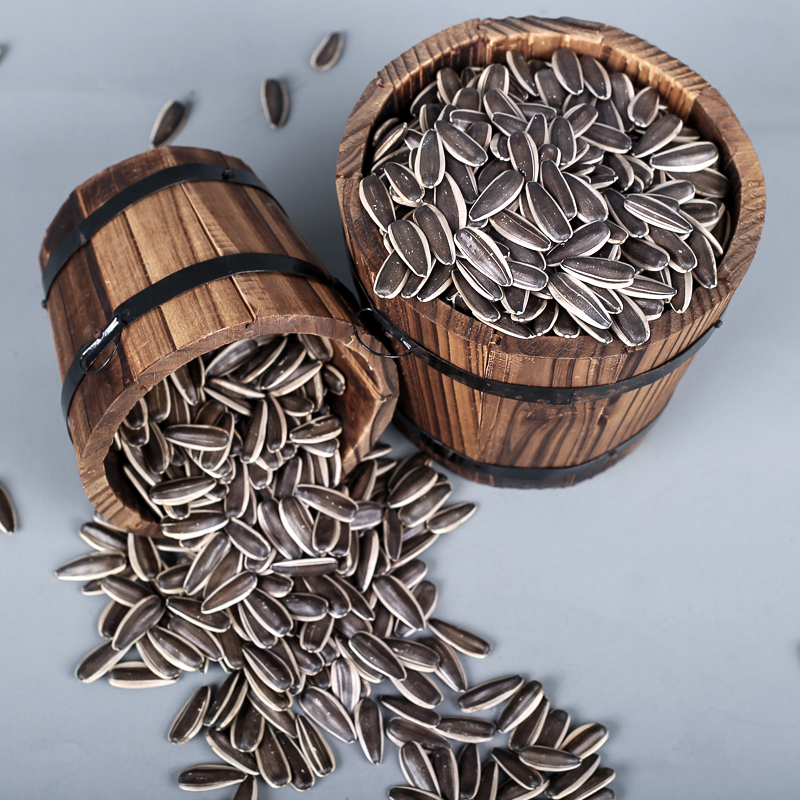
High quality sugar kiss melon seeds (Cucumis melo var. saccharinus) represent a specialized segment within the melon breeding industry, focused on delivering fruit characterized by exceptionally high sugar content and a distinct, pleasant aroma. Technically positioned as a horticultural product, these seeds fall within the agricultural supply chain, bridging the gap between seed producers, agricultural growers, and ultimately, the consumer market. Their core performance metrics revolve around germination rate, seedling vigor, fruit yield, sugar content (measured in Brix), and resistance to common melon diseases. A primary challenge for growers lies in achieving consistent high sugar levels, which is heavily influenced by environmental factors and genetic purity. Maintaining seed viability and protecting against seed-borne pathogens are crucial pre-planting considerations.
Material Science & Manufacturing
The inherent quality of sugar kiss melon seeds begins with the material science of the seed itself. The seed coat, composed primarily of cellulose, lignin, and proteins, provides a protective barrier against desiccation, mechanical damage, and pathogen invasion. Its permeability characteristics influence imbibition rates during germination. The endosperm contains stored carbohydrates (starch), proteins, and lipids, serving as the primary energy source for seedling development. Manufacturing, in this context, refers to the entire seed production process. Hybrid seed production involves controlled pollination between carefully selected parent lines possessing desirable traits – high sugar content, disease resistance, and uniform fruit size. Critical parameters include maintaining genetic purity through isolation distances and rogueing (removing off-type plants). Seed harvesting is timed to coincide with physiological maturity, assessed by rind color and seed appearance. Post-harvest drying is paramount; seeds are typically dried to a moisture content of 7-8% to ensure long-term viability. Storage conditions – low temperature (4-10°C) and low humidity – are rigorously controlled to prevent seed deterioration. Seed treatment with fungicides and insecticides may be employed to protect against seed-borne diseases and insect pests.
Performance & Engineering
Performance evaluation of sugar kiss melon seeds focuses heavily on field trials and controlled environment studies. Germination percentage is assessed under standardized conditions (temperature, moisture, light). Seedling vigor, quantified by root and shoot length, provides an early indication of potential plant performance. Fruit yield, measured as kilograms per hectare, is a key economic indicator. However, the defining characteristic is sugar content, typically measured in degrees Brix using a refractometer. Optimal Brix levels for sugar kiss melons generally range between 12-16%. Environmental factors profoundly influence sugar accumulation. Sufficient sunlight, appropriate temperature regimes, and regulated water stress during the late stages of fruit development are critical. Engineering considerations extend to seed coating technologies, which can enhance germination, protect against pests and diseases, and deliver micronutrients directly to the seedling. Compliance requirements involve adherence to national and international phytosanitary regulations to prevent the spread of plant pathogens. Furthermore, seed labeling must accurately reflect germination rates, seed purity, and any applied seed treatments.
Technical Specifications
| Germination Rate (%) | Seed Purity (%) | Moisture Content (%) | Brix Potential (Average °Bx) |
|---|---|---|---|
| ≥ 85 | ≥ 98 | ≤ 8 | 12-16 |
| 80-85 | 95-98 | 8-9 | 11-14 |
| 75-80 | 90-95 | 9-10 | 10-13 |
| <75 | <90 | >10 | <10 |
| 1000-Seed Weight (g) | Disease Resistance (Powdery Mildew) | Hybrid Type | Days to Maturity (Approx.) |
| 25-35 | Intermediate | F1 Hybrid | 70-80 |
Failure Mode & Maintenance
Failure modes in sugar kiss melon seed performance are multifaceted. Low germination rates can arise from several causes: seed dormancy (requiring stratification or scarification), seed aging (loss of viability during storage), mechanical damage during handling, or exposure to adverse environmental conditions (temperature fluctuations, high humidity). Seed-borne diseases, such as Fusarium wilt or powdery mildew, can lead to seedling damping-off or reduced plant vigor. Genetic drift over successive generations can reduce hybrid vigor and lower sugar content. Fruit cracking, a common issue in melons, can be exacerbated by inconsistent watering or nutrient imbalances. Maintenance strategies begin with proper seed storage: cool, dry conditions are essential. Seed testing (germination assays, purity analysis) should be conducted before planting to assess viability. Implementing crop rotation and using disease-resistant varieties can minimize disease incidence. Providing adequate irrigation and fertilization, particularly potassium, promotes optimal sugar accumulation. Regular monitoring for pests and diseases is crucial, and timely application of appropriate control measures can prevent significant yield losses. Proper handling during harvesting and post-harvest storage is also vital to prevent mechanical damage and maintain fruit quality.
Industry FAQ
Q: What is the significance of the F1 hybrid designation on the seed packet?
A: The F1 hybrid designation indicates that the seeds were produced through a controlled cross between two inbred parent lines. This results in hybrid vigor – enhanced growth, yield, and disease resistance – compared to open-pollinated varieties. However, saving seeds from F1 hybrid fruit will not produce consistent results in subsequent generations, as the desirable traits will segregate.
Q: How does seed moisture content impact long-term storage?
A: Seed moisture content is a critical factor. High moisture content promotes fungal growth, enzymatic activity, and ultimately, loss of viability. Properly dried seeds (7-8% moisture content) can be stored for several years without significant deterioration. Vacuum sealing and storage in a cool, dry environment further enhance longevity.
Q: What are the key indicators of seed quality beyond germination rate?
A: While germination rate is important, other indicators include seed purity (the percentage of true seeds vs. contaminants), seed vigor (the seedling's ability to establish quickly), and the presence or absence of seed-borne pathogens. Seed size and weight can also be indicative of seed quality.
Q: What is the role of stratification in sugar kiss melon seed germination?
A: Sugar kiss melon seeds generally do not require stratification. However, some older seed lots or seeds from specific origins may benefit from a brief period of cool, moist storage to break dormancy. This mimics natural winter conditions and can improve germination rates.
Q: How can growers maximize sugar content in the resulting fruit?
A: Maximizing sugar content requires a combination of factors: selecting high-Brix seed varieties, providing adequate sunlight, regulating water stress during the late stages of fruit development (reducing irrigation), ensuring sufficient potassium fertilization, and harvesting at the optimal maturity stage (assessed by rind color and background slip).
Conclusion
High quality sugar kiss melon seed production and performance are intrinsically linked to a complex interplay of genetics, physiology, and environmental factors. Maintaining genetic purity, optimizing seed handling and storage, and understanding the specific needs of the crop are paramount for successful cultivation. Accurate assessment of seed quality parameters – germination rate, purity, and Brix potential – are essential for growers seeking to maximize yields and produce fruit with the desired sweetness and flavor profile.
Future advancements in sugar kiss melon breeding will likely focus on developing varieties with enhanced disease resistance, improved drought tolerance, and even higher sugar content. Precision agriculture techniques, such as sensor-based irrigation and nutrient management, will play an increasingly important role in optimizing growing conditions and achieving consistent high-quality fruit production. Continued research into seed priming and coating technologies will also contribute to improved germination and seedling establishment.
