Introduction
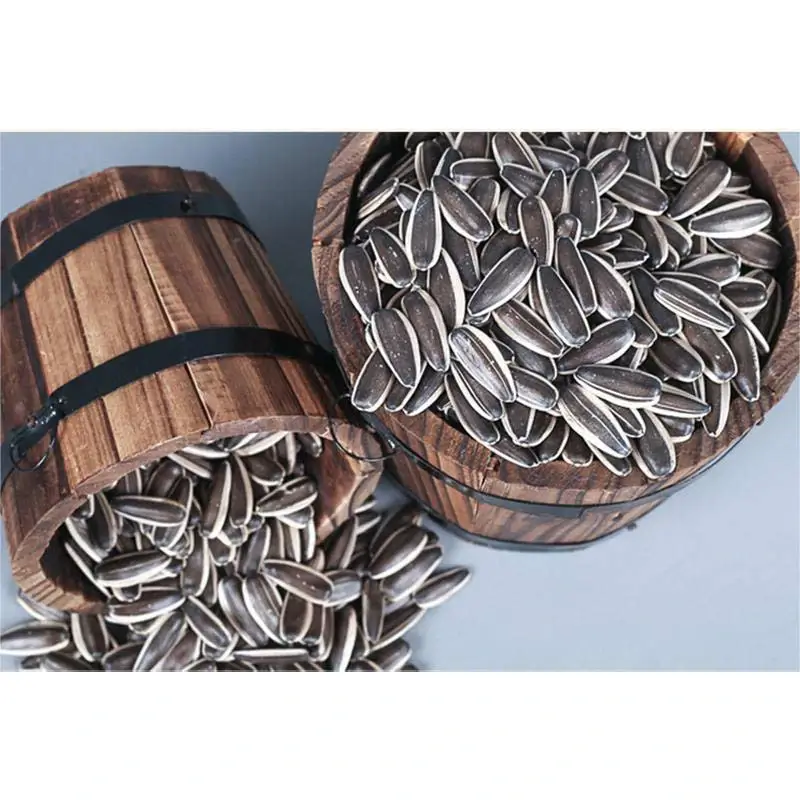
High quality sugar kiss melon seeds represent a critical input in horticultural production, specifically targeting the rapidly growing demand for premium melon varieties. These seeds, Cucumis melo var. sugar kiss, are prized for their exceptional sweetness, crisp texture, and consistent fruit quality. The industry chain positions these seeds as the foundational element influencing yield, disease resistance, and ultimately, the profitability of commercial melon growers. Core performance characteristics are defined by germination rate, genetic purity (ensuring true-to-type fruit), and resistance to prevalent melon diseases like powdery mildew and fusarium wilt. Maintaining seed viability and minimizing genetic drift are paramount concerns for producers and contribute significantly to the price point of high-quality seed stock. The increasing demand for seedless varieties and melons adapted to diverse climate conditions further drives innovation in seed breeding and quality control protocols.
Material Science & Manufacturing
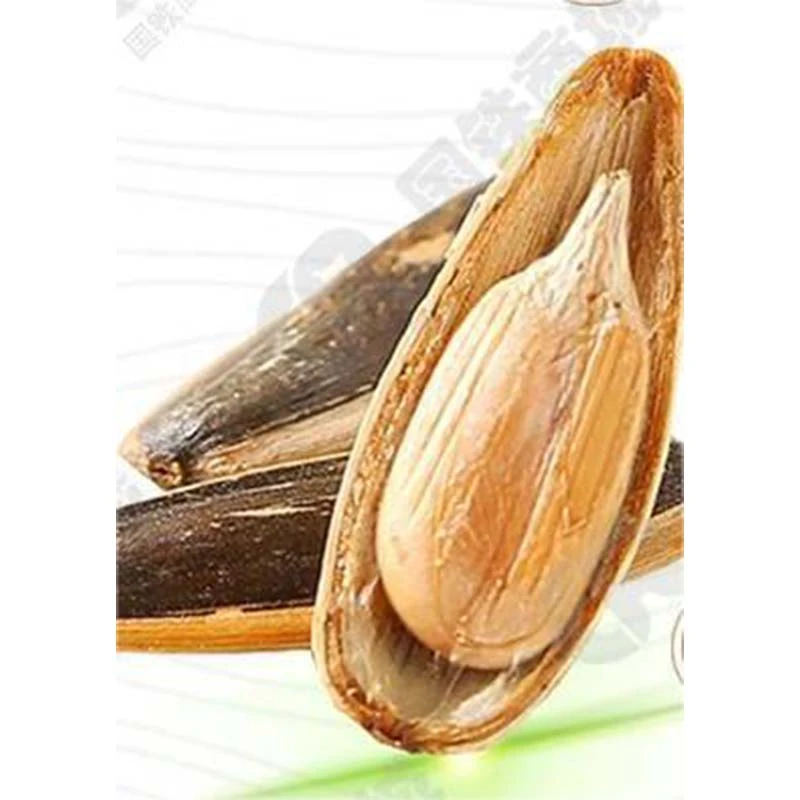
The production of high-quality sugar kiss melon seeds begins with meticulous selection of parent plants exhibiting superior agronomic traits. Seed development is heavily influenced by the maternal plant’s physiological state during fruit maturation. The seed embryo itself comprises the cotyledons (nutrient storage tissues), the radicle (embryonic root), and the plumule (embryonic shoot). The seed coat, primarily composed of cellulose and lignin, provides physical protection and regulates water uptake. Manufacturing involves controlled pollination – typically hand-pollination to ensure genetic purity – followed by harvesting mature fruits. Seeds are extracted, washed to remove pulp residue, and dried to a moisture content of approximately 7-8% to maximize longevity. Critical parameters during drying include temperature (maintained below 40°C to prevent protein denaturation) and airflow. Post-drying, seeds undergo rigorous quality control assessments, including germination testing (typically assessed according to ISTA rules), purity analysis (to identify and quantify off-types or weed seeds), and disease screening (utilizing agar plate tests for common fungal pathogens). Coating technologies, employing polymers and micronutrients, are increasingly used to improve seed handling, flowability, and early seedling vigor. Seed storage conditions – low temperature (4-10°C) and low relative humidity (50-60%) – are vital for preserving viability over extended periods.
Performance & Engineering
The performance of sugar kiss melon seeds is fundamentally tied to genetic engineering and selection for specific traits. Force analysis, in the context of seed germination, involves understanding the mechanical resistance the radicle must overcome to emerge from the seed coat. Seed coat thickness and composition significantly impact this force. Environmental resistance is crucial. The seeds must tolerate temperature fluctuations during storage and germination. Seed vigor, quantified by seedling growth rate and root development, is a key indicator of stress tolerance. Compliance requirements are dictated by national and international seed certification agencies. These regulations mandate adherence to strict standards for germination rate, purity, and freedom from designated pathogens. Functional implementation of improved traits, such as disease resistance genes (e.g., CMV-resistance), is achieved through marker-assisted selection (MAS) and increasingly, gene editing technologies. The success of these techniques depends on a thorough understanding of the melon genome and the expression of relevant genes. Post-harvest storage and shipping conditions must be engineered to maintain seed viability, particularly concerning temperature and humidity control throughout the supply chain.
Technical Specifications
| Germination Rate (%) | Purity (%) | Moisture Content (%) | Disease Resistance (Powdery Mildew) |
|---|---|---|---|
| ≥90 | ≥99 | ≤8 | High (Presence of cmr gene) |
| 1000-Seed Weight (g) | Genetic Purity (%) | Seed Coat Thickness (µm) | Fusarium Wilt Resistance (Race 1 & 2) |
| 250-280 | ≥99.5 | 150-200 | Moderate (Gene-mediated resistance) |
| Seed Size Uniformity (%) | Seed Dormancy Period (Months) | Viability after 12 Months (%) | Soluble Solids Content (Brix) – Fruit Expected |
| ≥85 | ≤6 | ≥80 | 12-14 |
| Seed Coating Type | Seed Treatment (Fungicide) | Seed Origin | Average Fruit Weight (kg) – Expected |
| Polymer-based with micronutrients | Thiram & Carboxin | Hybrid – Selected breeding lines | 1.5 - 2.0 |
Failure Mode & Maintenance
Failure modes for sugar kiss melon seeds can be categorized as pre-germination, germination, and post-germination issues. Pre-germination failures include mechanical damage during handling, insufficient dormancy breaking, and seed deterioration due to improper storage (high temperature, humidity). Germination failures encompass inadequate moisture uptake, fungal infection (leading to seed rot), and embryo dormancy. Post-germination failures relate to seedling vigor; weak seedlings are susceptible to damping-off disease and environmental stress. Fatigue cracking in the seed coat can occur during processing and handling, compromising seed integrity. Delamination of seed coatings, if applied, can reduce fungicide effectiveness. Degradation of seed viability over time is a natural process accelerated by unfavorable storage conditions. Oxidation of lipids within the seed embryo contributes to reduced germination rates. Maintenance includes strict adherence to recommended storage guidelines (cool, dry environment), regular germination testing to monitor viability, and proper seed handling procedures to minimize mechanical damage. Seed treatments with fungicides and insecticides can mitigate pre- and post-germination diseases and pest attacks. Implementing a seed traceability system allows for rapid identification and resolution of quality issues.
Industry FAQ
Q: What is the significance of the ‘ISTA’ standards mentioned in quality control?
A: ISTA (International Seed Testing Association) standards are the globally recognized benchmarks for assessing seed quality. Adherence to ISTA rules ensures the accuracy and reliability of germination testing, purity analysis, and moisture content determination. These standards provide a consistent framework for evaluating seed lots, facilitating international trade and ensuring that growers receive seed meeting specified quality criteria. ISTA accreditation of seed testing laboratories is a strong indicator of data integrity and competence.
Q: How do different seed coatings impact seedling performance?
A: Seed coatings serve multiple purposes. Polymer coatings improve seed flowability and handling during planting. Coatings incorporating micronutrients (e.g., zinc, boron) provide early seedling nutrition, enhancing vigor. Fungicide and insecticide coatings protect seeds and seedlings from soilborne pathogens and pests. However, coating efficacy depends on the coating composition, application rate, and environmental conditions. Excessive coating can impede water uptake. The choice of coating should be tailored to the specific threats prevalent in the growing region.
Q: What is marker-assisted selection (MAS) and how does it apply to melon seed breeding?
A: Marker-assisted selection (MAS) is a DNA-based technique used to identify plants possessing desirable genes without relying solely on observable traits (phenotypes). In melon breeding, MAS allows breeders to accelerate the selection of plants with resistance to diseases (e.g., powdery mildew), improved fruit quality, or enhanced stress tolerance. By identifying specific DNA markers linked to these traits, breeders can select superior seedlings at an early stage, significantly reducing the breeding cycle time and improving breeding efficiency.
Q: What is the optimal storage life for high quality sugar kiss melon seeds?
A: Under ideal storage conditions (4-10°C and 50-60% relative humidity), high quality sugar kiss melon seeds typically retain >80% viability for 2-3 years. However, viability gradually declines over time. It is recommended to conduct germination tests annually to monitor seed quality. Seeds stored under suboptimal conditions (high temperature, humidity) may exhibit significantly reduced germination rates within the first year. Regular monitoring and proper storage are critical for maintaining seed quality.
Q: How does genetic purity affect crop uniformity and market value?
A: Genetic purity refers to the percentage of seeds that produce plants true to the intended variety. High genetic purity is essential for ensuring crop uniformity in terms of fruit size, shape, color, and taste. Uniformity is a key factor influencing market value, as it simplifies grading, packaging, and marketing efforts. Off-types (seeds that produce plants deviating from the desired characteristics) can reduce yield, lower fruit quality, and decrease overall profitability for growers.
Conclusion
High quality sugar kiss melon seeds are more than a biological component; they represent a complex intersection of material science, genetic engineering, and agronomic best practices. Maintaining consistent germination rates, genetic purity, and disease resistance are the foundational pillars of successful melon production. The adoption of advanced technologies like marker-assisted selection and optimized seed coating formulations will continue to drive improvements in seed performance and contribute to the sustainability of the melon industry.
Future trends point towards developing seeds with enhanced adaptation to climate change, specifically focusing on drought tolerance and heat resistance. Integrating genomic information with phenomic data will enable breeders to accelerate the selection of superior genotypes. Continued emphasis on seed health and traceability will be crucial for minimizing the risk of disease outbreaks and ensuring food safety. Investing in robust seed quality control systems is paramount for meeting the evolving demands of the global melon market.
