Introduction
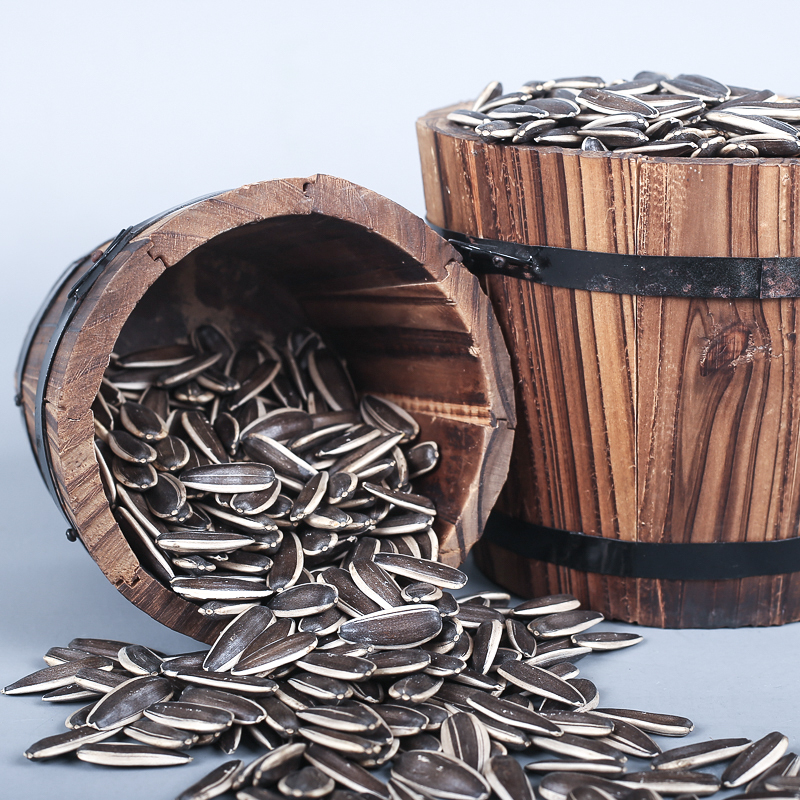
High quality sugar cube melon seeds ( Cucumis melo var. reticulatus) represent a significant segment within the specialty melon market, prized for their compact fruit size, intense sweetness, and crisp texture. These seeds are distinct from standard cantaloupe or honeydew melon seeds due to the breeding selection focused on achieving the 'sugar cube' phenotype – smaller, more densely textured flesh with a higher Brix level. This guide provides a detailed technical overview of sugar cube melon seed characteristics, production processes, performance parameters, potential failure modes, and relevant industry standards. The industry faces challenges related to consistent seed germination rates, maintaining varietal purity, and ensuring optimal growing conditions to achieve the desired fruit quality. Understanding these aspects is crucial for both seed producers and agricultural businesses specializing in high-value melon cultivation. Success hinges on meticulous control of breeding, harvesting, processing, and storage protocols.
Material Science & Manufacturing
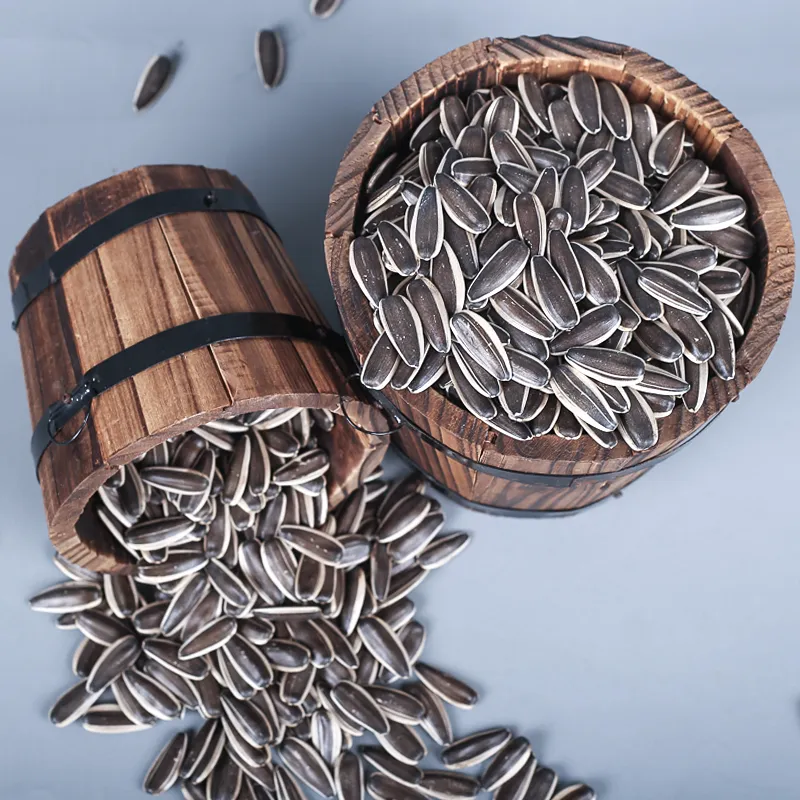
The foundational material science centers on the seed embryo and its surrounding structures – the seed coat and endosperm. The seed coat, primarily composed of cellulose and lignin, provides physical protection against mechanical damage and environmental stress. Its thickness and composition directly influence water permeability, impacting germination rates. The endosperm, rich in starches, proteins, and lipids, serves as the primary nutrient source for embryonic development. High-quality seeds exhibit a higher lipid content, particularly linoleic and oleic acids, contributing to enhanced vigor. Manufacturing begins with controlled pollination within isolated breeding plots to ensure genetic purity. Harvesting occurs at physiological maturity, assessed by rind color and ease of separation from the vine. Post-harvest processing includes mechanical extraction, cleaning, drying (to approximately 7-8% moisture content), grading by size and weight, and seed treatment with fungicides and/or insecticides to prevent fungal infections and insect damage during storage. Parameter control during drying is critical; temperatures exceeding 40°C can significantly reduce seed viability. Seed storage requires low temperature (4-10°C) and low humidity (40-60%) to maintain dormancy and prevent lipid peroxidation. Seed coatings, often polymers like polyethylene glycol, are applied to improve seed flowability, protect against abrasion, and facilitate uniform seed distribution during planting. The chemical compatibility of these coatings with seed physiology is paramount to avoid hindering germination.
Performance & Engineering
Performance is primarily evaluated through germination rate, seedling vigor, and resulting fruit quality. Germination rate, typically measured under controlled laboratory conditions (25-30°C, 90-95% relative humidity), represents the percentage of seeds that successfully develop into seedlings. Seedling vigor is assessed by evaluating root and shoot length, as well as cotyledon size. Fruit quality parameters include Brix level (total soluble solids, a measure of sweetness), fruit weight, rind thickness, and flesh firmness. Environmental resistance focuses on the seed’s and seedling’s ability to withstand temperature fluctuations, drought stress, and saline soil conditions. Engineering aspects include the design of automated seed processing and packaging equipment to minimize seed damage and maintain consistent quality. Compliance requirements involve adherence to national and international seed certification standards, ensuring varietal identity, purity, and freedom from pathogens. Force analysis is relevant during seed handling and processing – minimizing impact forces is crucial to prevent seed coat cracking and embryo damage. The seed’s response to applied stress during mechanical harvesting and post-harvest handling must be considered. Soil moisture content impacts seed imbibition and germination success, requiring appropriate irrigation strategies. The effectiveness of seed coatings in protecting against soilborne diseases also falls under performance engineering.
Technical Specifications
| Parameter | Units | Typical Value (High Quality Seeds) | Acceptable Range |
|---|---|---|---|
| Germination Rate | % | 92 | 85-98 |
| Seed Moisture Content | % | 7.5 | 6.5-8.5 |
| Seed Purity | % | 99.5 | 98-100 |
| 1000-Seed Weight | g | 32 | 28-36 |
| Brix Level (Fruit, at maturity) | °Bx | 14.5 | 13-16 |
| Seed Viability (after 12 months storage) | % | 85 | 70-90 |
Failure Mode & Maintenance
Common failure modes include low germination rates due to seed dormancy issues, mechanical damage during processing, improper storage conditions leading to lipid oxidation and embryo degradation, and fungal or bacterial infections. Fatigue cracking of the seed coat can occur during handling, reducing water uptake and hindering germination. Delamination of the seed coat from the embryo is a critical failure mode, rendering the seed inviable. Oxidation of lipids within the endosperm leads to a loss of energy reserves and reduced seedling vigor. Maintenance involves strict quality control throughout the entire process – from breeding to storage. Regular monitoring of seed moisture content and temperature is essential. Preventative fungicide and insecticide treatments should be applied proactively. Seed lots should be tested for germination rate and purity on a routine basis. Proper packaging materials (moisture-proof, air-tight containers) are crucial for maintaining seed viability during long-term storage. Seed lots exhibiting low germination rates or signs of contamination should be discarded. Implementing a robust seed tracking system allows for rapid identification and isolation of problematic seed batches. Furthermore, preventative maintenance of seed processing equipment minimizes mechanical damage.
Industry FAQ
Q: What is the impact of seed coating composition on germination uniformity?
A: The seed coating composition significantly influences germination uniformity. Coatings that are too thick or impermeable can restrict oxygen and water uptake, delaying or preventing germination. Conversely, coatings that degrade too rapidly may not provide sufficient protection during handling and planting. Ideal coatings should be permeable to water and oxygen, provide mechanical protection, and release nutrients or growth promoters in a controlled manner. Compatibility testing between the coating and seed physiology is crucial.
Q: How does storage temperature affect seed viability over time?
A: Storage temperature is a primary determinant of seed viability. Generally, lower temperatures slow down metabolic processes and extend seed longevity. Each 1°C decrease in storage temperature can approximately double the seed’s storage life. Temperatures above 20°C accelerate seed aging and reduce viability. Fluctuations in temperature can also be detrimental, causing condensation within the seed package and promoting fungal growth.
Q: What are the critical indicators of seed quality during the harvesting process?
A: Critical indicators include rind color (a visual indicator of maturity), ease of separation from the vine, and seed color and size. Seeds should be fully developed and have a firm, plump appearance. Immature seeds are often smaller and lighter in weight, exhibiting reduced germination potential. The presence of fungal or insect damage is also a key indicator of poor quality.
Q: How does varietal purity impact the consistency of fruit characteristics?
A: Varietal purity is paramount for ensuring consistent fruit characteristics. Cross-pollination can lead to the presence of off-type seeds, resulting in variations in fruit size, shape, sweetness, and rind pattern. Maintaining genetic purity requires isolation of breeding plots, controlled pollination techniques, and rigorous seed testing to verify varietal identity.
Q: What methods are used to assess seedborne pathogen presence?
A: Seedborne pathogen assessment typically involves laboratory testing using agar plate assays and PCR-based molecular diagnostics. Agar plate assays allow for the isolation and identification of fungal and bacterial pathogens. PCR techniques enable the detection of specific pathogen DNA sequences, providing a more sensitive and accurate assessment of pathogen presence, even at low levels. Regular seed health testing is essential for preventing the spread of plant diseases.
Conclusion
High quality sugar cube melon seed production demands a holistic approach encompassing meticulous breeding, precise manufacturing processes, and rigorous quality control. Maintaining seed viability, ensuring varietal purity, and optimizing germination rates are critical for successful cultivation. The intricate interplay of material science, engineering principles, and adherence to industry standards are paramount.
Future research should focus on developing seed coatings with enhanced protective properties, improving seed storage techniques to extend longevity, and utilizing advanced breeding technologies to enhance genetic resistance to diseases and environmental stresses. Adopting precision agriculture practices, including optimized irrigation and fertilization strategies, will further contribute to maximizing fruit yield and quality.
