Introduction
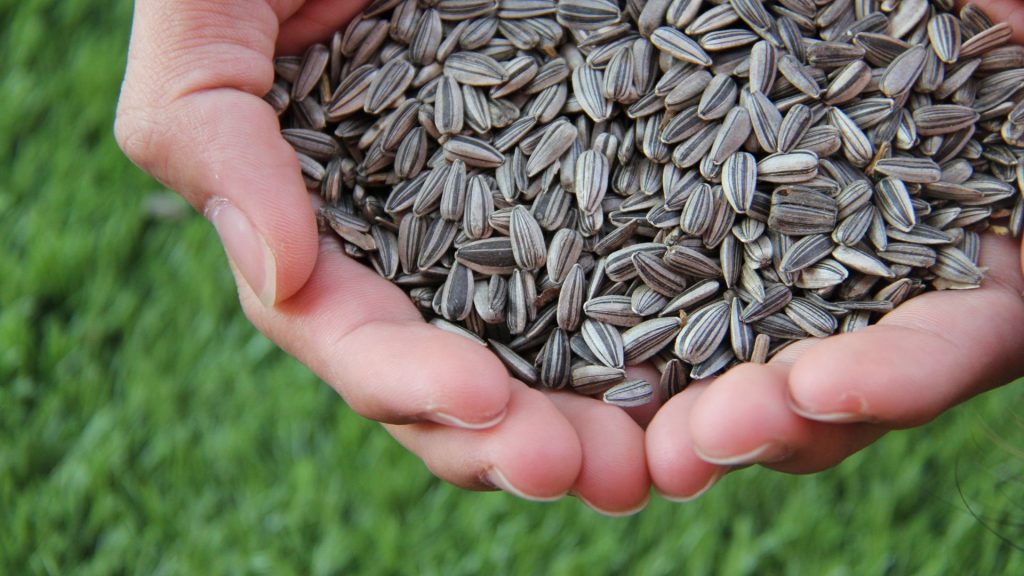
High quality snap melon seeds ( Cucumis melo var. flexuosus) represent a critical component within the agricultural supply chain, specifically within the cucurbit vegetable sector. Their technical position lies between primary agricultural production and the consumer packaged goods market, serving as the foundational material for fresh market snap melons. Core performance characteristics center around germination rate, seedling vigor, uniformity of fruit set, disease resistance, and ultimately, the yield and quality of marketable snap melons. Achieving consistently high quality snap melon seeds is paramount for growers seeking predictable harvests and maximizing profitability, addressing a major pain point of yield instability and potential economic losses due to poor seed quality. This guide provides an in-depth technical examination of snap melon seed production, properties, performance, and maintenance, geared towards agricultural professionals, seed producers, and procurement specialists.
Material Science & Manufacturing
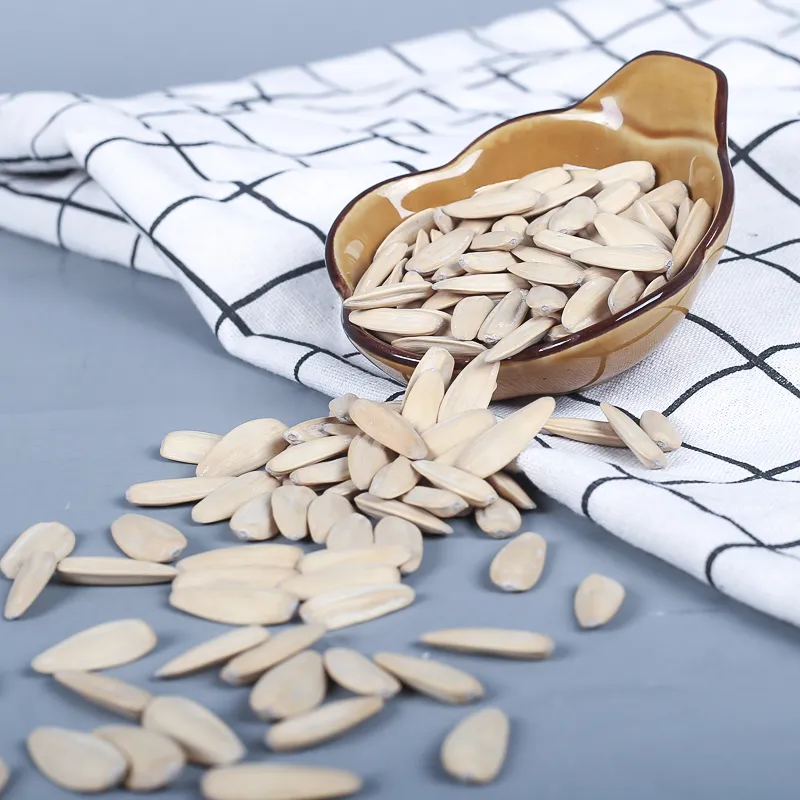
The foundational material science of snap melon seeds revolves around the endosperm, cotyledons, seed coat (testa), and embryo. The endosperm provides the primary energy reserve for germination, composed of starch, proteins, and lipids. The cotyledons function as the initial photosynthetic organs. The seed coat, consisting of cellulose and lignin, provides physical protection and regulates water uptake. Manufacturing begins with controlled pollination to ensure genetic purity and hybrid vigor (in hybrid varieties). Following maturation on the vine, harvesting is often mechanized, followed by drying to a moisture content of approximately 7-8% to inhibit fungal growth and preserve viability. Seed cleaning involves separation based on size and density, removing chaff, debris, and immature or damaged seeds. Further processing may include coating with fungicides, insecticides, or polymer films to enhance handling, protect against soilborne pathogens, and improve germination synchronicity. Key parameter control during drying is critical, with temperature and humidity carefully monitored to prevent thermal damage to the embryo. Seed coating formulations must exhibit compatibility with the seed surface and deliver consistent active ingredient distribution. Seed quality is assessed through tetrazolium testing (to assess viability) and purity analysis (to determine percentage of true seed versus inert material and weed seeds).
Performance & Engineering
Performance of snap melon seeds is intrinsically linked to germination percentage, germination rate (measured in days), and seedling vigor. Germination percentage is fundamentally governed by seed viability, influenced by storage conditions (temperature, humidity, oxygen availability) and seed aging. Seed vigor, reflecting the seedling’s ability to establish and grow rapidly under adverse conditions, is affected by seed size, endosperm quality, and the presence of protective compounds. Engineering considerations involve optimizing seed pelleting formulations for uniform size and shape, facilitating precision planting with mechanical seeders. Environmental resistance is paramount; seeds must withstand fluctuations in soil temperature and moisture, and exhibit tolerance to common soilborne pathogens like Fusarium and Pythium. Compliance requirements include adherence to national seed laws regarding germination percentage, purity, and freedom from prohibited weed seeds (e.g., regulated by the Association of Official Seed Certifying Agencies - AOSCA). Seed treatments must also comply with pesticide regulations regarding permitted active ingredients and maximum residue limits. Force analysis considers the impact forces during mechanical planting; seed coats must be sufficiently robust to resist cracking or damage.
Technical Specifications
| Germination Percentage (%) | Purity (%) | Moisture Content (%) | Seed Size (grams/100 seeds) |
|---|---|---|---|
| ≥ 90 | ≥ 98 | 7-8 | 18-22 |
| ≥ 85 (after 2 years storage) | ≥ 97 | ≤ 9 | 19-23 |
| ≥ 80 (treated seeds) | ≥ 95 | 6-7 | 20-24 |
| ≥ 75 (organic seeds) | ≥ 98 | 8-9 | 17-21 |
| ≥ 92 (Hybrid varieties) | ≥ 99 | 7.5-8.5 | 21-25 |
| ≥ 88 (Open-pollinated varieties) | ≥ 96 | 7-9 | 18-22 |
Failure Mode & Maintenance
Failure modes of snap melon seeds encompass several mechanisms. Seed dormancy breaking failure, where seeds fail to germinate even under optimal conditions, can result from insufficient chilling requirement fulfillment or presence of germination inhibitors. Mechanical damage during handling or planting, leading to seed coat cracking and embryo injury, is a common issue. Physiological deterioration during storage, caused by lipid peroxidation and enzyme activity, reduces viability over time. Infection by seedborne pathogens, such as Alternaria or Phomopsis, can cause seedling damping-off and mortality. Failure of seed treatments to provide adequate protection against soilborne diseases or insect pests is another potential issue. Maintenance involves proper storage conditions: low temperature (4-10°C), low humidity (<50%), and airtight containers. Periodic viability testing (every 6-12 months) is recommended to monitor seed quality. Seed treatments should be reapplied if storage duration exceeds the manufacturer’s recommendations. Strict sanitation protocols during seed handling and storage are essential to prevent contamination. Implementing a first-in, first-out (FIFO) inventory system ensures that older seed lots are used before newer ones, minimizing the risk of using deteriorated seeds.
Industry FAQ
Q: What is the impact of seed coating on snap melon seed performance?
A: Seed coating can significantly enhance snap melon seed performance. Polymer coatings provide a protective barrier against mechanical damage during planting and protect against soilborne pathogens. The inclusion of fungicides and insecticides in the coating offers early-season disease and pest control. Furthermore, coatings can improve seed flowability and facilitate uniform planting depth with mechanical seeders, contributing to improved emergence and stand establishment. However, the coating composition must be compatible with the seed and the intended soil environment to avoid negative impacts on germination.
Q: How does storage temperature affect the longevity of snap melon seeds?
A: Storage temperature is a critical determinant of snap melon seed longevity. For every 1°C decrease in storage temperature, the seed’s lifespan can be doubled. Ideally, seeds should be stored at 4-10°C. Temperatures above 20°C accelerate deterioration processes, leading to reduced germination percentage and vigor. Long-term storage at room temperature is not recommended as it significantly shortens the seed's viable lifespan.
Q: What are the key indicators of seed quality beyond germination percentage?
A: While germination percentage is a primary indicator, several other factors are crucial. Seed purity, which assesses the percentage of true seed versus inert matter and weed seeds, is vital. Seed vigor, evaluated through accelerated aging tests or seedling growth studies, reflects the seed's ability to perform under stress. Seed size and uniformity are also important, influencing planting precision and seedling emergence. Finally, freedom from seedborne pathogens is a critical quality parameter.
Q: How do hybrid versus open-pollinated snap melon seeds differ in terms of performance consistency?
A: Hybrid snap melon seeds generally exhibit greater performance consistency compared to open-pollinated varieties. This is due to the phenomenon of hybrid vigor, which results in improved uniformity in plant growth, fruit set, and yield. Open-pollinated seeds, while allowing for seed saving and adaptation to local environments, tend to exhibit greater genetic variability, leading to less predictable performance across different growing seasons and environments.
Q: What is the role of tetrazolium testing in quality control?
A: Tetrazolium testing is a rapid and reliable method for assessing seed viability. It involves staining seed sections with a tetrazolium salt, which is reduced by active enzymes in living cells to a red-colored compound. Viable seeds exhibit red staining, while non-viable seeds remain colorless. This test provides a quick assessment of the percentage of living embryos within a seed lot, allowing for early detection of quality issues and preventing the use of non-viable seeds.
Conclusion
High quality snap melon seed production is a complex process demanding meticulous attention to detail, from genetic purity and controlled pollination to optimized drying, cleaning, and storage protocols. The interplay of material science principles, manufacturing parameter control, and rigorous quality assurance measures directly dictates the ultimate performance of the seed and the resulting crop. Understanding the potential failure modes and implementing proactive maintenance strategies are essential for maximizing seed longevity and ensuring reliable germination rates.
Future advancements in snap melon seed technology will likely focus on enhancing seed vigor through improved coating formulations, developing more robust disease resistance traits through marker-assisted selection, and optimizing storage conditions to extend seed longevity. Continued research into seed physiology and biochemistry will provide valuable insights for improving seed quality and addressing the evolving challenges faced by snap melon growers. A commitment to stringent quality control and adherence to international standards remains paramount for delivering consistently high-performing snap melon seeds to the market.
