Introduction
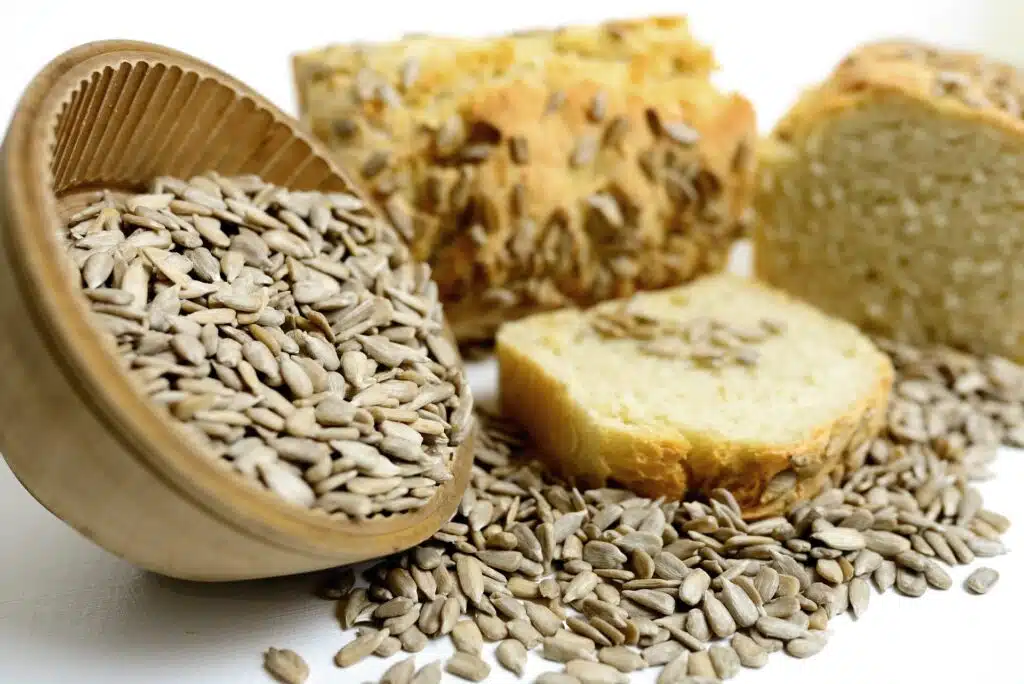
High quality snack sunflower seeds represent a significant segment within the broader snack food industry, positioned between commodity agricultural products and value-added consumer packaged goods. The production chain involves agricultural cultivation, post-harvest processing (drying, dehulling, grading), seasoning, packaging, and distribution. Core performance characteristics revolve around seed size consistency, kernel fullness, oil content, low moisture content (for shelf stability), minimal levels of undesirable compounds (aflatoxins, peroxide value), and appealing flavor profiles. The global snack food market demands consistent quality, traceability, and adherence to stringent food safety regulations, representing a primary challenge for producers. Sunflower seeds are increasingly marketed not only for their taste, but also for their nutritional benefits - a source of Vitamin E, healthy fats, and protein - which drives demand and necessitates quality control over the seed’s biochemical composition.
Material Science & Manufacturing
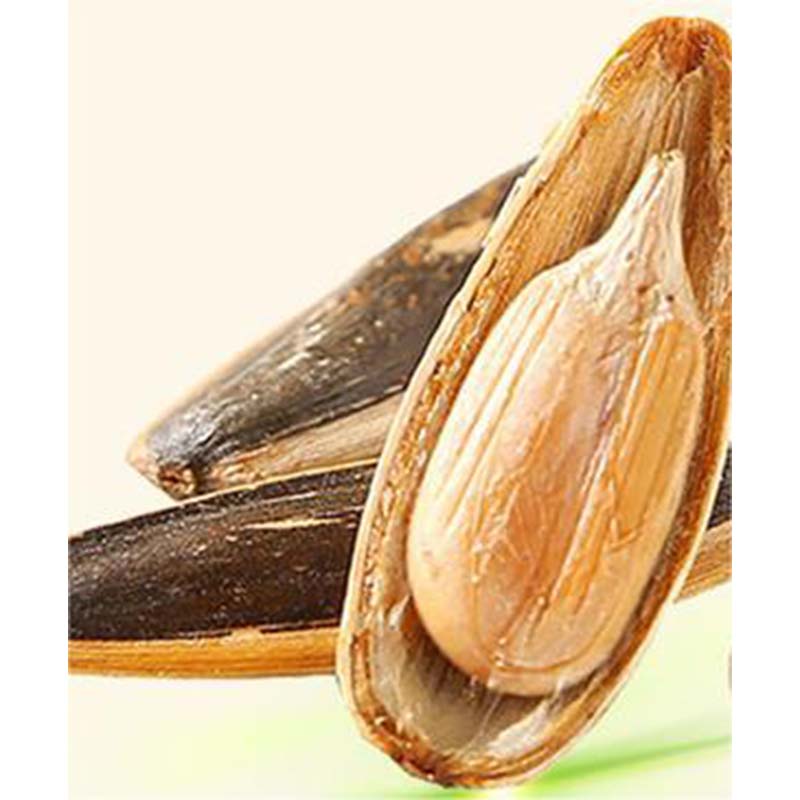
Sunflower seed composition centers around the oilseed kernel, the hull (pericarp), and the residual moisture content. The kernel consists primarily of triglycerides (lipids, typically 40-55% by weight), proteins (18-25%), carbohydrates (15-20%), and fiber. The oil content varies significantly with seed variety and growing conditions. The hull, primarily cellulose and lignin, contributes to the seed’s structural integrity and impacts dehulling efficiency. Manufacturing begins with harvesting at optimal maturity, followed by drying to approximately 8-10% moisture content to prevent fungal growth and rancidity. Dehulling is a critical process – mechanical dehulling utilizes abrasion and impact, requiring precise control of parameters like impact velocity and gap settings to minimize kernel damage. Grading separates seeds by size and density, typically employing sieving and air classification. Seasoning involves applying dry or liquid flavorings, adhering to specific formulation recipes. Packaging utilizes materials designed for moisture and oxygen barrier properties to maintain freshness. Key parameter control during processing includes monitoring kernel moisture content, oil quality (peroxide value, acidity), and aflatoxin levels. Seed variety significantly influences hull strength and kernel oil content; cultivars bred for improved processing traits are crucial for efficient manufacturing.
Performance & Engineering
The performance of snack sunflower seeds is dictated by their structural integrity, resistance to oxidation, and consumer palatability. Force analysis during dehulling centers around the fracture mechanics of the hull, with optimal processing minimizing kernel fracture. Environmental resistance concerns primarily shelf life – exposure to oxygen and moisture causes lipid oxidation (rancidity), leading to off-flavors and decreased nutritional value. Packaging materials provide the primary barrier against these environmental factors. Compliance requirements are extensive, governed by food safety standards (see Standards & Regulations section). Specifically, limits on aflatoxin B1 are rigorously enforced. Functional implementation of seasoning relies on consistent adhesion and even distribution. Flavor encapsulation techniques are utilized to enhance flavor retention and control release during consumption. The engineering design of processing equipment, particularly dehullers and seasoning drums, must account for the brittle nature of the seeds to minimize damage and maximize yield. Furthermore, storage conditions – temperature and humidity – significantly influence the rate of lipid oxidation and the overall shelf life of the finished product. Maintaining proper ventilation and temperature control within storage facilities is crucial.
Technical Specifications
| Parameter | Unit | Typical Range (High Quality Seeds) | Test Method |
|---|---|---|---|
| Oil Content (Dry Basis) | % | 50-58 | Soxhlet Extraction (AOCS Official Method) |
| Moisture Content | % | 6-8 | Oven Drying (AACC Method 925) |
| Kernel Size (Average) | mm | 10-14 | Sieve Analysis |
| Hull Content (Weight %) | % | <5 | Manual Separation & Weighing |
| Peroxide Value (PV) | meq O2/kg | <5 | Titrimetric Method (AOCS Official Method) |
| Aflatoxin B1 | ppb | <2 | HPLC with Fluorescence Detection (AOAC Official Method) |
Failure Mode & Maintenance
Failure modes in snack sunflower seeds can be categorized into physical damage, chemical degradation, and biological contamination. Physical damage during processing (dehulling, seasoning) results in cracked kernels, reducing aesthetic appeal and increasing susceptibility to oxidation. Chemical degradation, primarily lipid oxidation, leads to rancidity characterized by off-flavors and odors. This is exacerbated by exposure to oxygen, light, and elevated temperatures. Biological contamination, specifically aflatoxin production by Aspergillus fungi, poses a significant food safety risk. Maintenance of processing equipment is critical – regular cleaning and inspection of dehullers to prevent buildup of seed debris minimizes damage. Proper seasoning equipment calibration ensures even coating and prevents excessive mechanical stress on the seeds. Storage facilities must be regularly inspected for moisture and pest infestations. Predictive maintenance schedules, based on equipment operating hours and usage patterns, are essential for minimizing downtime and ensuring consistent product quality. Quality control checks throughout the production process – monitoring moisture content, peroxide value, and aflatoxin levels – provide early warning signs of potential failure modes and allow for corrective actions.
Industry FAQ
Q: What is the impact of seed variety on the final product quality?
A: Seed variety significantly influences several key quality attributes. High-oleic varieties exhibit superior oxidative stability, resulting in longer shelf life and reduced rancidity. Varieties with thinner hulls are easier to dehull, reducing kernel damage and increasing yield. Kernel size and shape also vary with variety, impacting consumer appeal and processing efficiency.
Q: How do you ensure consistent aflatoxin levels within acceptable limits?
A: Aflatoxin control begins with sourcing seeds from regions with low aflatoxin prevalence. Pre-harvest monitoring of fields for fungal infection is crucial. Rapid and accurate aflatoxin testing is performed at multiple stages of processing – incoming raw materials, intermediate products, and finished goods. Good manufacturing practices (GMPs) and Hazard Analysis and Critical Control Points (HACCP) systems are implemented to minimize contamination risks.
Q: What are the challenges associated with maintaining flavor consistency in seasoned sunflower seeds?
A: Maintaining flavor consistency requires precise control of seasoning application rates, even distribution of seasoning, and protection against flavor loss due to oxidation or volatilization. Flavor encapsulation technologies can help enhance flavor retention. Packaging materials with high barrier properties are essential for preventing flavor degradation during storage. Regular sensory evaluations are conducted to monitor flavor profiles.
Q: What is the role of packaging in extending shelf life?
A: Packaging plays a critical role in protecting sunflower seeds from oxygen, moisture, and light – the primary drivers of quality deterioration. Multi-layer films with high barrier properties (e.g., metallized polyester, EVOH) are typically used. Modified atmosphere packaging (MAP) with nitrogen flushing can further extend shelf life by reducing oxygen levels within the package.
Q: How does moisture content affect the quality and shelf life of the final product?
A: Moisture content is a critical quality parameter. Excessive moisture promotes fungal growth, rancidity, and clumping. Maintaining a low and consistent moisture content (typically 6-8%) through proper drying and packaging is essential for maximizing shelf life and preventing quality defects.
Conclusion
The production of high-quality snack sunflower seeds is a complex process demanding meticulous attention to detail across the entire supply chain. From seed selection and agricultural practices to advanced processing techniques and stringent quality control measures, each stage influences the final product’s safety, flavor, nutritional value, and shelf life. The interplay between material science – understanding the properties of the seed itself – and engineering principles – optimizing processing equipment and packaging – is paramount.
Future trends will likely focus on developing novel seed varieties with enhanced processing traits and nutritional profiles, implementing more sustainable and efficient manufacturing processes, and utilizing advanced packaging technologies to extend shelf life and minimize environmental impact. Continuous monitoring of regulatory requirements and adherence to international food safety standards will remain critical for maintaining consumer trust and market access.
