Introduction
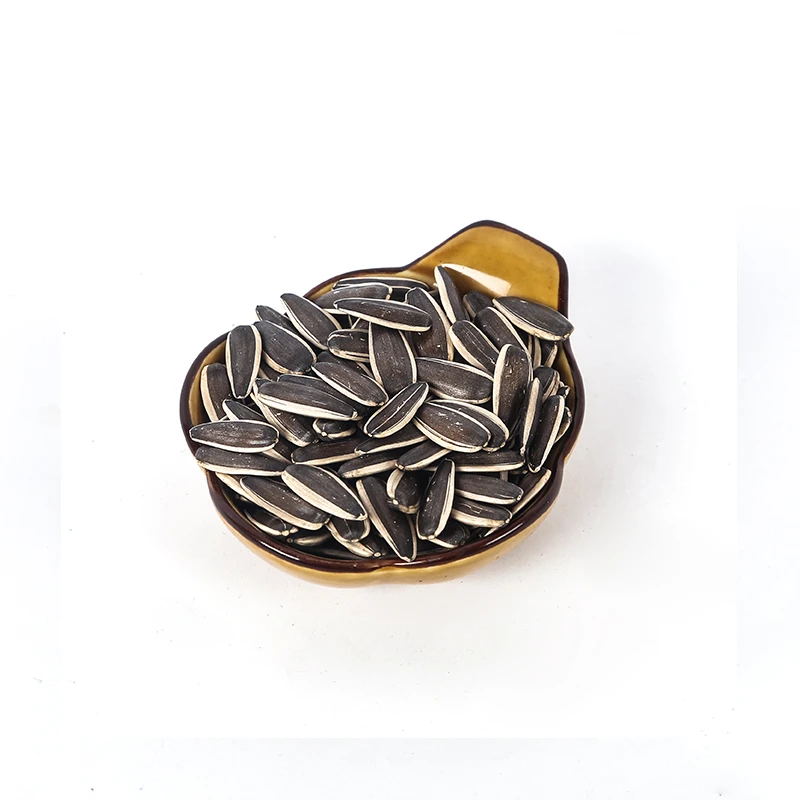
High quality small size sunflower seeds (Helianthus annuus) represent a specialized segment within the broader sunflower seed market, distinguished by their kernel size and resulting oil content and protein profile. These seeds are primarily utilized in confectionary applications – direct human consumption – and to a lesser extent, in birdseed formulations. Their technical position within the agricultural supply chain places them between primary cultivation and processing (dehulling, grading, roasting/salting) and final consumer product manufacturing. Core performance characteristics center around kernel oil yield (typically 42-50% by weight), protein content (20-25%), fatty acid profile (linoleic and oleic acid ratios impacting shelf life and nutritional value), and absence of defects impacting processing efficiency and consumer acceptability. A key industry pain point revolves around maintaining consistent kernel size and minimizing the presence of hull fragments, both directly affecting confectionary product quality and processing yields. Ensuring minimal aflatoxin contamination is also critical, requiring stringent agricultural practices and post-harvest handling procedures.
Material Science & Manufacturing
The raw material for high quality small size sunflower seeds is, fundamentally, the Helianthus annuus seed itself. The seed’s composition is characterized by a hull (pericarp) averaging 20-30% of total seed weight, a kernel containing the embryo and endosperm (approximately 50-60%), and associated structures such as the seed coat. The hull provides physical protection and contains lignans and cellulose. The kernel is rich in lipids (triacylglycerols), proteins (primarily globulins and albumin), carbohydrates, and minor components including vitamins (E, B-complex), minerals (magnesium, selenium), and phenolic compounds. Manufacturing begins with carefully controlled cultivation practices to maximize kernel development and minimize hull thickness. Hybrid seed varieties are selected for traits promoting uniform kernel size and high oil content. Post-harvest processing involves drying the seeds to a moisture content of approximately 9-10% to inhibit microbial growth and prevent cracking during dehulling. Dehulling is achieved through mechanical abrasion, utilizing centrifugal or impact-based systems. Critical parameters during dehulling include impact velocity, abrasive surface texture, and seed feed rate – improper control leads to kernel damage (cracking, chipping) and increased hull fragment contamination. Grading then separates seeds based on size, density, and color, removing foreign material. Optical sorting technologies are increasingly employed to detect and remove discolored or damaged seeds. Finally, seeds are often dried further to a final moisture content of 6-7% for long-term storage. Parameter control regarding drying temperature is vital; exceeding 45°C can denature proteins and initiate lipid oxidation, impacting product quality.
Performance & Engineering
The performance of high quality small size sunflower seeds is heavily tied to their structural integrity and biochemical composition. Force analysis during processing – particularly dehulling and handling – reveals that kernel fracture strength is a key parameter. This strength is directly influenced by kernel moisture content, hull thickness, and the presence of micro-cracks. Environmental resistance is a critical consideration, specifically susceptibility to moisture reabsorption and oxidation. The fatty acid profile, particularly the linoleic acid content, determines the rate of oxidative rancidity, accelerated by exposure to oxygen, light, and elevated temperatures. Packaging materials must therefore provide an effective oxygen barrier. Compliance requirements mandate adherence to strict standards for aflatoxin levels (produced by Aspergillus molds), heavy metal contamination (lead, cadmium), and pesticide residues. Functional implementation focuses on maximizing the proportion of whole, undamaged kernels in the final product. Kernel size uniformity is crucial for even roasting and coating, ensuring consistent product appearance and taste. The oil content directly impacts the energy density and nutritional value of the seed, while protein content contributes to textural characteristics. Engineering considerations include optimizing equipment design (dehullers, graders, dryers) to minimize kernel damage and maximize processing throughput. Seed shape (elongated vs. spherical) and surface texture also influence handling characteristics in automated processing lines.
Technical Specifications
| Parameter | Unit | Typical Value (Range) | Test Method |
|---|---|---|---|
| Kernel Oil Content | % (wt/wt) | 42-50 | AOAC Official Method 985.05 |
| Kernel Protein Content | % (wt/wt) | 20-25 | Kjeldahl Method (AOAC Official Method 920.87) |
| Kernel Moisture Content | % (wt/wt) | 6-8 | Oven Drying Method (AOAC Official Method 925.09) |
| Kernel Size (Diameter) | mm | 6-8 | Sieve Analysis (ASTM E11) |
| Aflatoxin B1 Level | ppb | < 5 | HPLC with Fluorescence Detection (AOAC Official Method 999.09) |
| Hull Content (in final product) | % (wt/wt) | < 5 | Visual Inspection & Weight Loss on Ignition |
Failure Mode & Maintenance
Failure modes in high quality small size sunflower seeds can be categorized into several types. Lipid Oxidation is a primary degradation pathway, leading to rancidity, off-flavors, and decreased nutritional value. This is initiated by oxygen exposure and accelerated by temperature and light. Kernel Cracking and Chipping occurs during dehulling, grading, and handling, reducing the proportion of whole kernels and impacting processing efficiency. This is often linked to improper equipment settings or excessive moisture content. Aflatoxin Contamination represents a critical safety concern, arising from fungal growth during cultivation, harvesting, and storage. This requires rigorous quality control measures. Moisture Reabsorption can lead to microbial growth and caking, compromising product shelf life. Hull Fragment Contamination reduces product purity and affects consumer acceptance. Preventative maintenance involves regular cleaning and inspection of processing equipment to minimize kernel damage. Proper storage conditions – low temperature (below 15°C), low humidity (below 65%), and protection from light – are crucial for minimizing lipid oxidation and microbial growth. Regular aflatoxin testing is essential throughout the supply chain. Implementing a robust Quality Management System (QMS) based on Hazard Analysis and Critical Control Points (HACCP) principles is critical for preventing and mitigating these failure modes. Periodic calibration of moisture meters and optical sorters is also necessary.
Industry FAQ
Q: What are the key differences between confectionery and oilseed sunflower varieties, and how do these differences impact seed processing?
A: Confectionary varieties are specifically bred for large kernel size, thin hulls, and a high hull-to-kernel ratio. This simplifies dehulling and results in a higher percentage of whole kernels. Oilseed varieties prioritize oil yield over kernel size, resulting in smaller kernels and thicker hulls, making dehulling more challenging and potentially leading to greater kernel damage. The oilseed varieties also tend to have different fatty acid profiles, impacting oil quality.
Q: How does the initial moisture content of the harvested sunflower heads affect the quality of the final product?
A: High moisture content during harvest promotes fungal growth, increasing the risk of aflatoxin contamination. It also makes the seeds more susceptible to cracking during dehulling. Optimal moisture content at harvest is typically around 10-12%. Rapid and uniform drying is essential to prevent deterioration.
Q: What are the common causes of discoloration in sunflower kernels, and how can these be prevented?
A: Discoloration can be caused by several factors, including fungal infection, insect damage, weathering during harvest, and enzymatic oxidation. Prevention strategies include proper crop rotation, timely harvesting, effective pest control, and minimizing exposure to sunlight and moisture.
Q: What is the role of optical sorting in maintaining high quality standards?
A: Optical sorting utilizes cameras and image processing algorithms to detect and remove defective seeds based on color, size, shape, and surface defects. This significantly improves product purity and reduces the presence of damaged or discolored kernels, ensuring compliance with stringent quality standards. It is particularly effective in removing seeds affected by minor fungal infections or insect damage that might not be detectable through visual inspection.
Q: What packaging materials are recommended for long-term storage of high quality sunflower seeds, and why?
A: Packaging materials with excellent oxygen barrier properties and moisture resistance are recommended. Multi-layer films incorporating aluminum foil or metallized polyester are commonly used. The packaging should also be opaque to protect against light-induced oxidation. Modified atmosphere packaging (MAP) with nitrogen flushing can further extend shelf life by reducing oxygen levels.
Conclusion
The production of high quality small size sunflower seeds demands a holistic approach encompassing meticulous agricultural practices, precise post-harvest processing, and stringent quality control measures. Maintaining consistent kernel size, minimizing hull fragments, and preventing aflatoxin contamination are paramount concerns. Successful manufacturers prioritize parameter control at every stage, from cultivation to packaging, to ensure a consistently high-quality product that meets the demands of the confectionary industry.
Future developments will likely focus on enhancing seed breeding programs to improve oil content, protein profile, and resistance to disease, as well as refining processing technologies to minimize kernel damage and maximize throughput. Advanced sensor technologies and data analytics will play an increasingly important role in optimizing process control and ensuring product safety and quality. The adoption of sustainable agricultural practices will also be critical for long-term viability.
