Introduction
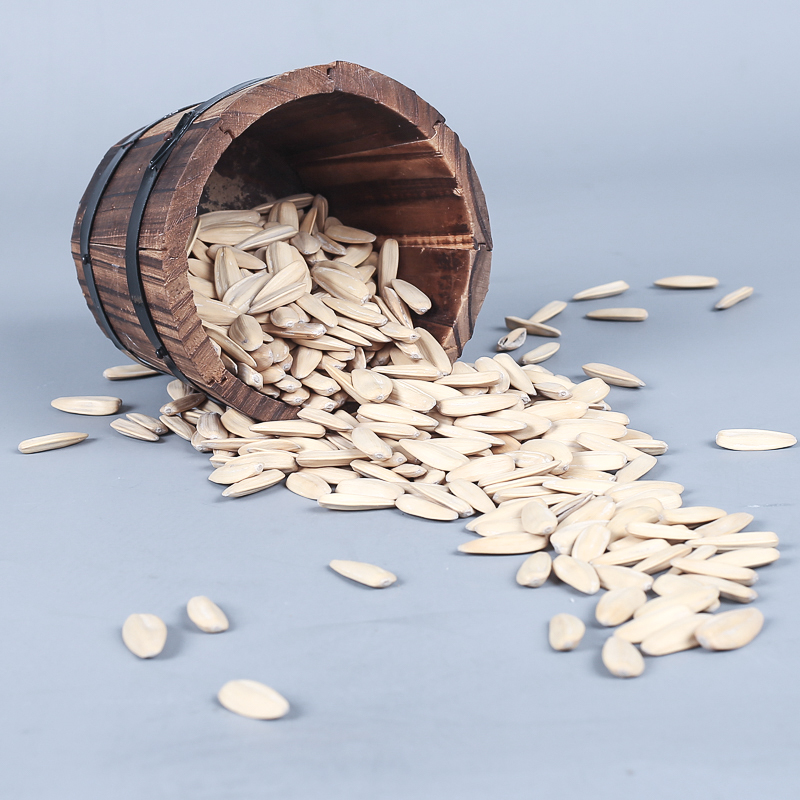
High quality small melon seeds represent a critical component within the broader agricultural supply chain, functioning as a primary propagation material and direct consumption product. Their technical position lies at the intersection of agronomic science, seed physiology, and food safety regulations. These seeds, typically originating from Cucumis melo varieties selected for desirable traits such as fruit size, flavor, and disease resistance, require stringent quality control throughout their lifecycle – from breeding and harvesting to processing and storage. Core performance characteristics revolve around germination rate, seed vigor, genetic purity, and freedom from pathogens. The industry faces ongoing challenges related to maintaining consistent quality in the face of climate variability, evolving pest pressures, and increasingly demanding consumer expectations regarding nutritional value and traceability. This guide provides a comprehensive technical overview of high-quality small melon seeds, addressing material science, manufacturing processes, performance specifications, potential failure modes, and relevant industry standards.
Material Science & Manufacturing
The core material science of high-quality small melon seeds centers on the biochemical composition of the seed itself. The seed comprises an embryo, endosperm (providing nutrients for germination), and a seed coat (testa) offering physical protection. The testa is primarily composed of cellulose, hemicellulose, and lignin, contributing to its structural integrity and impermeability. The embryo contains proteins, lipids, and carbohydrates essential for seedling development. Lipid content, specifically oil composition (linoleic, oleic, and palmitic acids), significantly influences seed vigor and storage longevity. Manufacturing begins with controlled pollination and harvesting at physiological maturity. Post-harvest processing involves drying (typically air-drying or controlled temperature drying to achieve a moisture content of 7-9%), cleaning (removing debris and chaff), grading (based on size and shape using sieving technologies), and seed treatment (application of fungicides and insecticides to protect against seed-borne diseases and pests). Critical parameters during drying include temperature and airflow rate; exceeding optimal temperatures can lead to protein denaturation and reduced germination capacity. Seed treatment uniformity is also crucial for effective pest and disease control. Seed storage requires low temperature (below 15°C) and low relative humidity (below 50%) to minimize metabolic activity and maintain viability. The production flow involves field selection (soil composition, irrigation), harvesting timing (maturity index), pre-cleaning, drying, post-cleaning, grading, seed treatment, quality control testing (germination, purity), packaging, and storage. Maintaining genetic purity through isolation distances and rogueing (removal of off-type plants) is paramount.

Performance & Engineering
Performance evaluation of high-quality small melon seeds is multi-faceted, encompassing germination rate, germination energy (speed of germination), seedling vigor (growth rate and robustness), and genetic purity. Germination rate is typically assessed under controlled laboratory conditions (temperature, moisture, light) using standard germination tests (e.g., rolled towel method, petri dish method). Engineering considerations involve optimizing seed packaging to ensure seed protection during transport and storage. Packaging materials must provide a barrier against moisture, oxygen, and physical damage. Seed coatings (polymer-based) are increasingly used to improve seed handling, protect against pests and diseases, and deliver nutrients or growth regulators. Force analysis applies to seed handling equipment (e.g., planters, seed drills) – minimizing mechanical damage during sowing is critical for maintaining seed viability. Environmental resistance focuses on seed tolerance to temperature fluctuations, humidity variations, and soil salinity. Compliance requirements include adherence to national and international seed regulations (e.g., seed labeling standards, phytosanitary certificates) and quality control standards (e.g., ISTA rules). Seed longevity is directly related to storage conditions and seed moisture content. The Arrhenius equation is commonly used to model seed aging rates, predicting viability loss over time based on temperature and moisture levels. The physical properties such as seed size, shape and weight affect the performance of automated planting equipment, requiring tight tolerances and consistent seed quality.
Technical Specifications
| Parameter | Unit | Specification (High Quality) | Testing Method |
|---|---|---|---|
| Germination Rate | % | ≥ 90 | ISTA Procedure |
| Purity | % | ≥ 99 | ISTA Procedure |
| Moisture Content | % | 7 - 9 | Oven Drying Method (ISTA) |
| 1000-Seed Weight | g | 10 – 15 (varies by variety) | Analytical Balance |
| Seed Vigor Index | - | ≥ 70 | Cold Germination Test |
| Inert Matter | % | ≤ 0.5 | Visual Inspection & Weight Analysis |
Failure Mode & Maintenance
Common failure modes for high-quality small melon seeds include low germination rate due to seed aging, mechanical damage during handling, infection by seed-borne pathogens, and insect infestation. Seed aging is characterized by a decline in embryo viability resulting from oxidative damage and accumulation of metabolic by-products. Mechanical damage, such as cracking or bruising, can compromise seed integrity and reduce germination potential. Seed-borne pathogens (e.g., Fusarium, Alternaria) can cause seedling damping-off and significant yield losses. Insect infestation (e.g., storage pests) can damage the seed coat and embryo, rendering the seeds non-viable. Maintenance strategies focus on proper storage conditions (low temperature, low humidity), effective pest and disease control during storage, and regular quality control testing. Seed treatment with fungicides and insecticides can prevent pathogen and insect attack. Maintaining accurate storage records (temperature, humidity, date of packaging) is crucial for monitoring seed lot performance and predicting longevity. Failure analysis involves assessing germination rates, conducting seed health tests to identify pathogens, and examining seed morphology for signs of mechanical damage. Corrective actions include adjusting storage conditions, implementing more effective pest control measures, and sourcing seeds from reputable suppliers. Oxidation of seed lipids contributes to declining viability; therefore, minimizing oxygen exposure during storage is critical.
Industry FAQ
Q: What is the impact of seed moisture content on long-term storage viability?
A: Seed moisture content is arguably the most critical factor influencing long-term storage viability. As moisture content increases, metabolic activity accelerates, leading to a faster decline in seed viability. Generally, reducing moisture content to 7-9% and maintaining it under controlled storage conditions (low temperature, low relative humidity) significantly extends seed longevity. The relationship between moisture content and seed aging follows the Arrhenius equation, demonstrating an exponential decline in viability with increasing moisture.
Q: How do different seed treatment methods affect seedling establishment?
A: Seed treatments, including fungicide, insecticide, and polymer coatings, can significantly impact seedling establishment. Fungicides protect against seed-borne diseases that cause damping-off, while insecticides prevent insect damage. Polymer coatings can improve seed handling, enhance water absorption, and deliver nutrients, promoting faster and more uniform germination. However, improper application or the use of incompatible chemicals can negatively affect germination rate and seedling vigor.
Q: What are the key indicators of seed lot quality beyond germination rate?
A: While germination rate is a primary indicator, several other factors are crucial for assessing seed lot quality. These include purity (percentage of true seeds), seed vigor (speed and strength of germination), 1000-seed weight (indicating seed size and fullness), and seed health (absence of pathogens and pests). Seed vigor indices, determined through accelerated aging or cold germination tests, provide a more comprehensive assessment of seed performance under stress conditions.
Q: What quality control measures are essential during the seed harvesting and drying process?
A: Essential quality control measures include harvesting at physiological maturity, rapid and uniform drying to the optimal moisture content (7-9%), thorough cleaning to remove debris and chaff, and regular monitoring of temperature and humidity during drying. Preventing mechanical damage during harvesting and handling is also critical. Maintaining traceability throughout the process is vital for identifying and addressing any quality issues.
Q: What is the role of genetic purity in maintaining consistent crop performance?
A: Genetic purity is paramount for ensuring consistent crop performance. Maintaining genetic purity prevents undesirable traits from appearing in subsequent generations, preserving the desired characteristics of the melon variety (e.g., fruit size, flavor, disease resistance). This is achieved through isolation distances during seed production, rogueing (removal of off-type plants), and rigorous seed testing to verify genetic identity.
Conclusion
High-quality small melon seeds are a complex product demanding meticulous attention to detail throughout the entire production process. Their performance is dictated by a confluence of material science principles governing seed structure and composition, stringent manufacturing protocols ensuring purity and vigor, and adherence to rigorous quality control standards. Maintaining optimal storage conditions is paramount to preserving viability and maximizing germination potential.
The continued advancement of seed technology, including improved seed treatments and precision seed handling equipment, will play a crucial role in meeting the growing global demand for high-yielding and disease-resistant melon crops. Ongoing research into seed physiology and genetics will further refine our understanding of seed longevity and optimize storage strategies. Implementing robust traceability systems will enhance transparency and accountability throughout the supply chain.
