Introduction
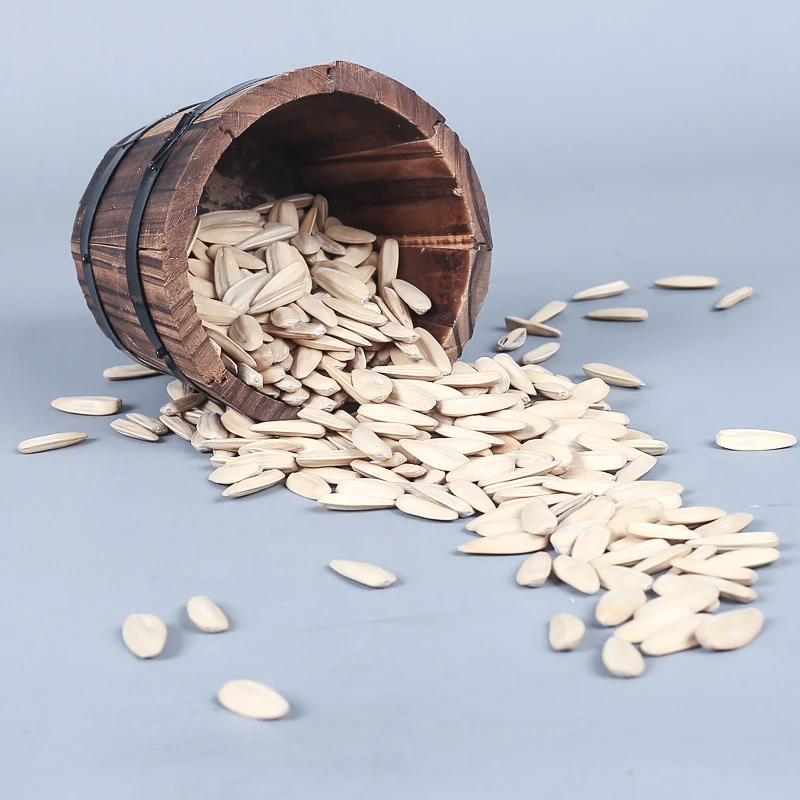
High quality smackin sunflower seeds represent a significant segment within the snack food industry, positioned as a convenient, nutritious, and flavor-centric product. These seeds differ from standard sunflower seeds through meticulous selection of cultivars, optimized processing techniques, and stringent quality control measures. This guide details the technical aspects of their production, from seed genetics and agricultural practices to the engineering of the “smackin’” flavor profile and the maintenance of product integrity. Core performance attributes include shell integrity (affecting ease of de-hulling), kernel fill (percentage of kernel within the shell), oil content (influencing flavor and texture), and the adherence of seasoning compounds. The industry faces challenges related to maintaining consistent flavor profiles, preventing rancidity, optimizing shell fracture resistance, and ensuring regulatory compliance regarding oil quality and allowable additives. This document provides a detailed technical analysis for manufacturers, procurement specialists, and quality control engineers involved in the supply chain.
Material Science & Manufacturing
The foundation of high quality smackin sunflower seeds lies in the Helianthus annuus plant, specifically cultivars bred for large seed size, high oil content (typically 40-55% by weight), and a hull structure conducive to easy cracking. Raw material selection prioritizes seeds with a moisture content of 8-10% to prevent fungal growth during storage. The hull is composed primarily of cellulose and lignin, providing a protective barrier for the kernel. The kernel itself is rich in linoleic acid (an omega-6 fatty acid), oleic acid (an omega-9 fatty acid), and vitamin E. Manufacturing begins with dehulling, a critical process utilizing impact dehullers or abrasive dehullers. Impact dehullers rely on controlled collisions to fracture the hull, while abrasive dehullers use friction. Parameter control during dehulling is paramount – excessive force causes kernel damage and increases fines (broken pieces), whereas insufficient force leaves hulls intact. Following dehulling, seeds are graded by size and density to remove foreign material and damaged kernels. The “smackin’” flavor is achieved through a multi-stage seasoning process. This involves tumbling the seeds with a carefully formulated seasoning blend, often containing salt, sugar, flavoring agents (hydrolyzed vegetable protein, yeast extract), and spices. A critical parameter is the adhesion rate of the seasoning, which is influenced by seed surface moisture, seasoning particle size distribution, and tumbling duration. Coating uniformity is assessed using image analysis techniques. Finally, seeds are packaged in moisture-barrier films (typically multi-layer polypropylene or polyethylene) to maintain freshness and prevent rancidity.
Performance & Engineering
Performance evaluation of high quality smackin sunflower seeds requires analysis across several key areas. Shell fracture force is a critical engineering parameter, directly impacting consumer satisfaction. This is quantified using a compression testing machine, measuring the force required to crack the shell. Target values typically range from 2-5 kgf, depending on the cultivar and desired “smack” level. The seasoning adhesion strength is evaluated through a shear test, measuring the force needed to remove the seasoning layer. A minimum adhesion strength of 0.2 N/mm is generally required to prevent excessive seasoning loss during handling and consumption. Environmental resistance is assessed through accelerated aging studies, exposing seeds to elevated temperatures (40-50°C) and humidity (70-80% RH) to simulate long-term storage conditions. Oil stability is monitored by measuring the peroxide value (PV) and anisidine value (AV) – indicators of oxidation. Regulatory compliance mandates adherence to FDA guidelines regarding food additives, heavy metal limits (lead, cadmium, arsenic), and pesticide residues. Packaging materials must meet FDA standards for food contact substances and provide adequate barrier properties to prevent oxygen permeation and moisture ingress. Furthermore, packaging design must consider ergonomic factors for ease of opening and dispensing.
Technical Specifications
| Parameter | Unit | Typical Value | Acceptable Range |
|---|---|---|---|
| Kernel Moisture Content | % | 7.5 | 6.0 – 9.0 |
| Oil Content | % | 48 | 45 – 55 |
| Shell Fracture Force | kgf | 3.5 | 2.0 – 5.0 |
| Seasoning Adhesion Strength | N/mm | 0.3 | 0.2 – 0.5 |
| Peroxide Value (PV) | meq O2/kg | 2.0 | < 5.0 |
| Anisidine Value (AV) | meq/kg | 8.0 | <15.0 |
Failure Mode & Maintenance
High quality smackin sunflower seeds are susceptible to several failure modes. Rancidity, caused by lipid oxidation, is a primary concern, resulting in off-flavors and reduced product appeal. This is accelerated by exposure to oxygen, light, and elevated temperatures. Packaging with high oxygen barrier properties and storage in cool, dark conditions are essential preventative measures. Shell cracking during processing or handling can lead to kernel damage and increased fines. Optimizing dehulling parameters and implementing gentle handling procedures are crucial. Seasoning loss during distribution and storage results in a diminished flavor experience. Improved seasoning adhesion techniques and protective packaging can mitigate this issue. Hygroscopic behavior of the seasoning can lead to caking or clumping, affecting flowability and dispensing. Maintaining low humidity conditions during processing and packaging is vital. Microbial contamination, although relatively rare, can occur if moisture content is excessive. Proper sanitation practices and the use of food-grade preservatives can prevent microbial growth. Maintenance involves regular inspection of processing equipment (dehullers, seasoning tumblers, packaging machines) for wear and tear. Calibration of sensors and control systems is essential to maintain consistent product quality. Implementation of a robust quality control program, including regular sensory evaluations and chemical analyses, is critical for detecting and addressing potential failures.
Industry FAQ
Q: What is the primary factor influencing the shelf life of smackin sunflower seeds?
A: The primary factor is the rate of lipid oxidation. Unsaturated fatty acids in the kernel are prone to rancidity when exposed to oxygen. Proper packaging with high oxygen barrier properties (e.g., metallized films, multi-layer polymers) and the addition of antioxidants (e.g., Vitamin E, BHA/BHT within regulatory limits) are critical for extending shelf life.
Q: How does seed moisture content impact the dehulling process?
A: Optimal seed moisture content is between 8-10%. Too low, and the seeds become brittle, leading to increased kernel damage during dehulling. Too high, and the hulls become pliable, making efficient separation difficult and promoting microbial growth. Precise control of seed drying is essential.
Q: What techniques are used to ensure uniform seasoning distribution?
A: Uniform seasoning distribution relies on a combination of factors. These include: precise control of tumbling speed and duration, optimized seasoning particle size distribution (smaller particles adhere more readily), and the use of liquid seasoning pre-coats to enhance adhesion. Image analysis is used to assess coating uniformity.
Q: What are the key considerations when selecting packaging materials?
A: Packaging materials must provide excellent moisture and oxygen barrier properties to prevent rancidity and maintain crispness. They also need to be food-grade, compliant with FDA regulations, and offer sufficient mechanical strength to withstand handling and transportation. Ergonomic design for ease of opening is also a factor.
Q: How is the “smack” level of the seeds consistently achieved?
A: The “smack” level is achieved through a combination of cultivar selection (influencing hull thickness and fracture properties), controlled dehulling parameters (optimizing shell cracking), and precise control of seed size and density during grading. The goal is to consistently deliver a defined shell fracture force.
Conclusion
The production of high quality smackin sunflower seeds is a complex process demanding precise control over numerous parameters, from agricultural practices and seed selection to advanced manufacturing techniques and robust quality control. Maintaining optimal moisture content, achieving consistent shell fracture characteristics, ensuring uniform seasoning adhesion, and mitigating oxidative degradation are all critical to delivering a superior product. The integration of material science principles, engineering analysis, and regulatory compliance is paramount for success.
Future development in this area will likely focus on optimizing dehulling technologies to minimize kernel damage, exploring novel seasoning formulations with enhanced adhesion and flavor stability, and implementing advanced packaging materials with improved barrier properties. Further research into genetic breeding programs aimed at developing cultivars with enhanced oil quality and shell characteristics will also contribute to the continued improvement of high quality smackin sunflower seeds.
