Introduction
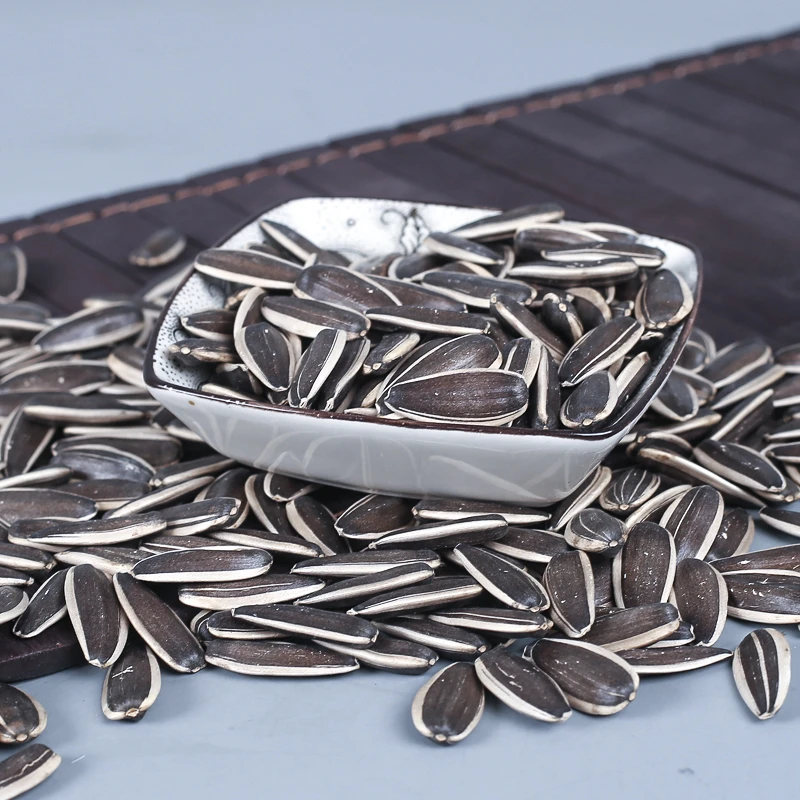
High quality shelling sunflower seeds ( Helianthus annuus) represent a significant commodity within the food processing industry, serving as a primary source of edible oil, snack food, and animal feed. Their technical position in the agricultural supply chain lies between primary agricultural production and downstream consumer product manufacturing. Crucially, the "shelling" characteristic – the ease with which the kernel is separated from the hull – is a defining performance indicator impacting processing efficiency and yield. Seed quality is assessed on parameters including kernel size, oil content, moisture content, hull percentage, and freedom from defects like damaged kernels or foreign material. The industry faces persistent challenges relating to consistent kernel size for automated processing, minimizing hull fragments in the final product, and maintaining acceptable oil quality standards to meet food safety regulations. This guide provides an in-depth technical assessment of shelling sunflower seed quality, encompassing material science, manufacturing processes, performance characteristics, failure modes, and relevant industry standards.
Material Science & Manufacturing
Sunflower seed composition is complex. Kernels are approximately 40-55% oil (primarily linoleic acid, an omega-6 fatty acid), 20-25% protein, and 10-15% carbohydrates, with the remainder comprising fiber, moisture, and minerals. The hull, constituting 20-30% of the seed’s weight, is primarily composed of cellulose, hemicellulose, and lignin providing structural rigidity. Raw material variability significantly influences seed quality; factors like cultivar, growing conditions (soil composition, temperature, rainfall), and harvest timing impact oil content, kernel size, and hull strength.
Manufacturing begins with harvesting and drying to a target moisture content of 8-10% to prevent fungal growth and maintain oil quality. The critical step is shelling, typically performed using impact-based dehullers. These machines utilize controlled impact forces to fracture the hull, separating it from the kernel. Key parameters in this process are impact velocity, clearance between impact surfaces, and feed rate. Excessive impact force leads to kernel damage (splits, cracks) reducing its value. Insufficient force results in incomplete hull removal, necessitating secondary cleaning processes. Subsequent cleaning utilizes air separation, screening, and gravity tables to remove hull fragments, foreign matter, and broken kernels. Oil extraction, usually through solvent extraction (hexane) or mechanical pressing, follows shelling. Quality control at each stage relies on optical sorting technology evaluating seed color, size, and shape to remove defective material. Emerging technologies include near-infrared (NIR) spectroscopy for rapid oil content and moisture analysis directly on the seed stream.
Performance & Engineering
Performance evaluation centers on minimizing processing losses and maximizing kernel recovery. Force analysis of the shelling process reveals a complex interplay between hull strength, kernel resistance, and impact energy. Hull strength is determined by cellulose content and degree of lignification, which vary significantly based on cultivar and growing conditions. Kernel resistance is influenced by moisture content – higher moisture increases brittleness leading to increased breakage. Engineering design of dehullers focuses on optimizing impact geometry and controlling impact force to achieve a balance between efficient hull removal and minimal kernel damage.
Environmental resistance is relevant primarily during storage. Sunflower seeds are susceptible to aflatoxin contamination from Aspergillus molds, particularly under humid conditions. Effective storage requires maintaining low moisture levels (below 8.5%) and employing aeration systems to prevent temperature gradients. Packaging materials must provide a moisture barrier to prevent re-absorption of atmospheric humidity. Compliance requirements dictate adherence to food safety standards like those established by the FDA (Food and Drug Administration) and EFSA (European Food Safety Authority), governing permissible levels of aflatoxins and other contaminants. Functional implementation involves integrating quality control sensors (NIR, optical sorters) into the processing line for real-time monitoring and automated adjustment of processing parameters.
Technical Specifications
| Parameter | Unit | Grade A | Grade B |
|---|---|---|---|
| Kernel Oil Content | % (Dry Basis) | >50 | 45-50 |
| Kernel Moisture Content | % | <9 | 9-10 |
| Hull Percentage (by weight) | % | <8 | 8-12 |
| Kernel Size (1000-kernel weight) | grams | >55 | 50-55 |
| Damaged Kernels (splits, cracks) | % | <2 | 2-5 |
| Foreign Matter | % | <1 | 1-2 |
Failure Mode & Maintenance
Common failure modes in sunflower seed processing relate to both the seed itself and the processing equipment. Kernel cracking and splitting occur due to excessive impact forces during shelling, or due to low moisture content increasing brittleness. Delamination – separation of the kernel from its seed coat – can occur if seeds are subjected to rapid temperature changes or mechanical stress. Degradation of oil quality, specifically rancidity, occurs due to oxidation of unsaturated fatty acids accelerated by exposure to air, light, and high temperatures. Oxidation is exacerbated by the presence of metal ions. Fungal growth, particularly Aspergillus, leads to aflatoxin contamination posing a significant health risk.
Preventative maintenance on shelling equipment focuses on regular inspection and replacement of impact surfaces to maintain consistent impact force. Lubrication of bearings and moving parts is crucial to minimize friction and prevent wear. Air separation systems require regular filter cleaning to maintain efficient operation. Seed storage facilities require routine monitoring of temperature and humidity and implementation of pest control measures. Regular cleaning of processing lines minimizes the buildup of seed debris, reducing the risk of fungal growth and cross-contamination. Implementing a robust HACCP (Hazard Analysis and Critical Control Points) plan is essential for identifying and controlling potential hazards throughout the entire processing chain.
Industry FAQ
Q: What is the optimal moisture content for shelling sunflower seeds, and why is it critical?
A: The optimal moisture content for shelling sunflower seeds is between 8-10%. Below 8%, the kernels become excessively brittle, leading to increased cracking and breakage during dehulling, reducing yield. Above 10%, the hulls become more pliable and difficult to remove cleanly, resulting in higher hull percentages in the finished product and increased cleaning costs. Maintaining this range optimizes the balance between hull removal efficiency and kernel integrity.
Q: How do different cultivars of sunflower seeds impact shelling efficiency?
A: Different cultivars exhibit significant variations in hull strength and kernel size. Cultivars bred for high oil content often have thicker hulls, requiring greater impact force for shelling. Kernel size also affects the efficiency of size-based separation processes. Seed processors need to adjust dehulling parameters based on the specific cultivar being processed to minimize damage and maximize recovery.
Q: What are the key indicators of oil degradation during storage, and how can they be mitigated?
A: Key indicators of oil degradation include increased peroxide value, elevated free fatty acid levels, and the development of off-flavors (rancidity). These are primarily caused by oxidation. Mitigation strategies include storing seeds at low temperatures, minimizing exposure to oxygen (using airtight storage containers), protecting from light, and adding antioxidants to the seed or oil. Regular monitoring of oil quality parameters is crucial.
Q: What role does air classification play in the post-shelling cleaning process?
A: Air classification is a critical step for removing light materials such as hull fragments, dust, and chaff. It utilizes differences in density and aerodynamic properties to separate these contaminants from the heavier kernels. Proper air velocity and airflow patterns are essential for efficient separation without losing valuable kernel material. It is often coupled with screening and gravity separation for a comprehensive cleaning process.
Q: What are the regulatory limits for aflatoxin in sunflower seeds, and how is compliance ensured?
A: Regulatory limits for aflatoxin vary by country. The US FDA sets a limit of 20 parts per billion (ppb) for total aflatoxins in sunflower seeds. The European Union also has stringent limits. Compliance is ensured through regular sampling and testing using methods like ELISA (Enzyme-Linked Immunosorbent Assay) or HPLC (High-Performance Liquid Chromatography). Processors must implement preventative measures throughout the supply chain to minimize the risk of aflatoxin contamination, including sourcing seeds from reputable suppliers and maintaining proper storage conditions.
Conclusion
High quality shelling sunflower seeds represent a complex agricultural product requiring precise control throughout the entire supply chain. Material science dictates that inherent seed characteristics – oil content, hull strength, and kernel size – profoundly influence processing efficiency. Effective shelling relies on optimized mechanical engineering principles and careful parameter control to balance hull removal with minimizing kernel damage. Maintaining stringent quality control, coupled with adherence to food safety regulations, is paramount to ensure a safe and valuable end product.
Future trends in sunflower seed processing will likely focus on advanced sensing technologies (NIR spectroscopy, hyperspectral imaging) for real-time quality assessment, the development of cultivars with improved shelling characteristics, and sustainable processing methods minimizing energy consumption and waste generation. Continued research into aflatoxin mitigation strategies and improved storage techniques will also be crucial to ensuring the long-term viability and safety of the sunflower seed industry.
