Introduction
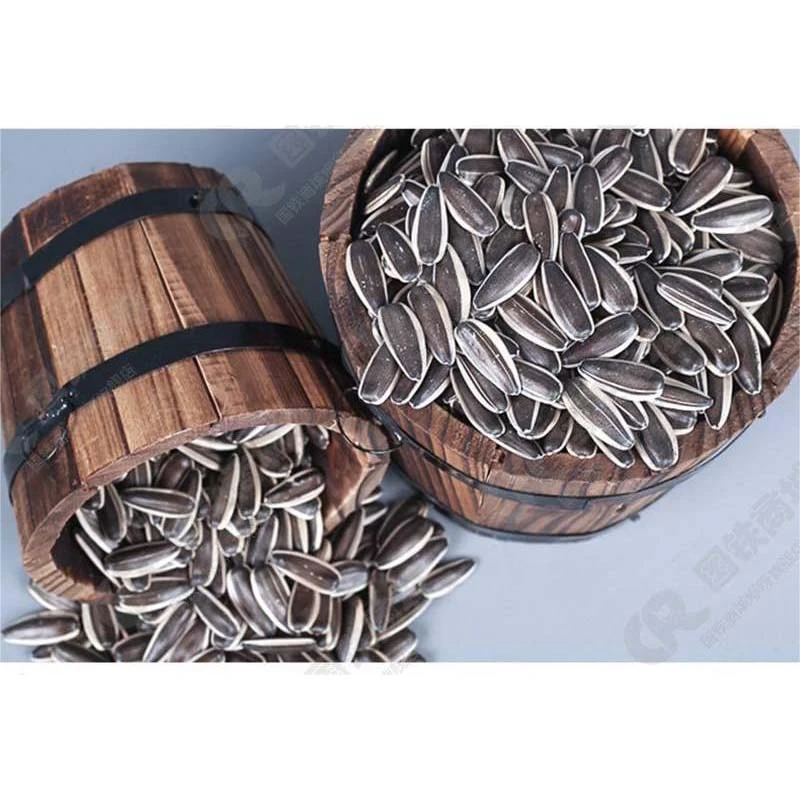
Shelled melon seeds represent a significant processed agricultural product, positioned within the broader snack food and ingredient supply chains. Primarily derived from Cucumis melo varieties, these seeds undergo a multi-stage process – harvesting, drying, shelling, grading, and often, flavoring – to reach a commercially viable form. The quality of shelled melon seeds is defined by a complex interplay of factors, including kernel size, moisture content, oil content, absence of defects (broken kernels, insect damage), and overall sensory attributes (taste, texture, aroma). This guide provides a comprehensive technical overview of shelled melon seed production, material characteristics, performance parameters, potential failure modes, and relevant industry standards. The growing demand for healthy snacking options and the increasing interest in plant-based protein sources are driving innovation and stricter quality control within the shelled melon seed industry. Key pain points include maintaining consistent seed size and oil content across batches, preventing rancidity during storage, and ensuring compliance with food safety regulations.
Material Science & Manufacturing
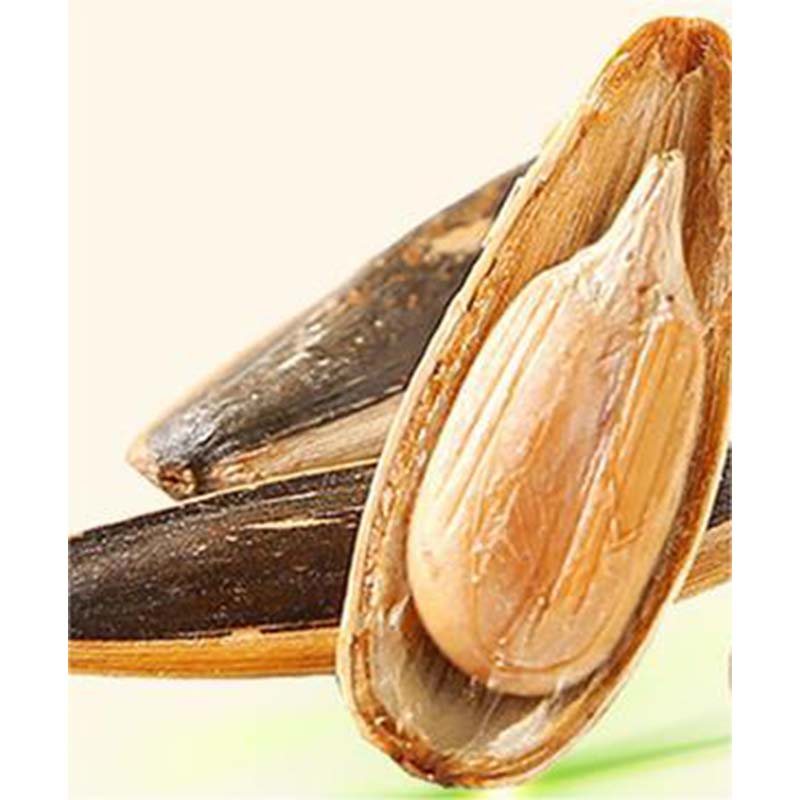
The raw material, melon seeds, consists primarily of lipids (30-50% by weight, largely unsaturated fatty acids like linoleic acid), proteins (20-30%), carbohydrates (10-20%), and moisture (typically 8-12%). The seed hull, or pericarp, is composed of cellulose, hemicellulose, and lignin, providing a protective layer. Manufacturing begins with harvesting mature melons, followed by seed extraction. Seeds are then dried to reduce moisture content to approximately 8-10%, inhibiting enzymatic activity and preventing mold growth. This drying process is critical; forced-air drying at temperatures not exceeding 50°C is preferred to minimize lipid oxidation. Shelling is performed mechanically, utilizing impact and friction methods. Kernel damage during shelling is a major concern, requiring careful calibration of machinery and regular maintenance. Subsequent grading separates seeds by size and quality, removing broken or discolored kernels. Flavoring, often involving salt, spices, or coatings, is applied using rotating drum systems or spray drying techniques. Parameter control during each stage is paramount. Moisture content is monitored using infrared sensors; oil content is determined via Soxhlet extraction; and kernel integrity is assessed through visual inspection and image analysis. Seed variety significantly influences oil composition, kernel size, and flavor profile, necessitating careful sourcing and variety selection.
Performance & Engineering
The performance of shelled melon seeds is dictated by several key engineering properties. Tensile strength, while not directly measured in the kernel itself, impacts the handling and packaging processes. A higher proportion of intact kernels reduces breakage during transportation and storage. Moisture content plays a crucial role in shelf life and susceptibility to microbial growth. Water activity (Aw), a measure of unbound water, must be controlled below 0.6 to prevent spoilage. Lipid stability is paramount; oxidation of unsaturated fatty acids leads to rancidity, affecting flavor and nutritional value. Antioxidants (such as Vitamin E) are often added during flavoring to mitigate oxidation. Packaging material selection is critical for maintaining product quality. Barrier properties – specifically oxygen transmission rate (OTR) and water vapor transmission rate (WVTR) – must be adequate to prevent oxidation and moisture uptake. Compliance requirements, dictated by food safety regulations (see section 7), necessitate stringent hygiene protocols throughout the manufacturing process. Force analysis during shelling operations aims to optimize impact parameters to minimize kernel damage. Finite element analysis (FEA) can be employed to model stress distributions within the kernel during impact, guiding machinery adjustments.
Technical Specifications
| Parameter | Unit | Typical Value (Grade A) | Acceptable Range |
|---|---|---|---|
| Moisture Content | % | 8.5 | 6.0 – 10.0 |
| Oil Content | % | 42 | 38 – 48 |
| Kernel Size (Average Length) | mm | 8.0 | 6.0 – 10.0 |
| Broken Kernel Rate | % | 2.0 | ≤ 5.0 |
| Foreign Matter | % | 0.1 | ≤ 0.5 |
| Peroxide Value (Indicates Oxidation) | meq O2/kg | 3.0 | ≤ 5.0 |
Failure Mode & Maintenance
Shelled melon seeds are susceptible to several failure modes. Rancidity, caused by lipid oxidation, is a common issue, resulting in off-flavors and reduced nutritional value. This is accelerated by exposure to oxygen, light, and heat. Kernel cracking during handling and packaging is another frequent occurrence, reducing product appeal and potentially leading to dust formation. Insect infestation is a significant concern, particularly during storage. Moisture absorption can lead to microbial growth (mold, yeast), rendering the product unsafe for consumption. Delamination, or the separation of the kernel from its remaining seed coat fragments, affects texture and visual quality. Preventative maintenance on shelling and grading equipment is crucial to minimize kernel damage. Regular cleaning and lubrication reduce friction and wear. Temperature and humidity control in storage facilities are essential for preventing rancidity and microbial growth. Packaging materials with high barrier properties are vital for protecting against oxygen and moisture. Implementing a robust pest control program is critical for preventing insect infestation. Periodic quality control testing (oil peroxide value, moisture content, microbial analysis) is essential for identifying and addressing potential issues before they escalate.
Industry FAQ
Q: What is the optimal storage temperature for maximizing the shelf life of shelled melon seeds?
A: The optimal storage temperature is between 15°C and 20°C. Lower temperatures significantly slow down lipid oxidation and microbial growth, extending shelf life. Avoid exposure to direct sunlight and maintain consistent temperature control.
Q: How does the shelling process impact the oil quality of the seeds?
A: The shelling process can generate heat and mechanical stress, both of which can accelerate lipid oxidation. Careful calibration of shelling machinery to minimize impact force and the use of temperature-controlled shelling environments are essential for preserving oil quality.
Q: What types of packaging materials are most effective for preventing rancidity?
A: Packaging materials with low OTR and WVTR are crucial. Multi-layer films incorporating aluminum foil or metallized polyester are highly effective. Vacuum packaging or modified atmosphere packaging (MAP) with nitrogen flushing can further reduce oxygen exposure.
Q: What are the key indicators of seed quality that a procurement manager should prioritize?
A: A procurement manager should prioritize moisture content (≤10%), oil content (38-48%), broken kernel rate (≤5%), peroxide value (≤5 meq O2/kg), and the absence of visible mold or insect damage. Regular supplier audits are also essential.
Q: Are there specific regulations regarding aflatoxin levels in shelled melon seeds?
A: Yes, many countries have strict regulations regarding aflatoxin levels. Aflatoxins are mycotoxins produced by certain molds that can contaminate seeds. Compliance with regulations set by organizations such as the FDA (USA) and EFSA (Europe) is essential. Regular testing for aflatoxins is required.
Conclusion
The production of high-quality shelled melon seeds demands rigorous control across the entire supply chain, from seed sourcing and harvesting to processing, packaging, and storage. Maintaining optimal moisture content, minimizing kernel damage, and protecting against lipid oxidation are critical factors influencing product quality and shelf life. Understanding the material science principles governing seed structure and lipid stability, combined with careful engineering of manufacturing processes, is essential for consistently delivering a superior product.
Future advancements in shelled melon seed technology will likely focus on improved shelling techniques to minimize kernel damage, the development of novel antioxidant coatings to enhance lipid stability, and the implementation of advanced packaging solutions with enhanced barrier properties. Continued adherence to stringent food safety regulations and a commitment to quality control will be paramount for ensuring consumer confidence and sustaining growth within this dynamic industry.
