Introduction
High quality selected sunflower seeds represent a critical input for the edible oil, confectionery, and increasingly, the biofuel industries. Positioned at the beginning of the value chain, seed quality directly dictates processing efficiency, oil yield, and the final product attributes. This technical guide provides an in-depth analysis of sunflower seed characteristics, from genetic selection and agricultural practices to post-harvest handling, storage, and quality control. Core performance indicators include oil content, protein content, fatty acid profile, moisture content, and germination rate, all of which are crucial for optimizing downstream processes and meeting stringent industry standards. The increasing demand for high-oleic sunflower oil, driven by health and food science trends, necessitates a thorough understanding of the factors influencing fatty acid composition. This guide addresses common industry pain points such as inconsistent seed quality, mycotoxin contamination, and limitations in storage longevity.
Material Science & Manufacturing
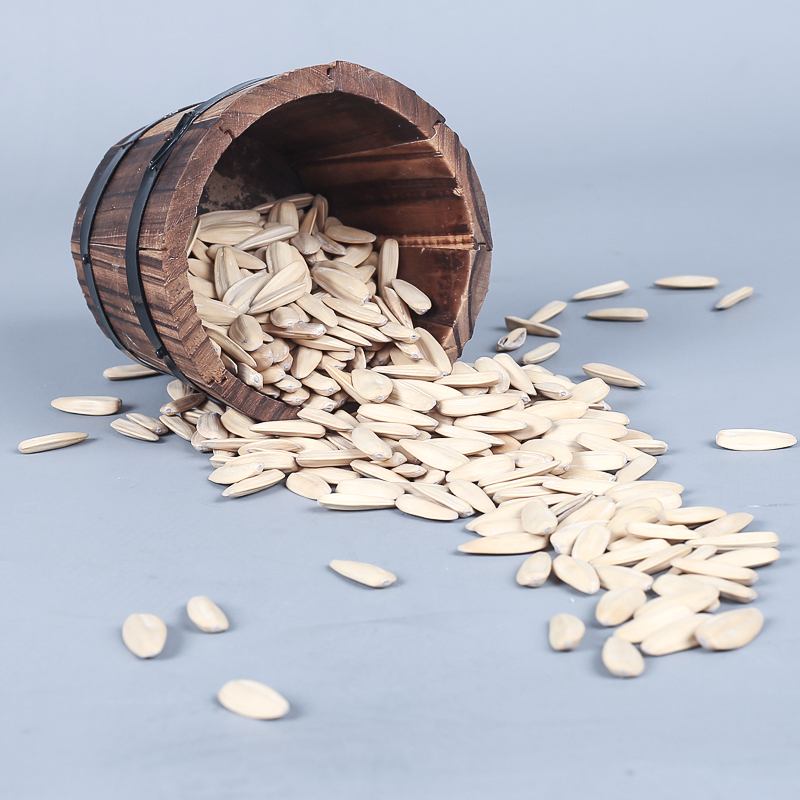
Sunflower seed composition is fundamentally governed by the genetic makeup of the plant, specifically the Helianthus annuus species. Raw material characteristics center around the endosperm, hull (or husk), and embryo. The endosperm, constituting approximately 65-75% of the seed mass, is the primary source of oil, composed primarily of triglycerides. Oil content typically ranges from 42-58% on a dry weight basis, varying significantly by cultivar. The hull, roughly 25-35% of the seed weight, provides physical protection and is a source of dietary fiber but also presents a processing challenge in de-hulling operations. The embryo, comprising the remaining 5-10%, contains proteins, carbohydrates, and lipids critical for germination. Manufacturing begins with field cultivation, focusing on optimized planting densities, irrigation, and fertilization to maximize seed fill and oil accumulation. Seed maturation is assessed by monitoring hull color change and moisture content reduction. Post-harvest drying is a critical step, typically utilizing controlled-temperature air dryers to reduce moisture content to 8-10% to inhibit mold growth and preserve oil quality. De-hulling utilizes mechanical abrasion or impact techniques, with careful parameter control (impact velocity, abrasion surface) to minimize seed damage and maintain oil integrity. Seed grading and cleaning processes, employing sieves and aspiration, remove foreign materials and broken seeds to ensure consistent quality.
Performance & Engineering
Sunflower seed performance is evaluated through several key engineering analyses. Force analysis during de-hulling focuses on minimizing fracture and preserving kernel integrity. The compressive strength of the hull and the shear strength of the kernel interface are critical parameters. Environmental resistance, particularly to temperature and humidity fluctuations, impacts seed viability and oil quality during storage. Moisture content is a primary driver of degradation, with increased moisture levels accelerating lipid oxidation and microbial growth. Packaging engineering plays a crucial role, with oxygen barrier properties of packaging materials dictating oil oxidation rates. Compliance requirements vary by region, with regulations governing mycotoxin levels (aflatoxins, ochratoxins) and pesticide residues. Functional implementation involves optimized seed preparation for oil extraction (crushing, flaking, cooking) and confectionery applications (roasting, salting). Germination rate, a critical parameter for seed propagation, is influenced by seed vigor, dormancy, and environmental factors such as temperature and moisture. Finite element analysis (FEA) is used to optimize seed processing equipment, reducing damage and increasing efficiency.
Technical Specifications
| Parameter | Unit | Typical Value (High Quality Seed) | Industry Standard (EU) |
|---|---|---|---|
| Oil Content (Dry Basis) | % | 48-54 | ≥ 40 |
| Protein Content (Dry Basis) | % | 20-26 | 18-28 |
| Oleic Acid Content | % of Total Fatty Acids | 60-85 (High Oleic) | ≥ 65 (High Oleic) |
| Linoleic Acid Content | % of Total Fatty Acids | 10-30 (High Oleic) | ≤ 60 |
| Moisture Content | % | 8-10 | ≤ 9 |
| Germination Rate | % | ≥ 85 | ≥ 80 |
Failure Mode & Maintenance
Sunflower seed failure modes encompass physical damage during harvesting and processing, biological degradation during storage, and compositional changes impacting oil quality. Fatigue cracking can occur in the hull during de-hulling, leading to kernel breakage and increased fines. Delamination of the embryo can reduce germination rate. Degradation of lipids through oxidation, catalyzed by heat, light, and metal ions, results in rancidity and decreased oil quality. Mycotoxin contamination, particularly by Aspergillus species, is a significant concern, especially in humid environments. Oxidation of unsaturated fatty acids leads to the formation of peroxides and aldehydes, impacting flavor and nutritional value. Maintenance strategies focus on proper storage conditions (low temperature, low humidity, dark environment), regular monitoring of moisture content and mycotoxin levels, and implementation of effective pest control measures. Packaging with oxygen barrier properties (e.g., metallized films) is crucial for preventing lipid oxidation. Preventative maintenance of processing equipment (cleaners, de-hullers, dryers) is essential to minimize seed damage and maintain optimal performance. Seed treatments with fungicides can reduce fungal growth during storage.
Industry FAQ
Q: What is the primary factor influencing the shelf life of sunflower seeds?
A: The primary factor influencing shelf life is moisture content. Maintaining a moisture content of 8-10% is critical for inhibiting mold growth and lipid oxidation. Proper storage in a cool, dry, and dark environment further extends shelf life. Packaging with low oxygen permeability also plays a significant role.
Q: How does the fatty acid profile impact the suitability of sunflower seeds for different applications?
A: High-oleic sunflower seeds (≥65% oleic acid) are preferred for confectionery and frying applications due to their improved oxidative stability and longer shelf life. High-linoleic seeds are suitable for edible oil blends and margarines. The specific fatty acid profile dictates the oil’s nutritional characteristics and functional properties.
Q: What are the critical control points for preventing mycotoxin contamination?
A: Critical control points include pre-harvest monitoring for fungal diseases, minimizing mechanical damage during harvesting, rapid and thorough drying to reduce moisture content, proper storage conditions, and regular testing for mycotoxins (aflatoxins, ochratoxins). Implementing effective pest control measures is also crucial.
Q: What is the role of seed vigor in determining germination rate?
A: Seed vigor refers to the overall ability of a seed to germinate and establish a seedling under varying environmental conditions. It's influenced by factors such as seed maturity, storage conditions, and genetic potential. Higher seed vigor translates to a higher and more uniform germination rate.
Q: What de-hulling methods minimize seed damage and maximize oil yield?
A: Modern de-hulling systems utilizing controlled impact or abrasion, coupled with precise parameter optimization (impact velocity, abrasion surface), minimize seed damage. Gentle de-hulling techniques that avoid excessive force preserve kernel integrity and maximize oil yield. Regular maintenance of de-hulling equipment is also essential.
Conclusion
The quality of selected sunflower seeds is a multifaceted attribute determined by a complex interplay of genetic factors, agricultural practices, post-harvest handling, and storage conditions. Maintaining optimal oil content, favorable fatty acid profiles, and minimal levels of contaminants are paramount for meeting the demands of diverse downstream industries. Understanding the underlying material science and implementing robust engineering controls throughout the supply chain are essential for ensuring consistent seed quality and maximizing processing efficiency.
Future advancements in sunflower seed technology will likely focus on developing cultivars with enhanced resistance to fungal diseases, improved drought tolerance, and optimized fatty acid compositions tailored to specific applications. Precision agriculture techniques, coupled with advanced seed sorting and grading systems, will further enhance seed quality and reduce waste. Continued research into novel packaging materials and storage technologies will contribute to extending shelf life and preserving oil quality.
