Introduction
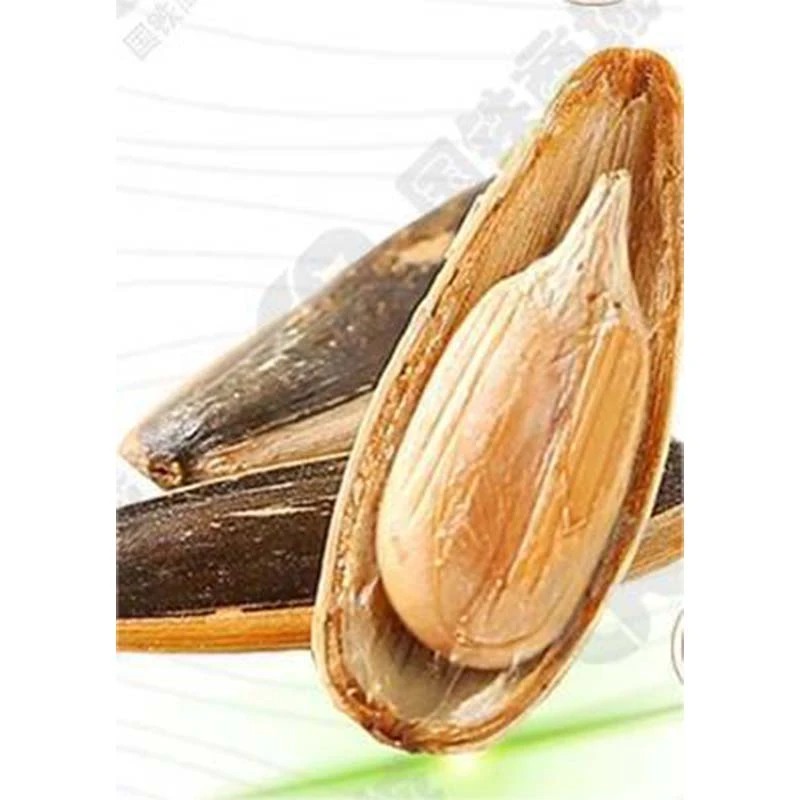
Seedless sunflower seeds, specifically those categorized as high quality, represent a significant segment of the confectionery seed market. Unlike traditional sunflower seeds containing a kernel encased in a hull, seedless varieties have been genetically engineered or selectively bred to minimize hull development, resulting in a more palatable and convenient product. Their technical position in the supply chain begins with agricultural biotechnology and breeding programs, extending through seed production, harvesting, processing (drying, dehulling – though minimal in seedless varieties, grading), and finally, packaging and distribution. Core performance characteristics include kernel size, oil content, protein content, moisture content (critical for shelf life), and freedom from defects (e.g., chipped kernels, insect damage, foreign material). The increasing demand for convenient, healthy snacks drives the market, necessitating consistently high quality standards in these seedless varieties.
Material Science & Manufacturing
The foundational material science revolves around the Helianthus annuus species, with seedless varieties selected for recessive alleles that inhibit hull formation. The kernel itself is primarily composed of lipids (40-50% by weight), proteins (20-25%), carbohydrates (15-20%), and moisture (typically 10-12%). Lipids are primarily unsaturated fatty acids, including linoleic and oleic acids, crucial for nutritional value. Protein composition includes globulins and albumins, vital for seed development. Manufacturing begins with specialized planting techniques optimized for maximizing kernel fill and minimizing hull presence. Hybrid seed selection is paramount, focusing on traits like disease resistance, yield, and seed size. Harvesting occurs when the seed moisture content reaches approximately 18-20%. Drying is a critical step, typically employing forced-air systems to reduce moisture content to 6-8% for long-term storage. Seedless varieties undergo minimal dehulling, primarily focusing on removing any residual hull fragments. Grading utilizes sieves and optical sorting to classify seeds by size and remove defects. Quality control parameter control includes monitoring temperature during drying to prevent lipid oxidation and employing controlled atmosphere storage to minimize spoilage. Chemical compatibility with packaging materials is a concern; seeds should be packaged in materials with low oxygen permeability to prevent rancidity. The presence of aflatoxins, produced by Aspergillus molds, necessitates rigorous monitoring throughout the process and adherence to maximum permissible limits.
Performance & Engineering
Performance assessment focuses on several key areas. Force analysis is relevant in packaging and handling, determining the compressive strength of the seed to prevent breakage during transportation and processing. The tensile strength of the kernel, though relatively low, influences its susceptibility to cracking. Environmental resistance is critical, particularly moisture sensitivity. High humidity promotes lipid oxidation and fungal growth, degrading product quality. Temperature fluctuations can induce condensation, exacerbating moisture-related issues. Compliance requirements are substantial, governed by food safety regulations (e.g., FDA in the US, EFSA in Europe). Aflatoxin levels must be consistently below regulatory thresholds. Heavy metal content (lead, cadmium) also requires monitoring. Functional implementation centers around providing a nutritionally dense snack food. Optimizing kernel size and minimizing hull fragments enhances the eating experience. The oil profile (oleic to linoleic acid ratio) impacts shelf life and perceived health benefits. The seed’s structural integrity contributes to its ability to withstand processing – such as seasoning or coating – without significant breakage. Package design must consider barrier properties (oxygen and moisture permeability) to maintain quality and prevent rancidity during extended storage.
Technical Specifications
| Parameter | Unit | Typical Value (High Quality) | Acceptable Range |
|---|---|---|---|
| Kernel Size (Diameter) | mm | 14-16 | 12-18 |
| Moisture Content | % | 7.0 | 6.0-8.5 |
| Oil Content | % (Dry Weight Basis) | 50-55 | 48-58 |
| Protein Content | % (Dry Weight Basis) | 22-25 | 20-27 |
| Aflatoxin B1 | ppb | <2 | <20 |
| Hull Percentage (Residual) | % | <1 | <3 |
Failure Mode & Maintenance
Failure modes in high quality seedless sunflower seeds primarily relate to degradation during storage. Lipid oxidation is a significant concern, leading to rancidity and off-flavors. This is accelerated by exposure to oxygen, light, and elevated temperatures. Fatigue cracking of the kernel can occur during handling and processing, especially if subjected to sudden impacts or compression. Delamination, although less common in seedless varieties, can occur due to improper drying or moisture fluctuations. Aflatoxin contamination represents a critical failure mode, rendering the product unsafe for consumption. Insect infestation is another potential issue, requiring preventative measures such as proper storage conditions and pest control. Maintenance (or, more accurately, preventative measures) include controlled atmosphere storage (low oxygen, low humidity), packaging in barrier materials, and regular monitoring of moisture content and aflatoxin levels. Proper sanitation practices during processing and handling are essential to prevent microbial contamination. Temperature control throughout the supply chain is paramount to minimizing lipid oxidation and maintaining product quality. First-in, first-out (FIFO) inventory management is recommended to ensure that older stock is utilized before newer stock.
Industry FAQ
Q: What is the significance of the oleic to linoleic acid ratio in sunflower seeds?
A: The oleic to linoleic acid ratio significantly impacts shelf life and perceived health benefits. Higher oleic acid content improves oxidative stability, extending shelf life and reducing rancidity. High-oleic sunflower oil is also considered heart-healthy due to its monounsaturated fat content. Seedless varieties can be specifically bred to enhance the oleic acid concentration.
Q: How are aflatoxin levels controlled during production?
A: Aflatoxin control is a multi-faceted process. It begins with selecting disease-resistant varieties. Proper harvesting and drying practices minimize fungal growth. Rigorous quality control testing throughout the process, using methods like HPLC, identifies and removes contaminated batches. Adherence to regulatory limits (established by FDA, EFSA, etc.) is paramount. Storage conditions also play a critical role – low moisture content and proper ventilation are essential.
Q: What packaging materials are most suitable for maintaining seed quality?
A: Packaging materials with low oxygen and moisture permeability are crucial. Metallized films, multi-layer laminates, and high-barrier plastics are commonly used. Vacuum packaging or modified atmosphere packaging (MAP) can further enhance shelf life by reducing oxygen levels. The material must also be food-grade and compliant with relevant regulations (e.g., FDA regulations on food contact substances).
Q: What factors contribute to breakage during handling and processing?
A: Kernel breakage is influenced by moisture content, kernel size, and handling practices. Kernels that are too dry are brittle and prone to cracking. Sudden impacts or compression during conveying, sorting, or packaging can also cause breakage. Optimizing processing parameters (e.g., conveyor speed, drop height) and using gentle handling techniques can minimize damage.
Q: How does seed size impact the final product quality and consumer acceptance?
A: Kernel size influences the eating experience. Larger kernels generally provide a more satisfying bite and a better texture. Uniform kernel size is desirable for consistent processing and packaging. Size grading is often used to remove undersized or oversized kernels, ensuring a consistent product. However, extremely large kernels can be more susceptible to breakage.
Conclusion
High quality seedless sunflower seeds represent a technologically advanced product reliant on precise agricultural practices, rigorous quality control, and an understanding of both material science and engineering principles. Maintaining optimal kernel characteristics—including oil content, moisture levels, and minimizing aflatoxin contamination—is paramount to ensuring a safe, palatable, and nutritionally valuable snack food. The continuous refinement of breeding programs and processing techniques will remain crucial in meeting evolving consumer demands.
Future advancements will likely focus on enhancing genetic resistance to fungal pathogens, optimizing lipid profiles for improved health benefits, and developing more sustainable packaging solutions. Improved analytical techniques for rapid aflatoxin detection and real-time monitoring of oxidation levels will further enhance quality control. A continued emphasis on preventative measures throughout the supply chain will be vital to maintaining the high standards expected in the confectionery seed market.
