Introduction
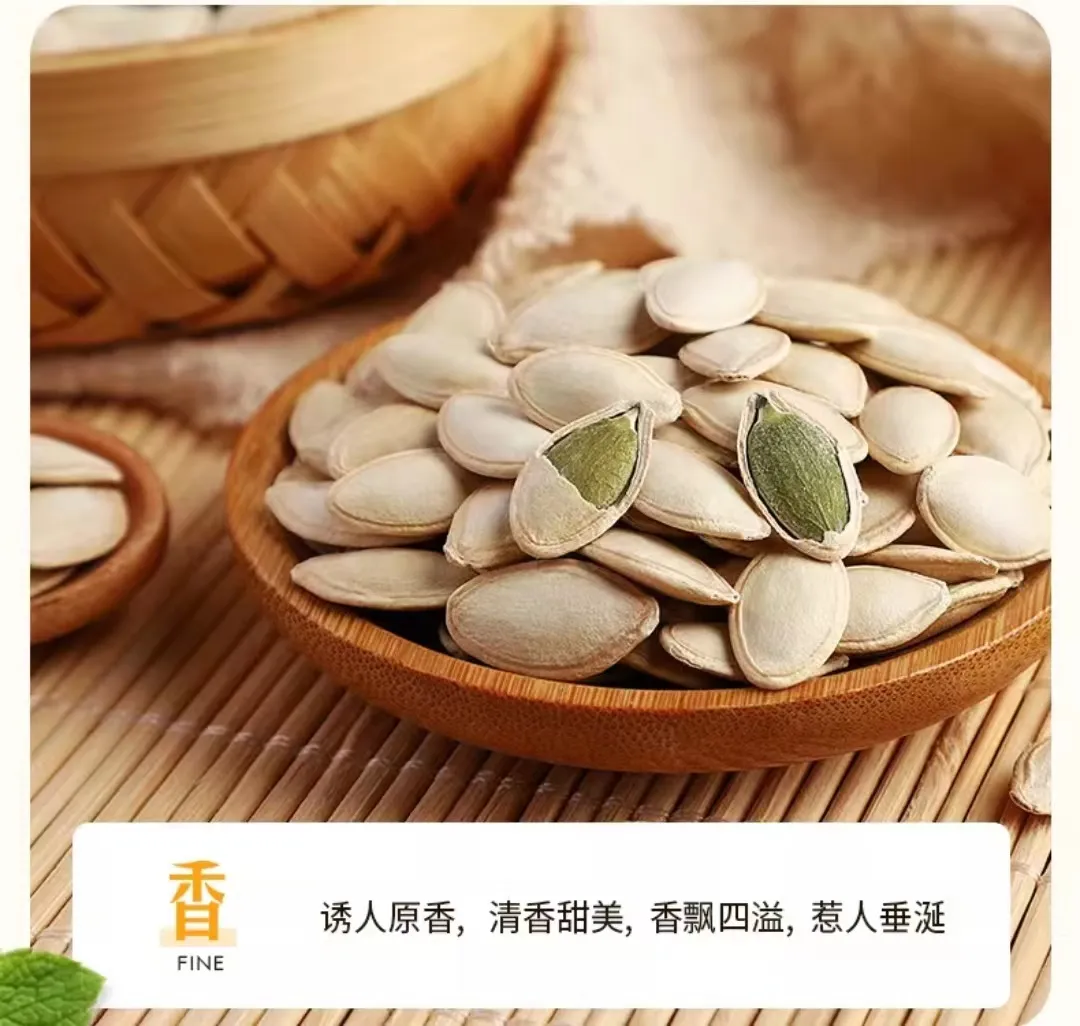
High quality seasoned sunflower seeds represent a significant segment within the snack food industry, positioned between commodity sunflower seeds and premium nut-based snacks. Their technical position within the food chain involves post-harvest processing – specifically, cleaning, dehulling, size grading, roasting, seasoning application, and packaging. Core performance characteristics center around flavor profile consistency, seed integrity (minimizing broken kernels and hulls), acceptable moisture content for shelf stability, and adherence to food safety standards. The demand for consistent quality and novel flavor combinations drives continuous innovation in seasoning technology and process control. A key industry pain point revolves around maintaining consistent flavor adhesion during distribution and storage, and mitigating rancidity development due to lipid oxidation.
Material Science & Manufacturing
The primary raw material is the sunflower seed ( Helianthus annuus). Seed quality is dictated by fatty acid composition (oleic vs. linoleic), protein content, and moisture levels at harvest. Oleic varieties are preferred due to their greater oxidative stability. The hull comprises approximately 30-40% of the seed's weight and consists primarily of cellulose and lignin. Dehulling efficiency impacts final product yield and texture. Roasting, typically performed using hot air or oil-based systems, influences flavor development via Maillard reactions and lipid oxidation. Critical parameters include temperature (140-180°C), time (15-30 minutes), and air velocity. Seasoning application commonly employs tumbling or fluidized bed techniques, using a precise ratio of dry seasoning blends. The seasoning components typically include salt (NaCl), sugar (sucrose, dextrose), spices (paprika, chili powder, garlic powder), flavor enhancers (MSG, disodium inosinate/guanylate), and anti-caking agents (silicon dioxide). Packaging materials – typically multi-layer films consisting of polypropylene (PP) and polyethylene (PE) – provide a moisture barrier and protect against oxygen ingress. Film permeability (OTR/WVTR) directly affects shelf life. Maintaining consistent seasoning adhesion requires precise control of seed surface moisture content prior to seasoning application, often achieved through a brief misting process. Improper control leads to seasoning fall-off and aesthetic defects.
Performance & Engineering
Performance evaluation focuses on several key areas. First, mechanical properties: hull strength (resistance to cracking during dehulling), kernel hardness (impacts texture and mouthfeel), and seed friability (resistance to breakage during handling). Force analysis during dehulling is critical to minimize kernel damage. Second, sensory attributes: flavor intensity, seasoning adhesion, texture (crunchiness), and overall acceptability. Sensory panels are used to quantify these attributes. Third, shelf life assessment: monitoring lipid oxidation (peroxide value, p-anisidine value), moisture content changes, and seasoning adhesion over time under controlled storage conditions (temperature and humidity). Accelerated shelf-life testing (using elevated temperatures) allows for prediction of long-term stability. Compliance requirements include adherence to FDA regulations (US), EFSA regulations (Europe), and local food safety standards. Environmental resistance considers the impact of temperature fluctuations and humidity on seasoning adhesion and kernel integrity during transportation and storage. Packaging engineering is crucial; utilizing modified atmosphere packaging (MAP) with nitrogen flushing can further extend shelf life by minimizing oxygen exposure.
Technical Specifications
| Moisture Content (%) | Oil Content (%) | Seasoning Adhesion (g/100g seeds) | Peroxide Value (meq O2/kg) | Kernel Damage (%) | Hull Content (%) |
|---|---|---|---|---|---|
| 6.0 - 8.0 | 48.0 - 55.0 | 4.5 - 6.5 | < 2.0 (Initial) | < 3.0 | < 2.0 |
| 5.5 - 7.5 | 49.0 - 54.0 | 5.0 - 7.0 | < 3.0 (After 3 months) | < 2.5 | < 1.5 |
| 7.0 - 9.0 | 47.0 - 56.0 | 4.0 - 6.0 | < 4.0 (Accelerated Testing) | < 3.5 | < 2.5 |
| 6.5 - 8.5 | 48.5 - 54.5 | 5.5 - 7.5 | < 2.5 (With Antioxidant) | < 2.0 | < 1.0 |
| 8.0 - 10.0 | 46.0 - 57.0 | 3.5 - 5.5 | < 5.0 (High Linoleic) | < 4.0 | < 3.0 |
| 5.0 - 7.0 | 50.0 - 55.0 | 6.0 - 8.0 | < 1.5 (Vacuum Packaging) | < 1.5 | < 0.5 |
Failure Mode & Maintenance
Common failure modes include rancidity (oxidative degradation of lipids, leading to off-flavors), seasoning fall-off (poor adhesion due to insufficient surface moisture or improper seasoning application), kernel breakage (due to excessive force during processing or handling), and moisture uptake (leading to softening and microbial growth). Fatigue cracking can occur in the hulls during dehulling. Rancidity is mitigated through the use of antioxidant additives (e.g., BHA, BHT, tocopherols) and oxygen-barrier packaging. Seasoning adhesion is improved through optimized surface preparation and seasoning formulation. Kernel breakage is minimized by careful control of processing parameters. Moisture uptake is prevented through the use of appropriate packaging materials and storage conditions. Maintenance involves regular cleaning of processing equipment to prevent contamination, calibration of weighing and dispensing systems to ensure accurate seasoning ratios, and monitoring of storage conditions (temperature and humidity). Implementing a First-In, First-Out (FIFO) inventory management system is also essential. Preventative maintenance schedules should include inspection of dehulling machinery for worn components and replacement as needed.
Industry FAQ
Q: What is the optimal oil content for maximizing shelf life in seasoned sunflower seeds?
A: Lower oil content generally correlates with improved shelf life, as there is less substrate for oxidative rancidity. However, excessively low oil content can negatively impact flavor and texture. An oil content of 48-52% is generally considered optimal, particularly when coupled with the use of antioxidants and oxygen-barrier packaging.
Q: How does the type of salt used in seasoning (e.g., table salt vs. sea salt) affect moisture uptake and caking?
A: Table salt (NaCl) is more hygroscopic than sea salt, meaning it attracts moisture more readily. This can lead to caking and a reduction in seasoning adhesion. Sea salt, with its larger crystal size and lower moisture content, generally performs better in terms of preventing caking. Using anti-caking agents like silicon dioxide can further mitigate this issue.
Q: What are the key considerations when selecting a packaging film for seasoned sunflower seeds?
A: Oxygen Transmission Rate (OTR) and Water Vapor Transmission Rate (WVTR) are the primary considerations. The film should provide a robust barrier against both oxygen ingress (to prevent rancidity) and moisture uptake (to maintain texture and prevent caking). Multi-layer films consisting of polypropylene (PP) and polyethylene (PE) are commonly used, often with an aluminum foil layer for enhanced barrier properties.
Q: How can we minimize kernel breakage during the dehulling process?
A: Optimizing dehulling parameters is crucial. This includes adjusting the impact force, shell-kernel differential speed, and the clearance between the dehulling rollers. Using a gentle dehulling method and minimizing the number of dehulling stages can also reduce breakage. Regular inspection and maintenance of the dehulling equipment are essential.
Q: What analytical methods are used to assess the oxidative stability of seasoned sunflower seeds?
A: The most common methods include the Peroxide Value (PV), p-Anisidine Value (AV), and Total Oxidation Value (TOTOX). Gas Chromatography-Mass Spectrometry (GC-MS) can also be used to identify specific oxidation products and assess the extent of lipid degradation. Sensory evaluation, performed by trained panels, provides a complementary assessment of oxidative rancidity.
Conclusion
The production of high quality seasoned sunflower seeds is a complex process requiring meticulous control over raw material selection, processing parameters, and packaging. Achieving optimal performance—characterized by consistent flavor, extended shelf life, and minimal defects—demands a deep understanding of material science, engineering principles, and food safety regulations. Maintaining seasoning adhesion and mitigating lipid oxidation remain the primary technical challenges.
Future innovations will likely focus on developing more effective antioxidant systems, improving packaging technologies to enhance barrier properties, and implementing advanced process control systems to ensure consistent product quality. Exploration of novel seasoning formulations incorporating natural flavor enhancers and health-promoting compounds also presents significant opportunities. A holistic approach, encompassing the entire supply chain from seed sourcing to final packaging, is paramount for continued success in this competitive market.
