Introduction
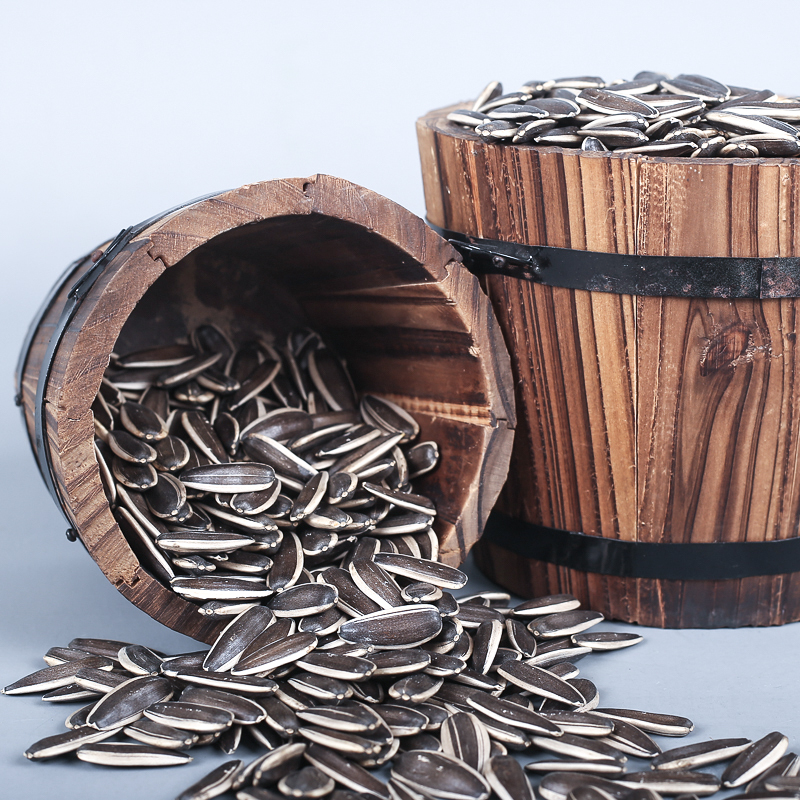
High quality salt-free sunflower seeds represent a significant segment within the broader edible seed market, positioned as a healthy snack and ingredient. Their technical position within the agricultural supply chain begins with optimized hybrid sunflower varietal selection, progresses through controlled cultivation practices, and culminates in precise processing techniques focused on minimizing defects and preserving nutritional value. Core performance characteristics, relevant to both consumer appeal and industrial applications, center on kernel size, oil content, protein concentration, and most critically, the absence of sodium chloride, appealing to health-conscious consumers and regulations concerning sodium intake. The absence of salt necessitates stringent quality control to prevent off-flavors from developing during processing and storage, a key differentiator from conventionally seasoned seeds. This guide provides a comprehensive technical overview of these seeds, spanning material science, manufacturing, performance, failure modes, and relevant industry standards.
Material Science & Manufacturing
Sunflower seeds, Helianthus annuus, comprise a complex biological matrix. The kernel, the edible portion, is predominantly composed of lipids (40-50% by weight), proteins (18-24%), carbohydrates (15-20%), and fiber (6-10%), with smaller quantities of vitamins and minerals. The lipid fraction is primarily linoleic acid (omega-6) and oleic acid (omega-9). The seed hull, or pericarp, consists of cellulose, hemicellulose, and lignin, contributing to its structural integrity. Manufacturing begins with harvesting at optimal maturity, typically indicated by a black dot appearing on the seed back. Pre-cleaning removes plant debris. De-hulling is a critical step, often employing impact and friction methods, carefully controlled to minimize kernel damage. Kernel drying, typically to 8-10% moisture content, inhibits microbial growth and enzymatic activity. Sizing and grading occur based on kernel diameter, with optical sorting employed to remove discolored or damaged seeds. The crucial aspect of salt-free processing involves rigorously cleaning equipment to eliminate residual salt from prior runs and maintaining a dedicated processing line free of sodium chloride contamination. Parameter control focuses on dehulling efficiency (maximizing kernel yield), drying temperature (preventing lipid oxidation), and optical sorting sensitivity (ensuring high purity). Seed oil content is influenced by genetics, growing conditions, and harvesting timing, requiring constant monitoring during processing.

Performance & Engineering
Performance of salt-free sunflower seeds is assessed through several key engineering considerations. Kernel hardness, measured using impact force, correlates with processing efficiency and resistance to breakage during handling. Oil stability, evaluated via Rancimat testing, determines shelf life and resistance to oxidation, critically important in the absence of salt which can act as a mild antioxidant. Moisture content must be precisely controlled; excessively high moisture promotes mold growth, while low moisture leads to brittleness and cracking. Packaging engineering plays a vital role; barrier properties against oxygen and moisture are paramount, utilizing materials like metallized polyester or multilayer polyethylene films. Force analysis during handling, packaging, and transportation identifies potential stress points leading to kernel damage. Compliance requirements include adherence to food safety standards (e.g., HACCP, GMP) and labeling regulations regarding nutritional information and allergen declarations. The absence of salt necessitates a higher focus on maintaining acceptable flavor profiles through controlled roasting or other flavoring techniques, ensuring palatability without relying on sodium. Microbial load is monitored throughout the process to prevent Salmonella or E. coli contamination.
Technical Specifications
| Parameter | Unit | Specification | Test Method |
|---|---|---|---|
| Oil Content | % (Dry Weight Basis) | 48-54 | AOAC 989.19 |
| Protein Content | % (Dry Weight Basis) | 18-26 | Kjeldahl Method (AOAC 978.05) |
| Moisture Content | % | ≤ 10 | AOAC 925.10 |
| Kernel Size (Average Diameter) | mm | 10-14 | Sieve Analysis |
| Broken Kernels | % | ≤ 5 | Visual Inspection |
| Foreign Matter | % | ≤ 0.5 | Visual Inspection |
Failure Mode & Maintenance
Failure modes in salt-free sunflower seeds predominantly relate to lipid oxidation, moisture absorption, and physical damage. Lipid oxidation, resulting in rancidity, is accelerated by exposure to oxygen, light, and elevated temperatures. The absence of salt, which offers some oxidative protection, increases susceptibility. Moisture absorption leads to microbial growth, off-flavors, and textural changes. Physical damage, such as cracking or chipping, occurs during handling, processing, or transportation. Failure analysis involves assessing peroxide value (PV) and anisidine value (AV) to quantify lipid oxidation. Microbiological testing identifies the presence of spoilage organisms or pathogens. Fracture analysis of damaged kernels reveals stress points and identifies areas for improved packaging or handling procedures. Preventative maintenance focuses on strict hygiene protocols during processing, temperature and humidity control in storage facilities, and using robust packaging materials. Regular monitoring of oil quality (PV, AV) and moisture content is essential. First-In, First-Out (FIFO) inventory management minimizes storage duration and reduces the risk of oxidation. Nitrogen flushing of packaging can reduce oxygen levels and extend shelf life.
Industry FAQ
Q: What are the key challenges in maintaining flavor stability in salt-free sunflower seeds?
A: Maintaining flavor stability is a primary challenge. The absence of salt removes a natural flavor enhancer and mild antioxidant. Lipid oxidation is accelerated, leading to rancidity. Effective solutions include using sunflower varieties with inherently stable oil profiles (high oleic acid content), implementing nitrogen flushing during packaging, storing seeds at low temperatures, and utilizing antioxidant packaging materials.
Q: How does dehulling efficiency impact the overall quality of the final product?
A: Dehulling efficiency directly impacts quality. Incomplete dehulling leaves hull fragments attached to the kernel, affecting texture and appearance. Excessive force during dehulling causes kernel damage, increasing the proportion of broken kernels and reducing overall yield. Optimization of dehulling parameters – impact force, friction speed, and separation techniques – is crucial.
Q: What are the critical control points (CCPs) in a HACCP plan for salt-free sunflower seeds?
A: Critical control points include raw material inspection (for mycotoxins and foreign matter), dehulling process control (to minimize kernel damage), drying process control (to achieve optimal moisture content), metal detection, and packaging integrity (to prevent contamination and oxidation).
Q: How does kernel size variability affect processing and product consistency?
A: Significant kernel size variability complicates processing. Smaller kernels may be lost during sieving and grading, reducing yield. Larger kernels may require adjustments to roasting or flavoring processes. Consistent sizing through varietal selection and precise grading is essential for maintaining product consistency.
Q: What packaging materials are most effective at extending shelf life for salt-free sunflower seeds?
A: Packaging materials with excellent oxygen and moisture barrier properties are crucial. Metallized polyester films, multilayer polyethylene films with EVOH (ethylene vinyl alcohol) layers, and foil laminates are commonly used. Vacuum packaging or modified atmosphere packaging (MAP) with nitrogen flushing further enhance shelf life.
Conclusion
High-quality salt-free sunflower seeds demand a sophisticated approach to production, encompassing precise control over material science, manufacturing processes, and storage conditions. The absence of salt necessitates a heightened focus on preventing lipid oxidation and maintaining acceptable flavor profiles through optimized processing and packaging techniques. Successful production relies on careful varietal selection, rigorous quality control throughout the supply chain, and adherence to stringent food safety standards.
Future developments will likely focus on advanced packaging technologies offering enhanced barrier properties and active antioxidant systems. Genetic engineering to enhance oil stability and improve kernel characteristics represents another potential avenue for improvement. Continuous monitoring of industry regulations and consumer preferences will be essential for maintaining a competitive position in the growing market for healthy snack foods.
