Introduction
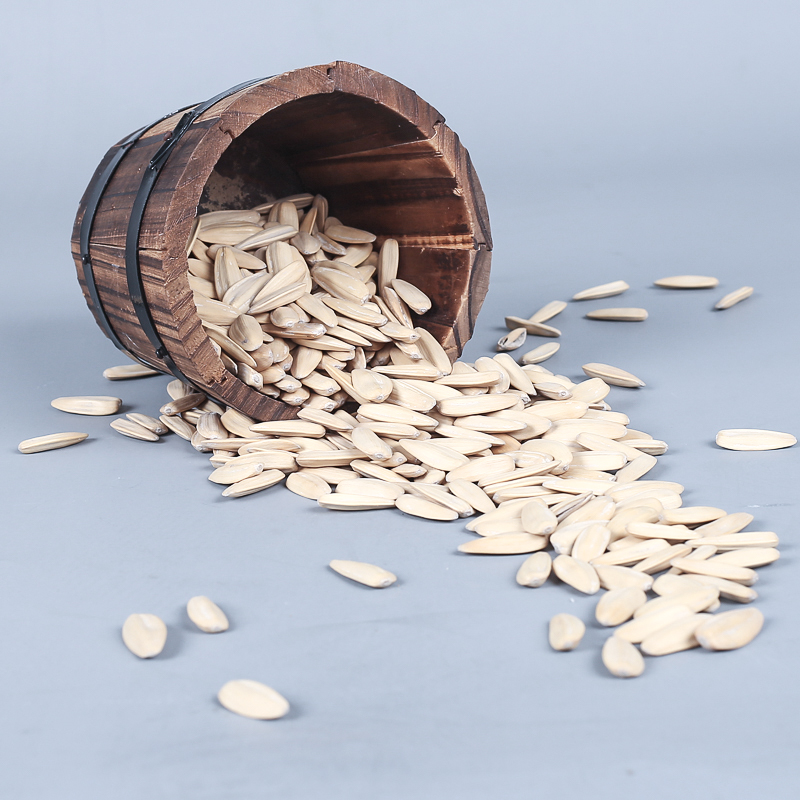
High quality rock sugar and snow pear flavored sunflower seeds represent a significant segment within the processed snack food industry. These seeds are not merely a confection; their production and quality control necessitate a complex interplay of agricultural science, food chemistry, and advanced processing techniques. Positioned downstream from sunflower seed agriculture, this product requires careful selection of seed varieties, rigorous cleaning and grading processes, and a sophisticated flavoring application system. Core performance characteristics revolve around seed integrity (minimizing broken kernels), flavor consistency, optimal moisture content for textural quality, and adherence to stringent food safety standards. The market demand is driven by consumer preference for healthier snack options with distinct flavor profiles, positioning these seeds as a competitive alternative to traditional salty snacks.
Material Science & Manufacturing
The primary raw material, sunflower seeds ( Helianthus annuus), exhibits inherent variability in oil content (38-58%), protein content (20-25%), and moisture content (8-12%). Seed quality is paramount, with larger, denser seeds generally yielding a superior finished product. The manufacturing process begins with meticulous cleaning, removing foreign materials like stems, leaves, and dirt. This is typically achieved through a combination of screening, aspiration, and destoning. The seeds then undergo grading based on size and density. Flavor application is a multi-stage process. Initially, a base coating, often comprised of modified starch and sugar, is applied to provide adhesion for subsequent flavoring compounds. Rock sugar, a refined sucrose product, contributes to the characteristic sweetness and crystalline texture. Snow pear flavoring utilizes extracts and aroma compounds derived from snow pears (Pyrus betulaea) or synthetic equivalents, carefully balanced to achieve the desired taste profile. The flavoring application is carried out in rotating drum coaters, with precise control of coating weight and uniformity. Finally, the coated seeds undergo a drying process, typically using fluidized bed dryers, to reduce moisture content to approximately 3-5%, optimizing shelf life and textural properties. Critical process parameters include coating solution viscosity, drum rotation speed, air temperature, and drying time. Inert gas packaging minimizes oxidation and preserves flavor integrity.
Performance & Engineering
The structural integrity of the seed coat is a crucial performance parameter. Force analysis during handling and transportation reveals that seed breakage is directly correlated with impact force and seed moisture content. Lower moisture content increases brittleness, while higher moisture content reduces impact resistance. Environmental resistance is primarily related to moisture uptake and oxidation. The packaging material plays a critical role in preventing moisture ingress and minimizing oxygen exposure. Barrier properties of the packaging film (OTR and WVTR) are therefore paramount. Compliance requirements are governed by food safety regulations such as HACCP (Hazard Analysis and Critical Control Points) and GMP (Good Manufacturing Practices). Shelf-life studies, conducted under accelerated aging conditions (elevated temperature and humidity), are essential to determine the product's stability and predict its expiration date. The flavor release mechanism is dictated by the solubility of the flavoring compounds in saliva. The crystalline structure of the rock sugar coating influences the rate of sugar dissolution, affecting the initial flavor perception. The coating thickness must be optimized to provide sufficient flavor intensity without causing excessive sweetness or stickiness. Seed kernel plumpness, assessed through image analysis, correlates with perceived quality and consumer acceptance.
Technical Specifications
| Parameter | Unit | Specification | Test Method |
|---|---|---|---|
| Moisture Content | % | 3.0 – 5.0 | Karl Fischer Titration (GB/T 5005-2008) |
| Broken Kernel Rate | % | ≤ 3.0 | Visual Inspection (AOAC 970.17) |
| Coating Weight | % | 8.0 – 12.0 | Gravimetric Analysis (ASTM E177) |
| Rock Sugar Content | % | 60 – 70 (of coating) | HPLC (High-Performance Liquid Chromatography) |
| Snow Pear Flavor Intensity | ppm | 50 – 100 | Gas Chromatography-Mass Spectrometry (GC-MS) |
| Peroxide Value (Oil) | meq O₂/kg | ≤ 5.0 | Potentiometric Titration (GB 51322-2018) |
Failure Mode & Maintenance
Several failure modes can affect the quality of rock sugar and snow pear flavored sunflower seeds. Hygroscopic Degradation: Moisture uptake leads to softening of the coating, clumping of seeds, and loss of crispness. This is accelerated by inadequate packaging and high humidity storage conditions. Flavor Loss: Volatile aroma compounds can dissipate over time, resulting in reduced flavor intensity. Oxygen permeation through the packaging can also contribute to flavor degradation via oxidation. Coating Delamination: Poor adhesion between the seed coat and the flavoring coating can cause the coating to flake off, diminishing the sensory experience. This can be caused by insufficient coating solution viscosity or improper drying. Lipid Oxidation: The unsaturated fatty acids in the sunflower seeds are susceptible to oxidation, leading to rancidity and off-flavors. Antioxidants are often added to mitigate this. Seed Kernel Rancidity: While the coating provides some protection, lipid oxidation can still occur within the kernel itself. Maintenance includes storage in cool, dry conditions (≤25°C, <60% RH) in airtight containers. Packaging should utilize materials with low OTR and WVTR. Regular quality control checks, including moisture content and peroxide value measurements, are essential. For large-scale storage, controlled atmosphere storage (nitrogen flushing) can further extend shelf life.
Industry FAQ
Q: What is the optimal rock sugar to snow pear flavoring ratio for maximizing consumer appeal?
A: Extensive sensory testing indicates a ratio of approximately 60-70% rock sugar (by weight of the coating) to 30-40% snow pear flavoring delivers optimal sweetness and aromatic balance. The specific proportion may vary based on regional taste preferences and target demographic.
Q: How does the sunflower seed variety affect the finished product quality?
A: Seed variety significantly impacts oil content, kernel size, and seed coat thickness. High-oleic sunflower seeds are preferred due to their enhanced oxidative stability. Larger kernel seeds tend to provide a more satisfying eating experience. A thicker seed coat offers better protection against mechanical damage during processing.
Q: What packaging materials offer the best barrier properties for preserving flavor and preventing moisture uptake?
A: Multi-layer films incorporating aluminum foil or metallized polyester offer excellent barrier properties against oxygen and moisture. High-density polyethylene (HDPE) or polypropylene (PP) provide structural support. Proper sealing techniques are also critical to maintain package integrity.
Q: What quality control tests are essential for ensuring consistent product quality?
A: Essential tests include moisture content (Karl Fischer titration), broken kernel rate (visual inspection), coating weight (gravimetric analysis), peroxide value (potentiometric titration), and flavor profile analysis (GC-MS). Regular sensory evaluations are also crucial.
Q: What are the primary causes of coating delamination and how can they be prevented?
A: Coating delamination is often caused by insufficient coating adhesion due to improper solution viscosity, inadequate drying, or a poorly prepared seed surface. Prevention strategies include optimizing coating formulation, controlling drying parameters, and ensuring thorough seed cleaning prior to coating.
Conclusion
The production of high quality rock sugar and snow pear flavored sunflower seeds demands a rigorous approach encompassing material science, precise engineering control, and adherence to stringent quality standards. The interplay between seed characteristics, flavoring application techniques, and packaging integrity directly determines product performance and shelf life. Optimizing these parameters is critical for delivering a consistently high-quality product that meets consumer expectations.
Future development in this area will likely focus on innovative coating technologies, sustainable packaging materials, and enhanced flavor delivery systems. Exploring natural antioxidants to further inhibit lipid oxidation and utilizing advanced sensor technology for real-time process monitoring are also promising avenues for improvement. Ultimately, continued advancements in these areas will ensure the sustained competitiveness of this popular snack food.
